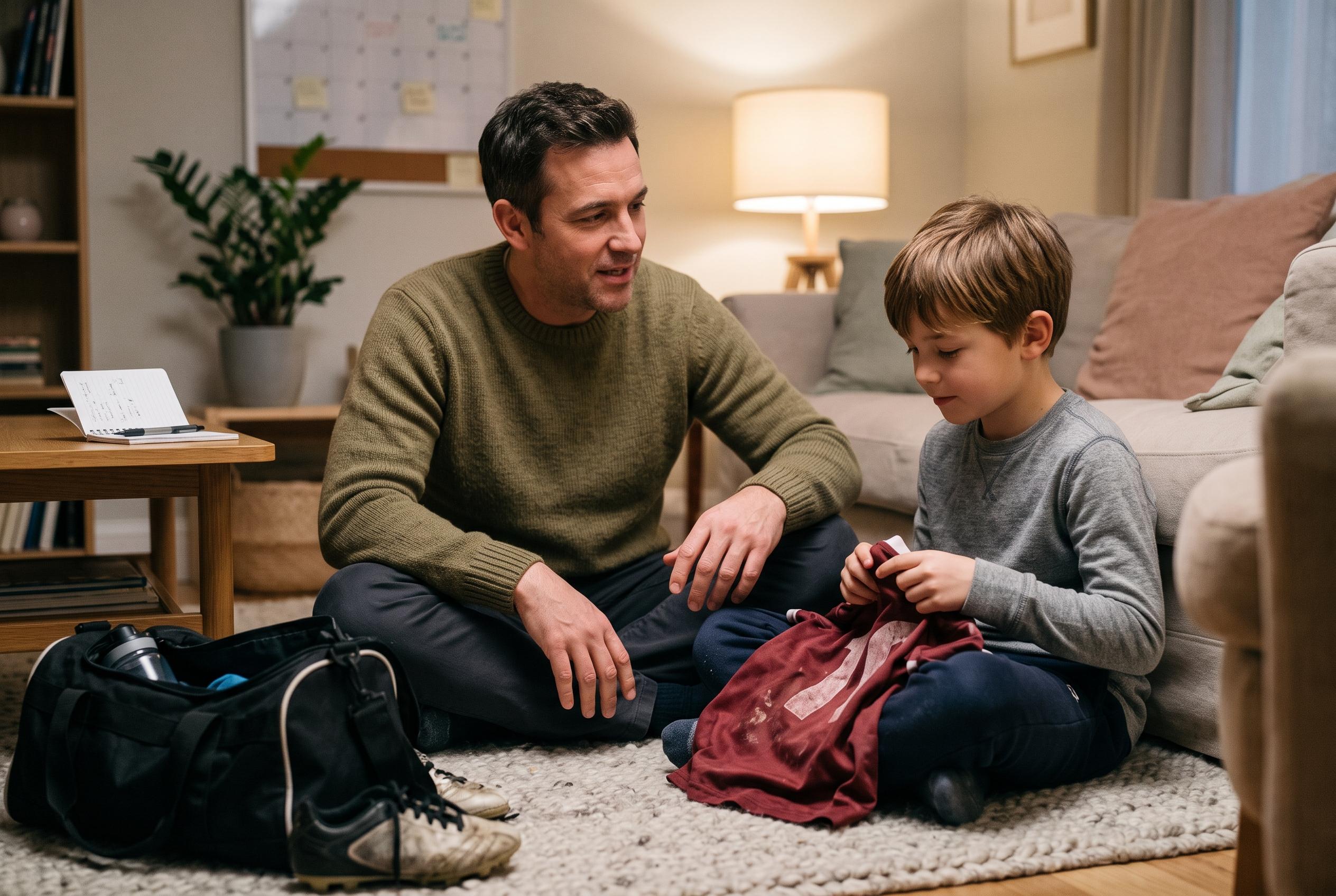

Experts recommend a calm, curious approach for parents to help children process their sports season, fostering growth and well-being instead of performance-centric reviews.
When a season ends, many parents are tempted to rush straight into a verdict: what went well, what failed, and what should change next. But coaches and child-mental-health resources suggest the most useful post-season talk is not a review meeting. It is a calm, curious conversation that helps a young athlete make sense of the experience on their own terms.
Timing matters. The day after the final match is often too soon, when feelings are still close to the surface. Waiting a few days usually gives children enough space to think, while keeping the details fresh enough to discuss meaningfully. Parents can also watch for a natural opening: if a child starts talking about the season first, that is often the right moment to listen and ask more.
How the conversation begins can shape everything that follows. A child is more likely to engage if the tone feels shared rather than judgmental. Simple questions such as what they will remember most, when they felt most like themselves, or what surprised them during the season tend to invite reflection without making the child feel examined. According to guidance from the Kids Mental Health Foundation, open-ended questions and regular check-ins can help young athletes process sport-related emotions and build trust.
The best conversations usually start with experience, then move towards growth. Parents can ask what their child feels they improved, what they learned, or what they would do differently next time. Sports psychology advice often warns against turning these questions into an interrogation. The aim is to understand how the season felt from the child’s point of view, not to deliver a performance audit.
Parents also need to be ready for answers they were not expecting. A child may say they do not want to continue, or that they felt anxious, burnt out or unhappy. SportsSteps advises parents to resist the urge to argue or immediately solve the problem, and instead ask the child to explain more. If the child seems to be describing something heavier than ordinary disappointment, it should be treated as a wellbeing issue, not just a sporting one.
Just as important is how parents respond when the child is proud. It can be tempting to shift quickly to the next target or the next flaw to fix, but that can undercut the moment. Experts who work with young athletes say recognising effort, progress and resilience helps children feel seen. That kind of response can matter more than any tactical analysis, because it teaches a child that growth is worth noticing.
The conversation should end with reflection, not pressure. A brief summary of what the child said can show that it was heard and understood, while leaving space for future discussion. The goal is not to leave with a detailed action plan. It is to finish with a child who feels supported, and a parent who better understands how that season really felt.
Disclaimer: This content is for informational purposes only and is not intended to be a substitute for professional medical judgment, advice, diagnosis, or treatment.