

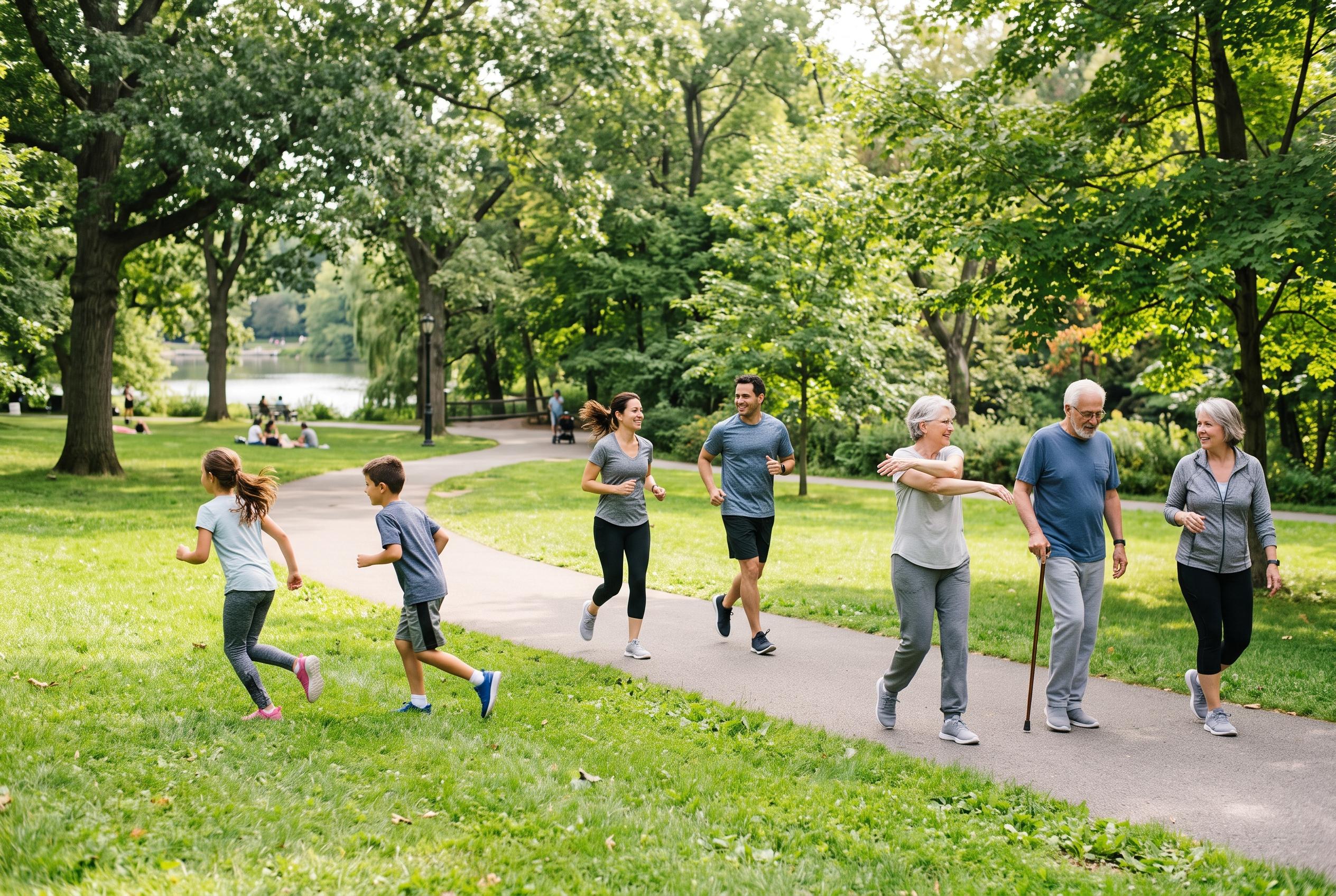

WHO guidance sets different activity targets for children, adults and older people, while stressing that any movement is better than none.
The World Health Organization says exercise needs change across the lifespan, with children, adults and older people each benefiting from different amounts and types of movement. The guidance, which was summarised by Thanh Nien from a report by the Hindustan Times and backed by WHO materials, stresses that even modest activity is better than none and that regular movement supports not only fitness but also sleep, mood and long-term health.
For children and teenagers aged five to 17, WHO recommends at least 60 minutes a day of moderate to vigorous physical activity. That should include exercises that build muscle and strengthen bones on at least three days each week. The organisation says this is a crucial period for healthy development, when activities such as running games, skipping rope, swimming, cycling and football can help children build stronger bones and improve concentration, sleep and emotional wellbeing.
Adults aged 18 to 64 are advised to get at least 150 to 300 minutes of moderate-intensity activity each week, or 75 to 150 minutes of vigorous exercise, or a mix of the two. WHO also recommends muscle-strengthening work on two or more days a week, covering the major muscle groups. The guidance allows people with busy schedules to break activity into shorter sessions, such as brisk walking after lunch or climbing stairs during the day, rather than doing all their exercise in one block.
For people aged 65 and over, the emphasis shifts towards preserving strength, balance and independence. WHO recommends at least 150 minutes of moderate activity a week, along with strength training on two or more days and balance work on three or more days. According to the organisation’s guidance, practices such as tai chi, yoga under supervision or standing on one leg can help reduce the risk of falls, while older adults with chronic conditions are advised to choose activity levels that match their health and fitness. The underlying message remains the same across all age groups: movement is valuable at every stage of life, and some activity is always better than none.
Disclaimer: This content is for informational purposes only and is not intended to be a substitute for professional medical judgment, advice, diagnosis, or treatment.



