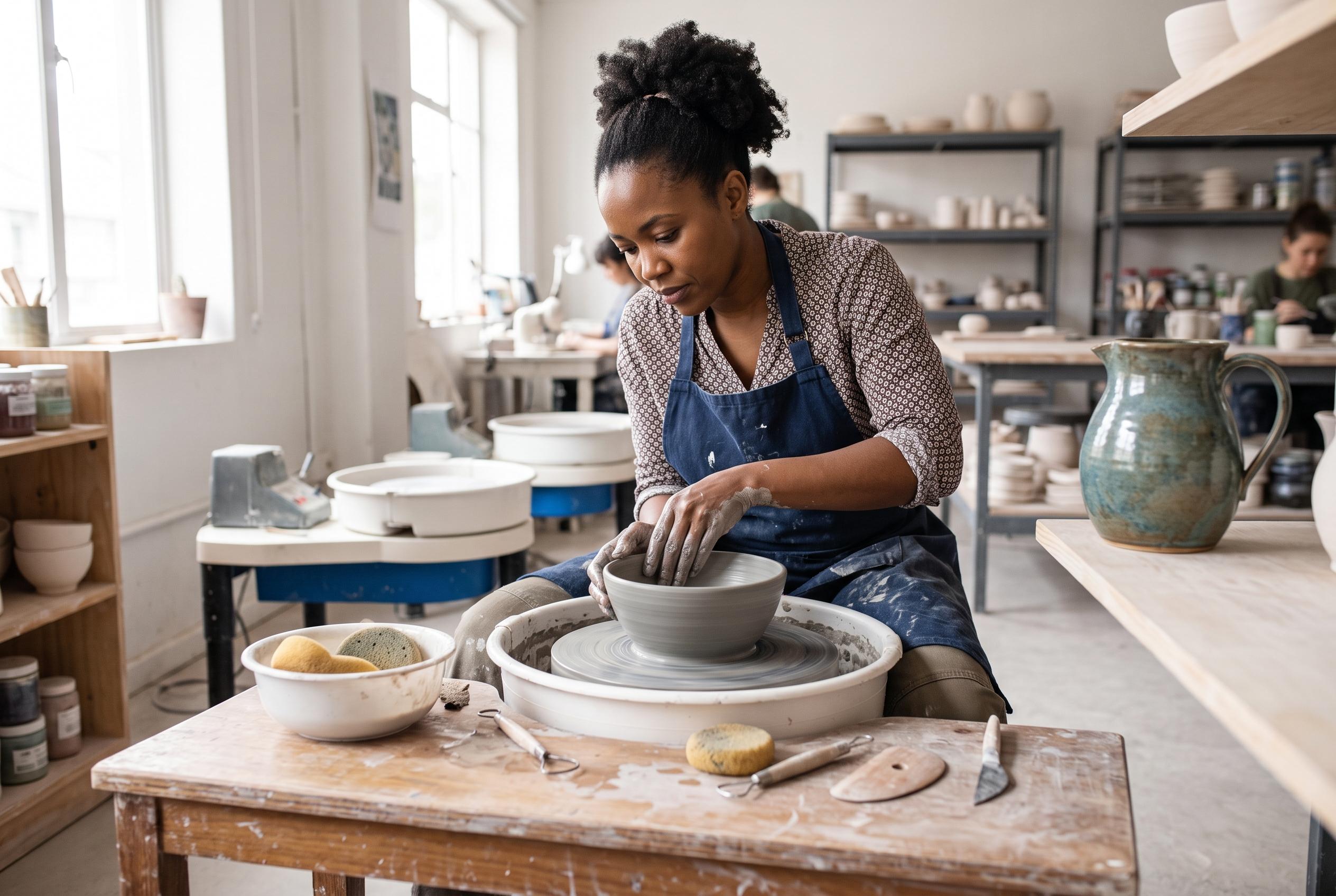

Exploring hobbies like pottery, improv, and language learning reveals how they not only provide leisure but also enhance cognitive skills, emotional resilience, and problem-solving abilities.
Many people treat hobbies as downtime, but the right ones can also sharpen how they think, communicate and solve problems. Activities that blend creativity, discipline and reflection tend to do more than fill an evening: they can build patience, confidence and mental flexibility.
Pottery is one example. Working with clay demands steady hands, concentration and persistence, and several lifestyle and craft sources say it can also promote mindfulness, improve fine motor control and offer a calming break from screens. The physical act of shaping something from scratch can give people a sense of focus and achievement that carries beyond the studio.
Improv comedy and other performance-based hobbies can be just as useful. Psychology Today has reported research-backed links between improvisation and creativity, confidence and lower stress, suggesting that quick thinking on stage can translate into easier conversation off it. Writing reviews of books, films or products can have a similarly useful effect by forcing people to organise their thoughts, weigh evidence and explain opinions clearly.
Other strong options include learning a new language, exploring unfamiliar subjects, keeping an audio journal and playing strategy games such as chess or puzzles. Each draws on a different part of the brain: memory, curiosity, self-expression or planning. In combination, they can help a person become more articulate, more adaptable and better at making decisions under pressure.
Disclaimer: This content is for informational purposes only and is not intended to be a substitute for professional medical judgment, advice, diagnosis, or treatment.