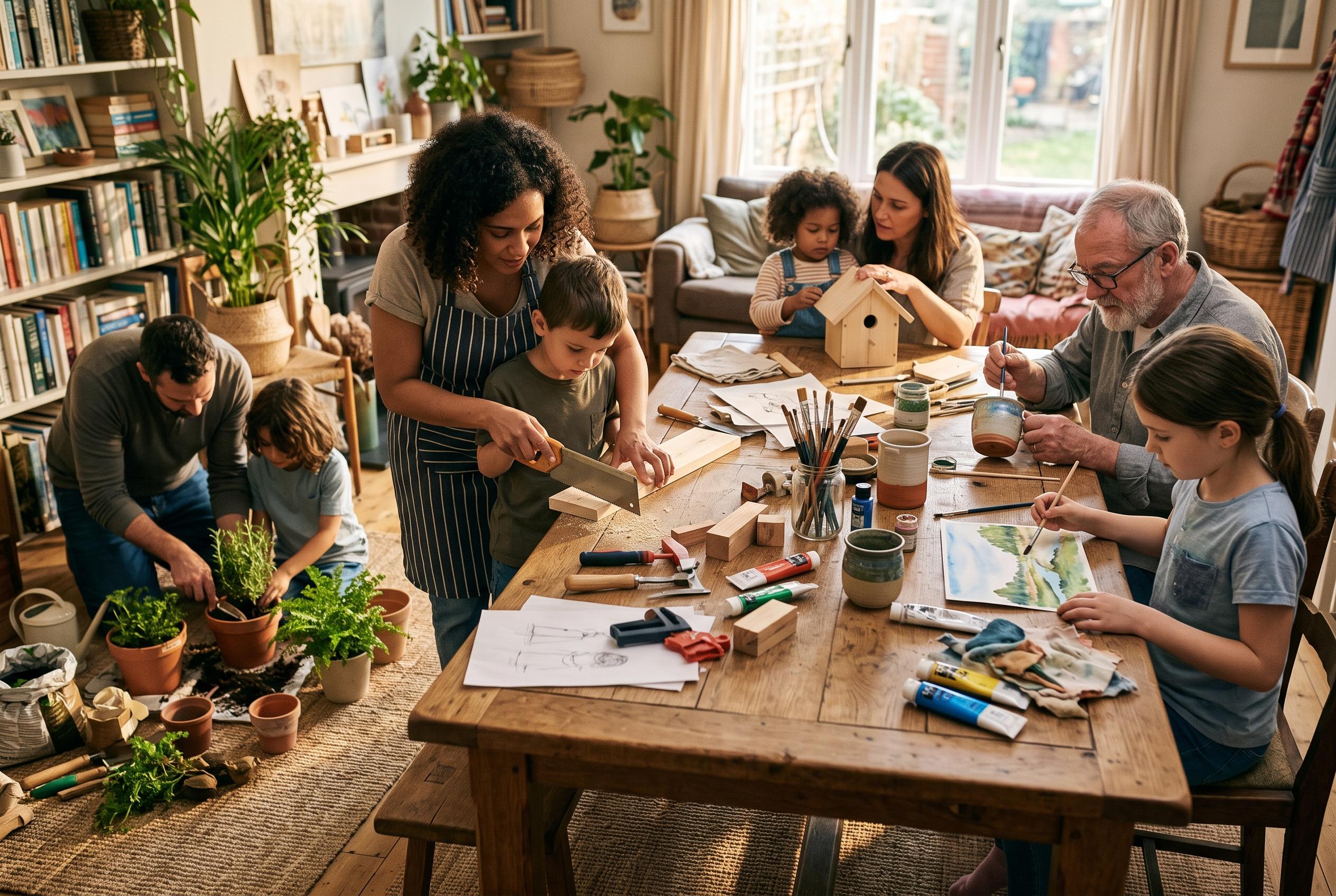

A rising trend known as hobby-maxxing is transforming leisure into a dynamic, community-driven pursuit that boosts well-being and challenges traditional notions of productivity, with social media amplifying its reach.
The latest version of hobby culture is less about commitment and more about curiosity. What used to be treated as a fixed personal label is now increasingly seen as something people can sample, switch and stack, with social media giving the trend a name: hobby-maxxing. In practice, that means filling free time with hands-on pursuits such as pottery, baking, knitting, gardening or board games, rather than letting spare hours disappear into passive scrolling. Healthline says the appeal goes well beyond aesthetics, with hobbies linked to better mood, lower stress and stronger life satisfaction.
That shift has obvious cultural roots. As Vice has noted in its coverage of “whimsy-maxxing”, many people are trying to bring more pleasure, colour and play into ordinary routines, while treating small joys as worthy of attention in their own right. The broader movement reflects a rejection of constant productivity as the main measure of a good life. Instead of seeing leisure as wasted time, younger adults are increasingly framing it as a necessary part of emotional balance and identity.
There is also a solid evidence base behind the trend. UCLA Health says hobbies can support mental well-being, improve physical health and strengthen social ties, while Healthline cites research connecting hobbies with reduced depressive symptoms, healthier ageing and even lower levels of stress-related health risks. The gains are not limited to older adults, even if much of the research has traditionally focused on that group. The Miami Herald reported that the current hobby-maxxing boom is drawing in people who want real-world connection after years of digital fatigue.
The social element may be the part that makes the biggest difference. Psychology Today argues that the benefits of hobbies appear to grow when people share them, whether through clubs, classes or simply talking about them with others. That may explain why the trend has gained traction so quickly: it offers not just a pastime, but a community and a ready-made antidote to isolation. In a culture that often rewards overwork and treats leisure as an afterthought, hobby-maxxing is becoming a quietly persuasive argument for making pleasure a regular part of life.
Disclaimer: This content is for informational purposes only and is not intended to be a substitute for professional medical judgment, advice, diagnosis, or treatment.