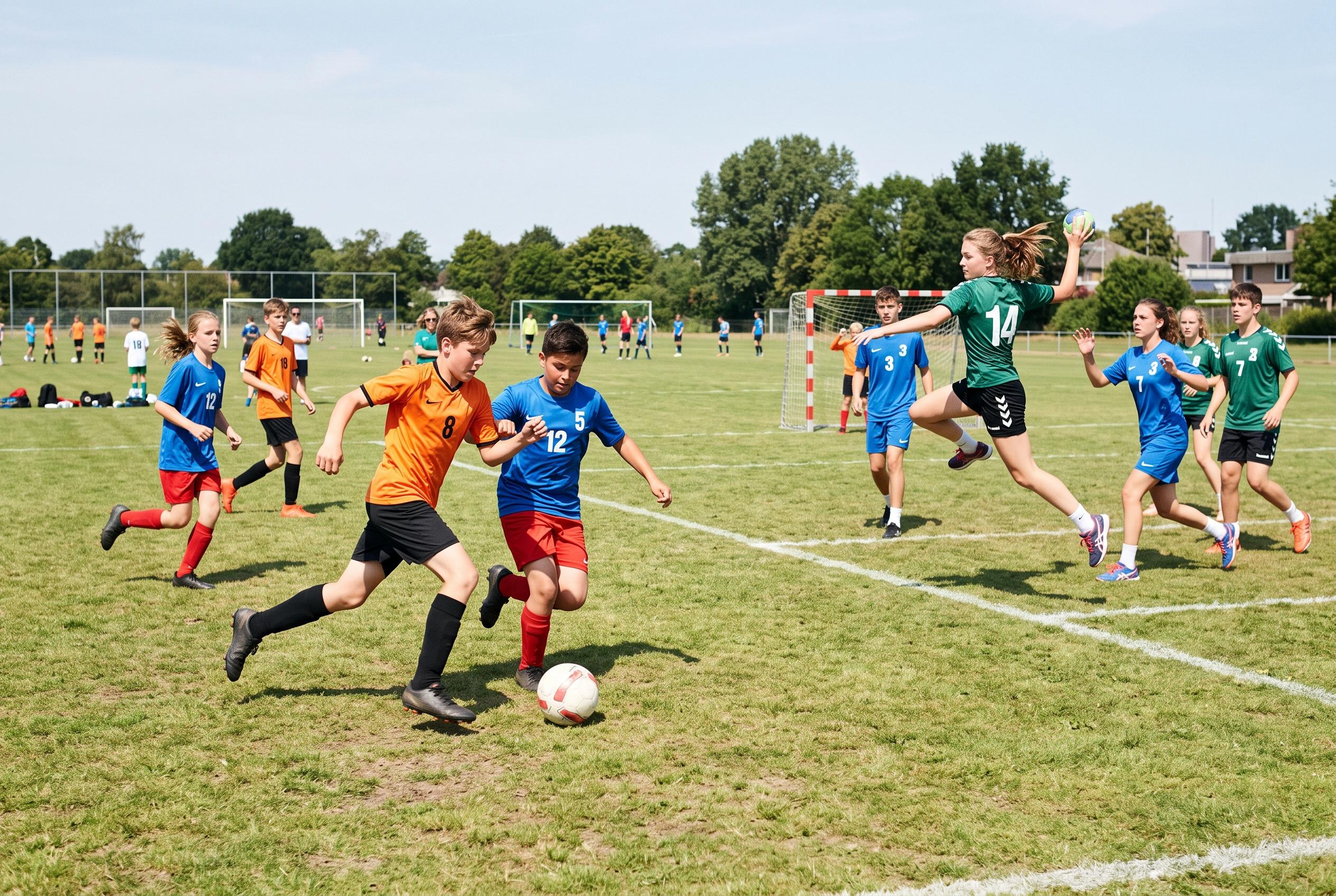

A study from Semmelweis University finds that explosive and impact-heavy sports such as football and handball trigger stronger bone formation signals compared to walking or resistance training, highlighting the importance of exercise load patterns for bone health.
A study from Semmelweis University suggests that the way exercise loads the skeleton may matter more than the total amount of time spent moving. Published in Sports Medicine – Open, the analysis found that activities with explosive effort, quick changes of direction and turning were the strongest triggers of bone-building signals in the body, with recreational football and handball standing out in particular.
The researchers pooled 24 clinical studies involving 1,238 healthy adults and looked at blood biomarkers linked to bone turnover rather than waiting for slower changes in bone mineral density. That approach can show whether the body is responding to exercise within weeks. According to the university team, higher-intensity sports were associated with rises of as much as 45% to 46% in markers tied to bone formation, while walking, step aerobics and standard gym-based resistance work tended to have weaker effects.
Péter Ferdinandy, vice-rector for science and innovations at Semmelweis University and senior author of the study, said the analysis was designed to compare not just exercise type but also intensity, frequency and duration. Viktória Barna, the study’s first author, said it was notable that resistance training did not produce a significant effect on bone metabolism markers in the review, despite its inclusion in many bone-health guidelines. Nóra Sydó, a clinical specialist and co-author, said low-intensity exercise remains valuable for overall health but may not provide enough mechanical stress to drive bone adaptation on its own.
The findings fit with some earlier research showing that high-intensity, low-impact exercise can quickly raise bone-formation markers, while other studies have stressed the importance of impact, strain and individual factors such as vitamin D status. At the same time, not all evidence points in the same direction: a recent mouse study found moderate-intensity aerobic exercise improved bone mass and strength more than high-intensity work. Taken together, the research suggests that bone health may depend on the right balance of intensity, loading pattern and safety, especially for people with osteoporosis or other medical conditions who should seek medical advice before starting harder training.
Disclaimer: This content is for informational purposes only and is not intended to be a substitute for professional medical judgment, advice, diagnosis, or treatment.