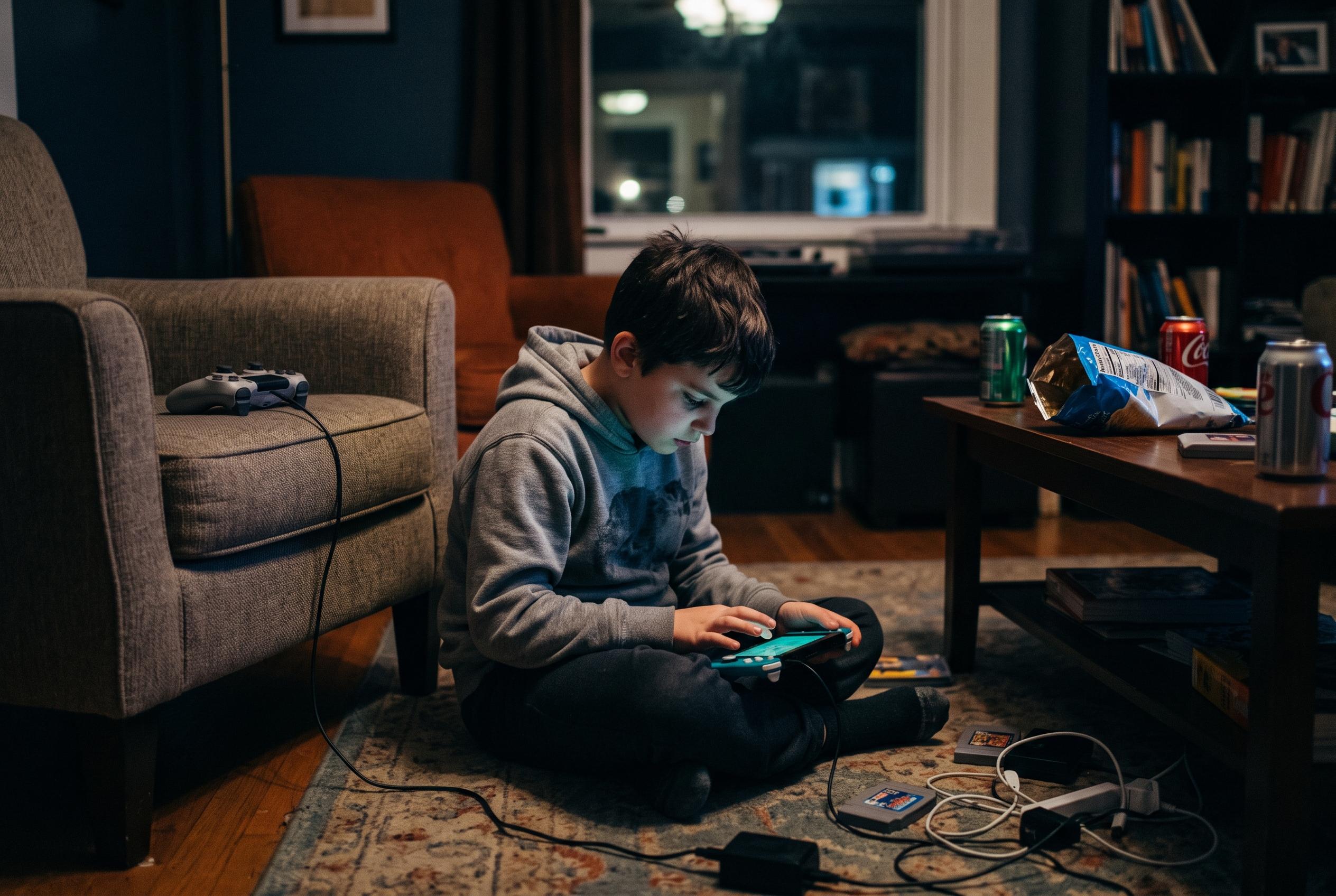

Child health experts are raising concerns over excessive video gaming, highlighting its potential to impact behaviour, academic performance, and social skills, amid calls for balanced screen time and family engagement.
Excessive video gaming is drawing renewed attention from child health experts who warn that too much screen time can spill into a child’s behaviour, schoolwork and relationships. While gaming can offer enjoyment, digital fluency and even some problem-solving benefits, paediatric guidance from HealthyChildren.org and the Cleveland Clinic says the risks rise when play becomes the dominant activity in a child’s day, especially if it crowds out sleep, reading, exercise and homework.
Specialists say the warning signs can include irritability, angry outbursts, withdrawal from family life and a drop in academic performance. WebMD and Harvard Health both note that long gaming sessions may also disrupt sleep and reduce physical activity, while some children can become so absorbed that they begin to neglect ordinary responsibilities. In more serious cases, Mayo Clinic Health System says families should watch for signs that gaming is becoming compulsive rather than merely entertaining.
The effects are not limited to the classroom or the bedroom. Health experts say children who spend most of their free time gaming may have fewer chances to practise face-to-face communication, teamwork and emotional regulation. That can matter at home as well, where time lost to screens can weaken conversations with parents and siblings and reduce opportunities to build trust and cooperation.
The advice from health organisations is consistent: gaming does not need to be banned, but it should be kept in balance. Parents are urged to set clear time limits, check what children are playing and encourage other activities such as outdoor sport, reading, drawing and crafts. Experts also say that regular time with family and friends remains important for developing social skills and maintaining a healthier routine.
Disclaimer: This content is for informational purposes only and is not intended to be a substitute for professional medical judgment, advice, diagnosis, or treatment.