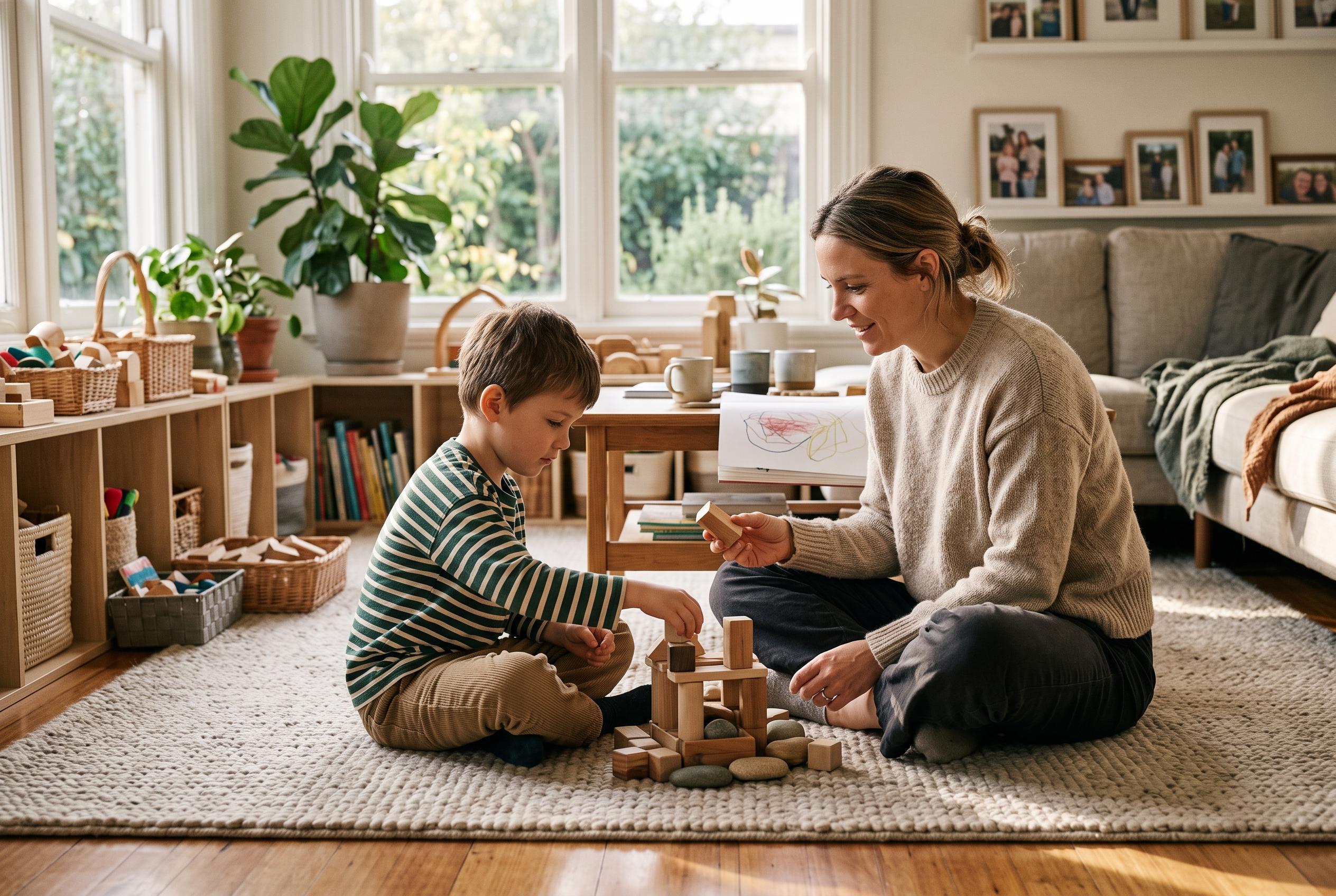

While gifted children often exhibit advanced intellect, experts warn that uneven development and parenting approaches influence their emotional well-being, highlighting the importance of support over performance targets.
Children identified as gifted are often seen as destined for success, but the bigger question is less about how fast they learn than how that ability is guided. As educator and psychologist Linda Kreger Silverman has argued, gifted children often develop unevenly: their intellectual capacity may race ahead while their emotional, social and practical maturity moves at a different pace. That mismatch can make ordinary childhood pressures feel unusually intense, even when a child appears far older in thought than in years.
That is why talent alone is not enough. A child who can spot patterns quickly or argue persuasively still needs help learning how to manage frustration, disappointment and conflict. As Silverman’s work on asynchronous development suggests, giftedness can bring a rich inner life, but it can also create vulnerability when adults mistake advanced thinking for complete maturity. Studies have also linked these uneven developmental patterns with underachievement when emotional needs are left unaddressed.
Parents can inadvertently make matters worse when they treat a child’s ability as a project to be optimised. Extra tuition, higher targets and a heavy emphasis on performance can turn encouragement into pressure. Research reviewed by Dena Papadopoulos found that parenting which supports autonomy and self-motivation is more closely associated with healthier development, while overly controlling approaches can harm well-being and mental health. The line between support and force is easy to cross when adults are anxious about wasted potential.
Gifted children are not automatically more prone to depression, but neither are they protected from it. A 2024 meta-analysis by Lucie Duplenne and colleagues did not find a significant difference in depression rates between gifted and typically developing people, suggesting giftedness itself is not the cause. Even so, earlier research by Carla Mueller pointed to social support at home and school as a key buffer against depression, while work by Patricia Jackson and James Peterson showed that some highly gifted teenagers hide severe symptoms because they feel ashamed that they cannot cope alone.
The lesson for parents and caregivers is straightforward: a bright child does not need to be turned into a score. They need guidance, limits, empathy and room to fail without losing their sense of worth. The real task is not to produce achievement at any cost, but to raise a person who can use intelligence with judgement, humility and care.
Disclaimer: This content is for informational purposes only and is not intended to be a substitute for professional medical judgment, advice, diagnosis, or treatment.