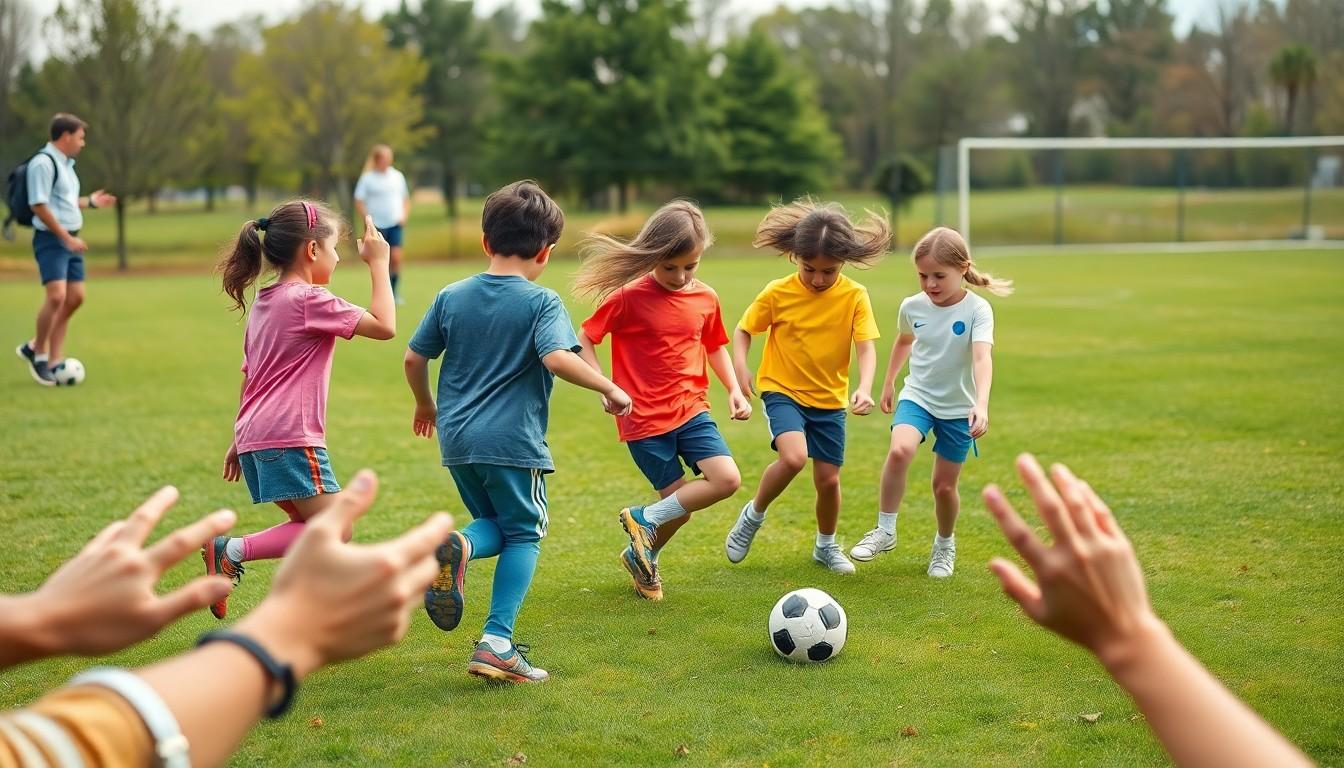

As youth sports become increasingly competitive and adult-driven, experts warn that the focus on winning may hinder children’s emotional growth and resilience, emphasising the importance of sport as a tool for teaching life’s essential lessons.
As the summer sports season gives way to the school year, the real lesson for children is not how to win every time, but how to cope when they do not. Roger Grossman argues in News Now Warsaw that youth sport has drifted too far towards adult ambition, with parents, coaches and players increasingly treating every fixture as a verdict on a child’s future rather than a chance to learn.
That pressure is easy to see from the sidelines. Grossman describes a landscape in which disputes over missed calls or tight decisions can quickly turn ugly, and he is not alone in warning about the climate around youth sport. Psychology Today says young athletes are more likely to stay involved when enjoyment and connection remain central, while burnout rises when fun gives way to constant pressure. Research and practitioner guidance echoed elsewhere this year also point to the same problem: children absorb adult behaviour, and a hostile touchline can make sport feel punitive rather than developmental.
The broader sports-business argument is increasingly similar. Sports Business Journal has reported that culture, not short-term winning, is the lasting asset in youth sport, and that organisations built on clear standards, parent education and a positive environment tend to hold on to players for longer. A separate survey highlighted by Valiant Sports Society found that parents are a major reason children quit, while sports psychology guidance says negative adult sideline conduct is one of the clearest reasons young athletes walk away. In other words, the atmosphere around the game may matter as much as the game itself.
Grossman’s central point is that children need to be taught more than the mechanics of sport. They need to learn how to handle success without arrogance and disappointment without collapse. That includes respect for officials, teammates and opponents, a point reinforced by BallStorm’s emphasis on sportsmanship as a lesson in resilience, fairness and teamwork. The aim, he suggests, should not be to shield children from losing, but to help them understand that losing is one part of life, not a measure of their value.
That matters beyond the playing field. Grossman warns that if adults model rage, blame and entitlement in youth sport, they are preparing children poorly for the setbacks that define adult life: job loss, illness, conflict and frustration. The better lesson, he says, is to combine fundamentals with the joy of competition, so that children grow into adults who can compete hard, lose gracefully and keep perspective when life does not go to plan.
Disclaimer: This content is for informational purposes only and is not intended to be a substitute for professional medical judgment, advice, diagnosis, or treatment.