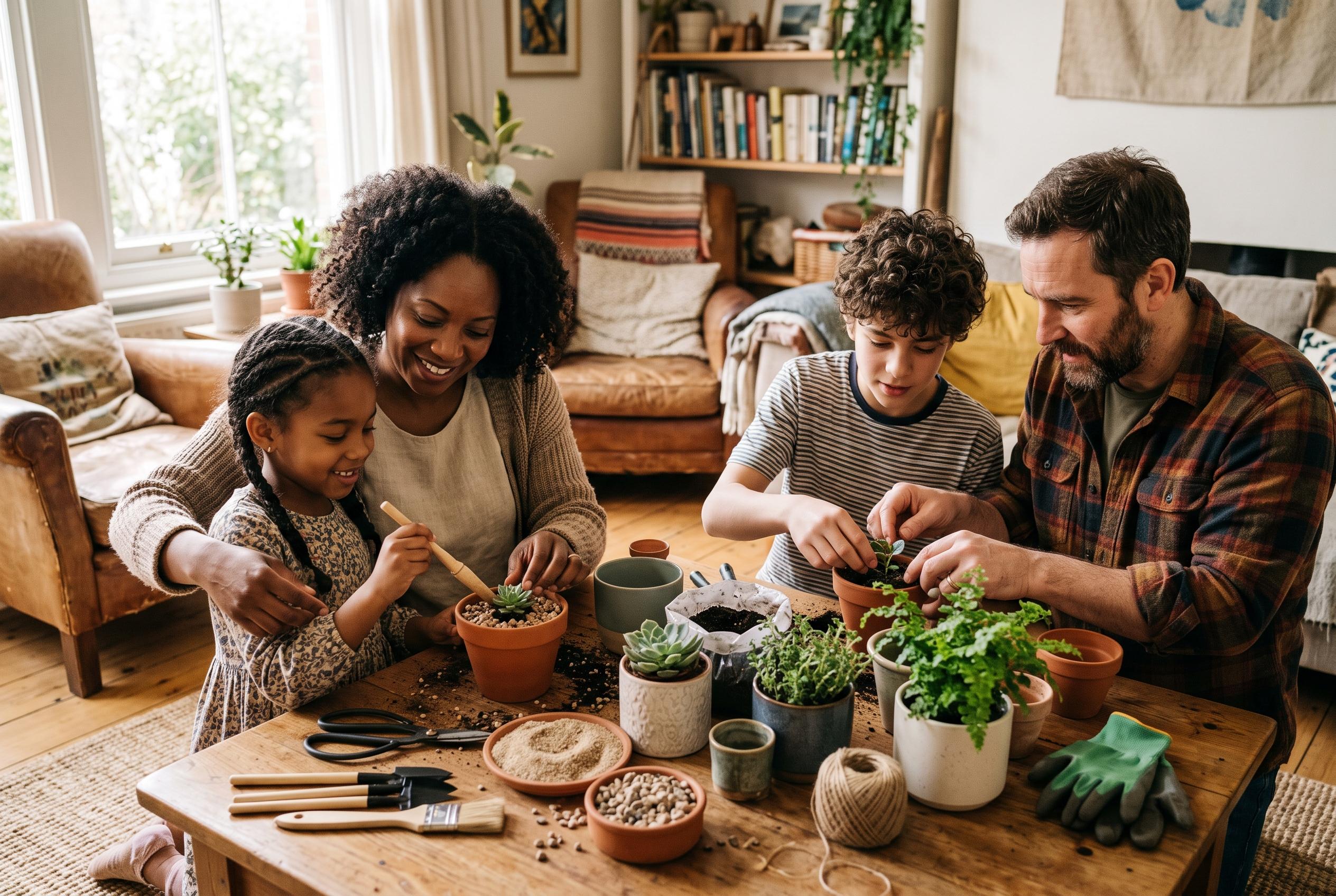

With a shift towards more deliberate, hands-on pursuits, families are exploring cost-effective analog hobbies such as sewing, gardening, and crafts to foster connection, reduce screen time, and build meaningful skills, despite initial costs and ongoing expenses.
Analog hobbies can give families a break from screens while building skills that last. Activities such as photography, sewing, woodworking, painting, gardening and learning an instrument can create shared time for parents and children, while also offering a more deliberate, hands-on way to learn. The appeal is not just nostalgic. As Psychology Today noted in a recent piece on starting an analog hobby, these pursuits can help people slow down, focus and feel more present.
The challenge is cost. Beginners often assume they need a full kit before they can really begin, but several guides on screen-free crafts argue the opposite: start small, use what is already at hand and test an activity before spending heavily. Art Tools suggested that knitting, sketching, embroidery and air-dry clay projects can begin with modest supplies, while Hobby Portal recommends borrowing gear, using household materials and treating the first month as a trial period. That approach can be especially useful for families trying to avoid clutter and wasted money.
Second-hand buying can also make sense, particularly for equipment that holds up well over time. Cameras, musical instruments, woodworking tools and sewing machines are often available used, and condition matters more than age alone. The key is to check whether parts still move smoothly, whether accessories are included and whether replacements are easy to find. Some items, however, should be approached more cautiously, especially safety equipment or heavily worn tools. Healthline and other guides on analog activities also note that offline hobbies can support well-being, whether through reading physical books, writing by hand or doing crafts that pull attention away from notifications.
Even with a low-cost start, the real expense often lies in keeping a hobby going. Film photography needs film and processing. Painting uses up paper, canvas and supplies. Gardening requires ongoing spending on soil, seeds and plant care. Before committing, it helps to estimate what six months of regular participation might cost, as well as whether the hobby needs storage space or a dedicated work area. In practice, the best family-friendly investments are the ones matched to genuine interest: start simply, buy used where it makes sense and upgrade only after the habit has proven it will last.
Disclaimer: This content is for informational purposes only and is not intended to be a substitute for professional medical judgment, advice, diagnosis, or treatment.