

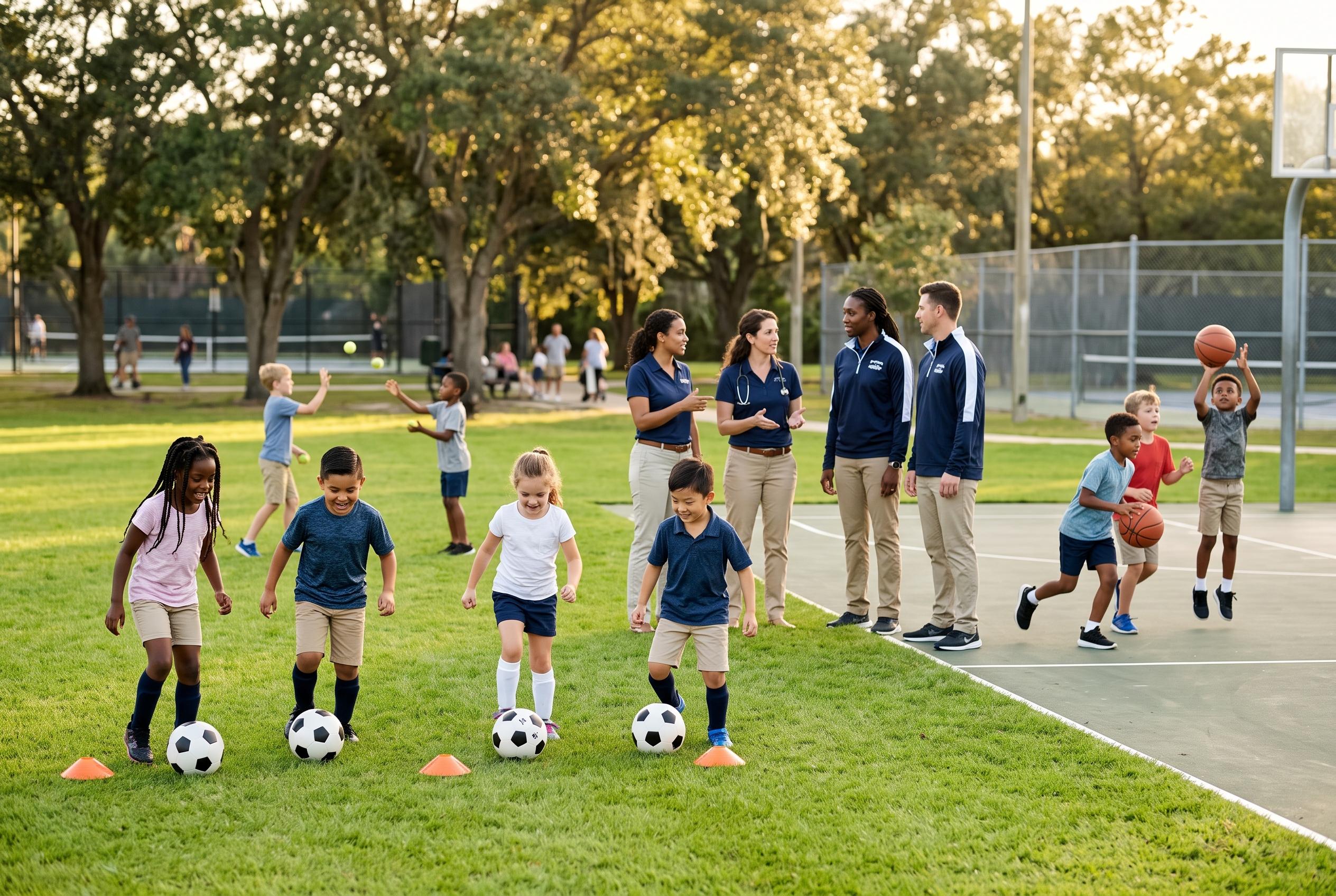

Coaches, doctors, and sports psychologists in Central Florida highlight the potential costs of pushing children into specialised sports too early, emphasising the benefits of multi-sport participation for physical and mental well-being.
Young athletes are often pushed to choose one sport and stick with it, but coaches, doctors and administrators in Central Florida warn that the trend can bring real costs, from injuries to burnout. The concern is not that specialisation is always wrong, but that it is being embraced too early, often before children have had the chance to find out what they enjoy most or what their bodies can handle.
Steve Turner, the head boys basketball coach at Montverde Academy, said he sees value in letting children stay with more than one sport through middle school and even into the early high school years. He argues that ninth-graders who are capable in several sports should usually try to keep playing them before making a long-term choice, rather than committing to year-round training too soon.
That view is backed by sports medicine experts who caution that early specialisation can place repeated stress on the same joints and muscles. Johns Hopkins Medicine says the growth of the youth sports industry and pressure from adults have helped drive the shift, while the American Orthopaedic Society for Sports Medicine says focusing on one sport too early can limit motor development and raise the risk of overuse injury and burnout.
The mental side matters just as much. Sports Psychology says specialised athletes are more likely than their multi-sport peers to report fatigue, a reduced sense of achievement and a feeling that their sport no longer matters. Cedars-Sinai also notes that early specialisation can contribute to social isolation, while University Hospitals warns that it does not guarantee better performance or a scholarship.
Patrick Hollern, athletic director at Windermere Prep, said he would prefer children to play multiple sports for as long as they want to. He believes the benefits go well beyond athletics, helping young people build friendships, cope with setbacks and learn habits that carry into adult life. Jen Darty, the girls volleyball coach and athletic director at Oviedo, echoed that concern, saying many families now feel pressured to treat youth sports like a year-round job.
Darty pointed to volleyball as an example of a sport that can become nearly continuous, with club seasons running alongside school programmes. Dr Elizabeth Davis, a paediatric sports medicine physician at Orlando Health Jewett Orthopedic Institute, said that repeated play without enough rest can lead to overuse injuries, particularly when children are also going through growth spurts. She recommends cross-training, or mixing several sports through the year, to give young bodies a break while keeping them active.
Davis also said parents need to resist the urge to turn sport into a financial bet on a future scholarship. Rita Gladstone, a head professional at the United States Tennis Association National Campus in Lake Nona, made a similar point, saying the child should be in the driver’s seat and the parent should support rather than control the experience. For her, the real goal is not an eventual pay-off, but helping children build healthy habits, confidence and a sport they can enjoy for life.
Disclaimer: This content is for informational purposes only and is not intended to be a substitute for professional medical judgment, advice, diagnosis, or treatment.



