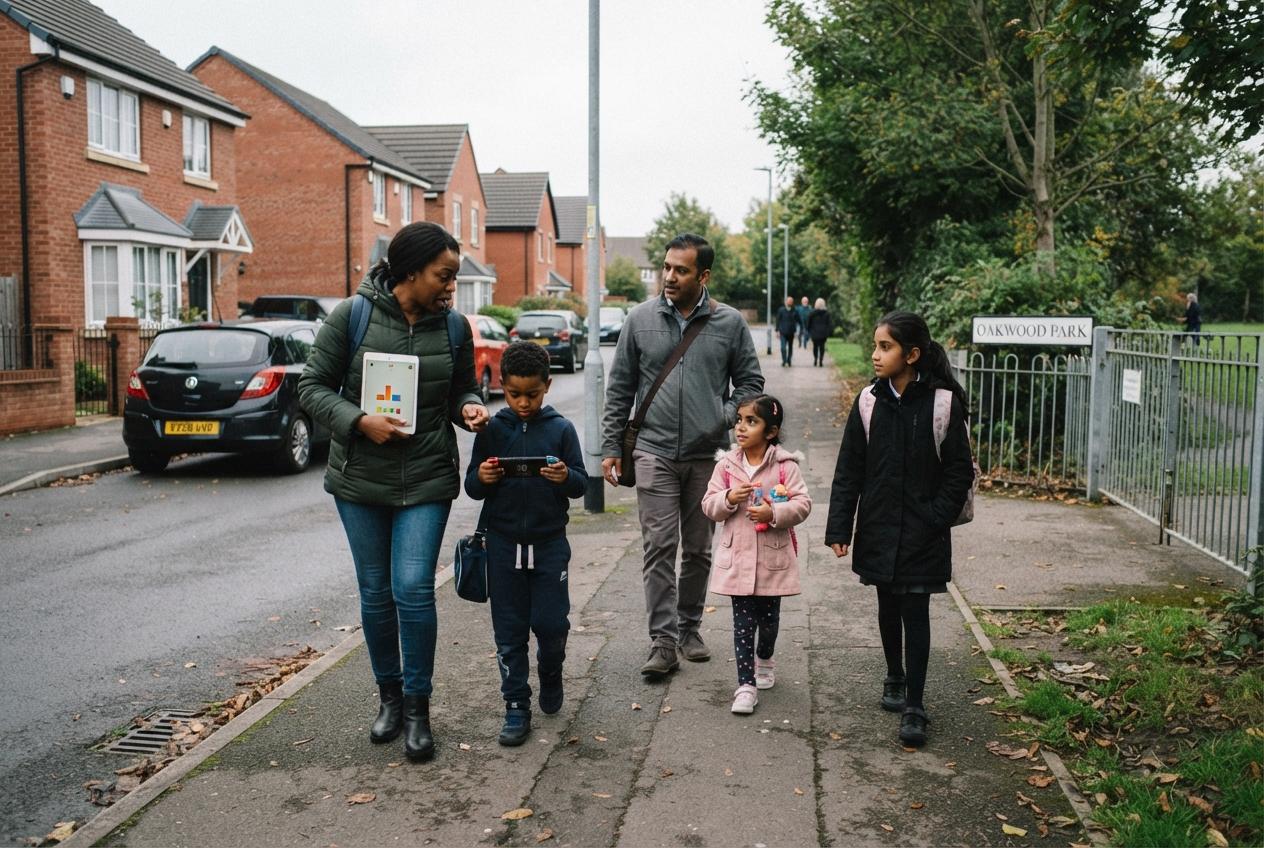

While video games can foster problem-solving, coordination, and social bonds, experts emphasise the importance of personalised limits and parental involvement to ensure healthier gaming habits for children amid concerns over excessive play and content risks.
Video games can do more than fill time. Used carefully, they can help children practise problem-solving, build coordination, share experiences with others and, in some cases, manage frustration and emotion. Yet modern games are also often engineered to keep players clicking, tapping or queueing for one more round, which is why experts increasingly argue for limits, supervision and thoughtful selection rather than a simple ban.
That broader view is echoed by UNICEF, which says gaming can support learning, creativity and social connection, while also carrying risks such as unsuitable content and unhealthy habits. WebMD likewise notes that games may improve learning and coordination, but that too much play can affect sleep and behaviour, making boundaries and content checks essential. Cleveland Clinic adds that gaming becomes a problem when it starts to crowd out ordinary routines.
Research cited by Dr Jesús Pujol suggests that some of the positive effects of gaming may appear with as little as two hours a week, while more than nine hours weekly could be linked with a higher risk of behavioural problems. Dr Nancy M. Petry has suggested 30 minutes a day as a practical reference point, though not a rigid prescription. The key, specialists argue, is to treat time limits as a guide rather than a rule measured to the minute.
Psychologist and UNIR professor Rocío Gómez recommends choosing games that reward patience, planning and emotional control, and says parents should sit alongside children rather than leaving them alone with a console or phone. If a child becomes angry when a session ends, that reaction can be as important as the game itself. A child who can stop easily may be ready for more freedom; one who struggles may need shorter sessions, different titles or a temporary break.
That approach is increasingly supported by research into parental involvement. A 2024 study in the Journal of Computers in Education found that active parent participation can strengthen the effect of games designed to build emotional skills. The practical lesson is not to demonise gaming, but to match the game, the duration and the child to one another, with the aim of making play healthier rather than more restrictive.
Disclaimer: This content is for informational purposes only and is not intended to be a substitute for professional medical judgment, advice, diagnosis, or treatment.