

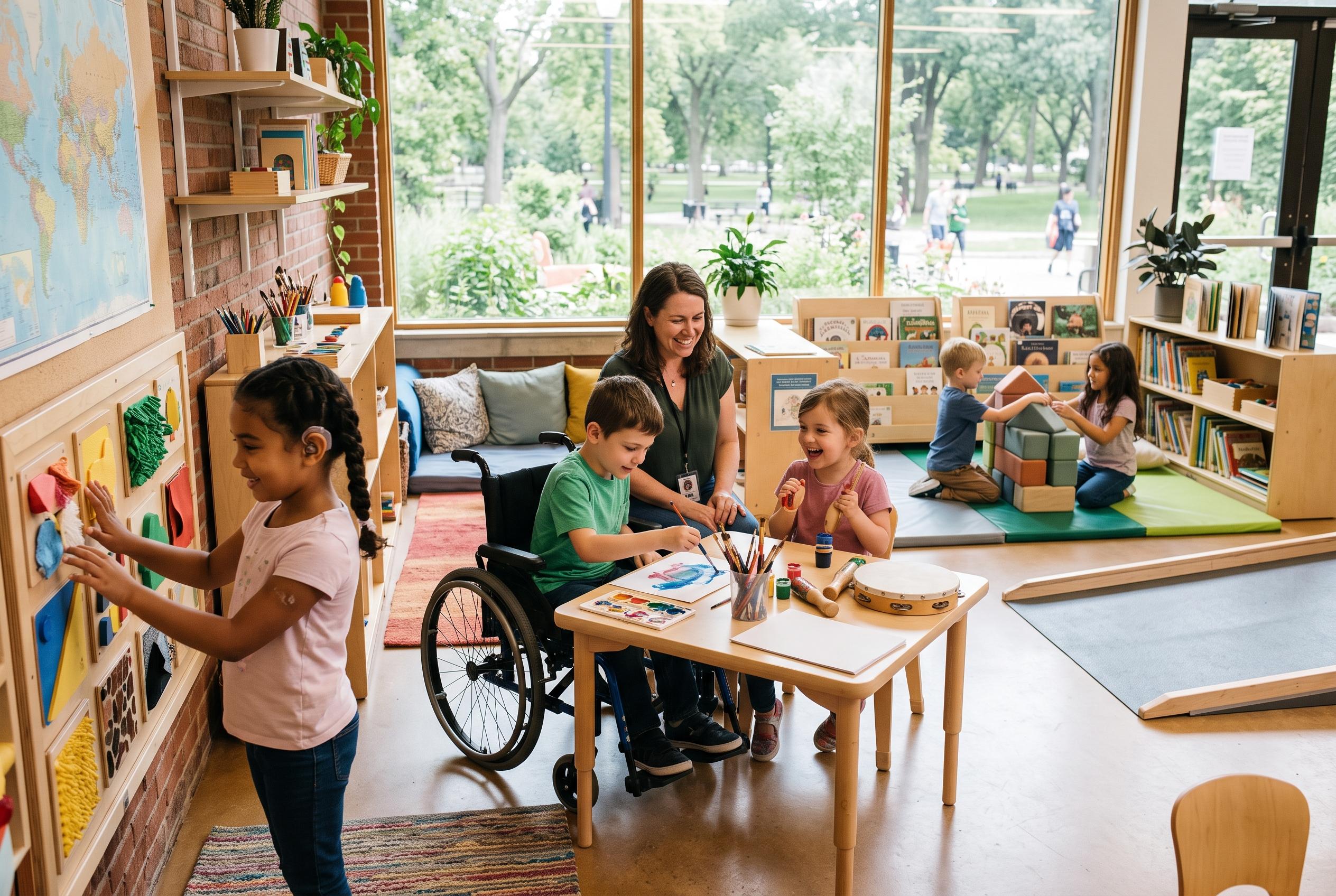

Beyond sports, community spaces like libraries, parks, and arts programmes play a vital role in fostering children’s physical, social, and emotional development by offering diverse, accessible, and enjoyable activities that help children find their unique way to learn, play, and belong.
Community recreation is often discussed in terms of sport, but that is only part of the picture. Libraries, parks, leisure centres, pools, youth programmes and arts activities can all give children a place to move, explore and meet others. The CDC says regular physical activity supports children’s heart, lung and bone health, and can also aid academic performance and brain development.
That broader view matters because not every child wants, or thrives in, a competitive team setting. A child who has no interest in football may enjoy swimming, drawing, reading groups, nature walks or a local workshop instead. The point is not to funnel every child into the same kind of activity, but to offer choices that help them find what feels enjoyable and manageable.
Shared community spaces can also help children build social confidence. A library event, a park play area or a community pool can create chances to take turns, speak to new people and cooperate with children outside their usual circle. The CDC says parks and green spaces support physical activity and community connection, while HealthyChildren.org notes that outdoor play can improve mood, curiosity and focus.
There is also a practical side to this. Families do not always have the money for private lessons or club memberships, and public recreation can make participation more realistic. Parks, libraries and local recreation programmes often provide free or lower-cost activities, which can widen access for children who might otherwise miss out. The World Health Organisation, UNICEF and UN-Habitat have also stressed that access to public play spaces is important for children’s health and development.
For some children, recreation may even become part of the family rhythm. A weekend at the park, a visit to the pool or an afternoon at a community event can turn into a regular habit that children remember for years. The National Recreation and Park Association says parks and recreation programmes can support healthy development, while also helping children stay active and engaged.
In the end, community recreation is about more than keeping children busy. It can give them room to try new things, form relationships and discover where they feel at home. Sports may be one valuable route, but they are not the only one, and a strong community makes space for children to learn, play and belong in different ways.
Disclaimer: This content is for informational purposes only and is not intended to be a substitute for professional medical judgment, advice, diagnosis, or treatment.



