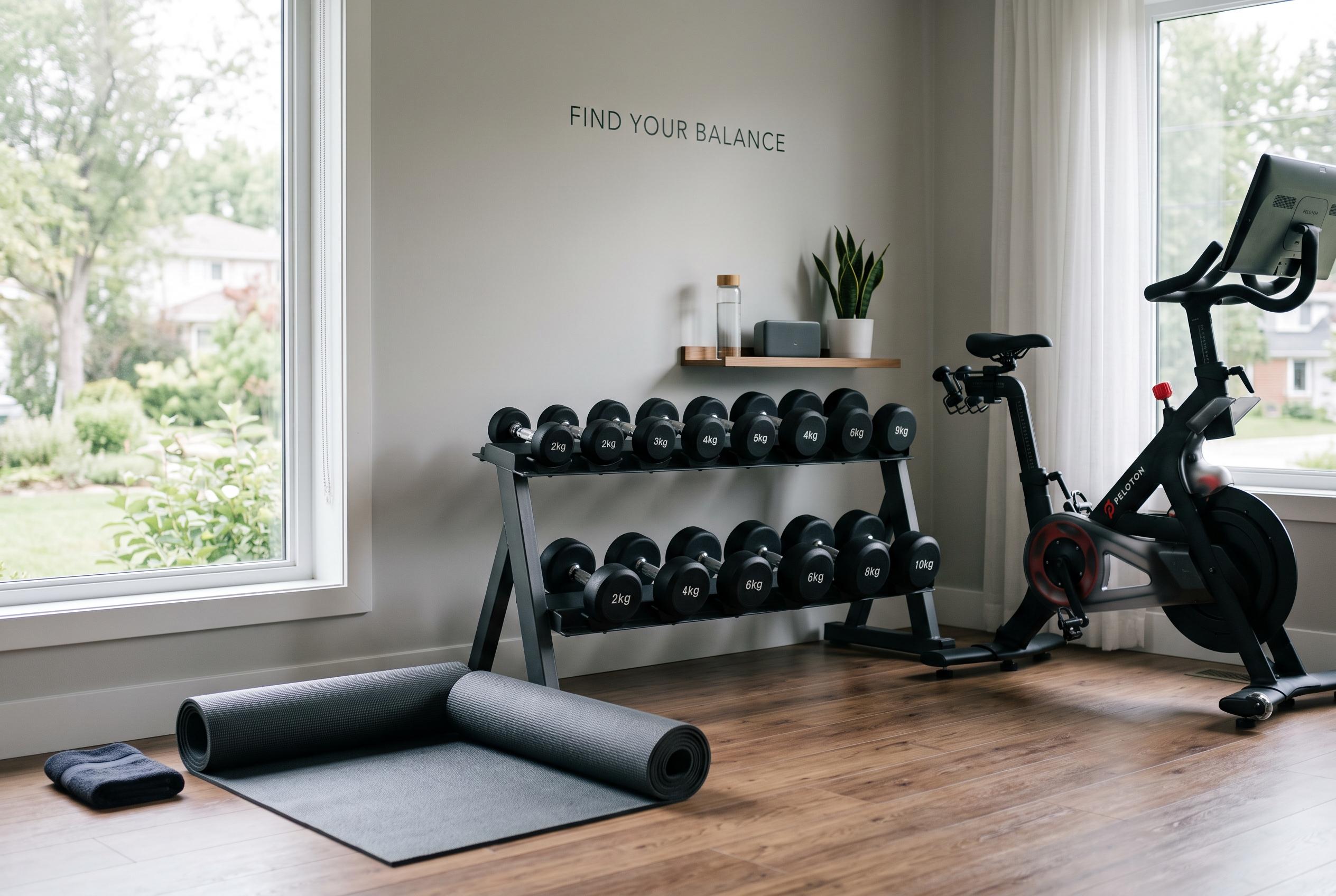

New studies from Australia, Hungary and Britain reveal a growing concern over exercise becoming a compulsive behaviour, linking it to mental health issues and social pressures, prompting calls for balanced routines and awareness.
A new line of research from Australia, Hungary and Britain is casting exercise in a less flattering light: for some people, the drive to train can become compulsive rather than healthy. The concern is not with ordinary commitment, but with behaviour that keeps tightening its grip even when pain, injury, fatigue or strain on relationships should be a warning sign.
Researchers involved in the review say exercise addiction remains under-recognised, even though evidence suggests it is a real pattern of harmful behaviour. Studies published in recent years have documented cases that are difficult to diagnose and treat, while also pointing to links with eating disorders, perfectionism and body image concerns.
The warning signs are fairly clear, according to experts cited in the report: anxiety or guilt when a workout is missed, a refusal to rest after injury, and choosing exercise over work, family or other responsibilities. Rather than bringing balance, training becomes a rigid obligation that is hard to interrupt.
Psychologists say the pull can be partly biochemical. Physical activity stimulates reward pathways in the brain, and in some cases people appear to chase the relief or euphoria that follows a workout. That pattern may be especially strong in people living with chronic stress, high anxiety or longstanding perfectionism.
There is also a social side to the problem. Public praise for discipline, weight loss or impressive performance can reinforce extreme habits, while unresolved insecurity, bullying or body dissatisfaction may turn the gym into a place of compensation rather than wellbeing. Experts say that is where a healthy routine can start to resemble self-punishment.
That does not mean exercise itself is the problem. The research is clear that physical activity remains beneficial, and in many cases it can be a constructive substitute for more damaging forms of coping. But clinicians warn that the line is crossed when training becomes tied to fear, compulsive self-control or escalating demands that the body can no longer comfortably bear.
For parents and caregivers, the practical lesson is simple: consistency is healthy, but rigidity is not. A balanced routine should leave room for rest, illness, family life and ordinary setbacks. When a child, teenager or adult treats missing a session as a crisis, or appears unable to stop despite clear harm, it may be time to look beyond discipline and ask what the exercise is really managing.
Disclaimer: This content is for informational purposes only and is not intended to be a substitute for professional medical judgment, advice, diagnosis, or treatment.