
As families grapple with rising costs and changing societal norms, experts call for more permanent, flexible support systems to balance children’s needs for structured activities and free time, fostering resilience and independence.
Across households, the same question returns every summer: what are we going to do with the children? The school year has ended, camps and holiday clubs are over, but the calendar has not yet caught up with working life. For many families, the problem is not simply inconvenience but cost, because summer care, holiday programmes and extra activities remain out of reach unless public support fills the gap. Trouw reported that Igor Ikavic, head of the Dutch Centre for Youth Health, is right to argue that help for families facing this seasonal pressure should be made more permanent rather than left to patchy, one-off subsidies.
The strain is sharpened by a more individualistic society, where the informal village that once helped raise children is harder to find. That makes local summer initiatives, including neighbourhood grandparents who help organise activities, especially valuable. Research on work patterns and childcare also points to a wider reality: family life is shaped by employment structures, and non-standard hours can complicate access to both formal and informal care. In that context, support for parents is not just a social nicety but a practical labour-market issue, especially for women, who often carry the heaviest share of the combined burden of work and care.
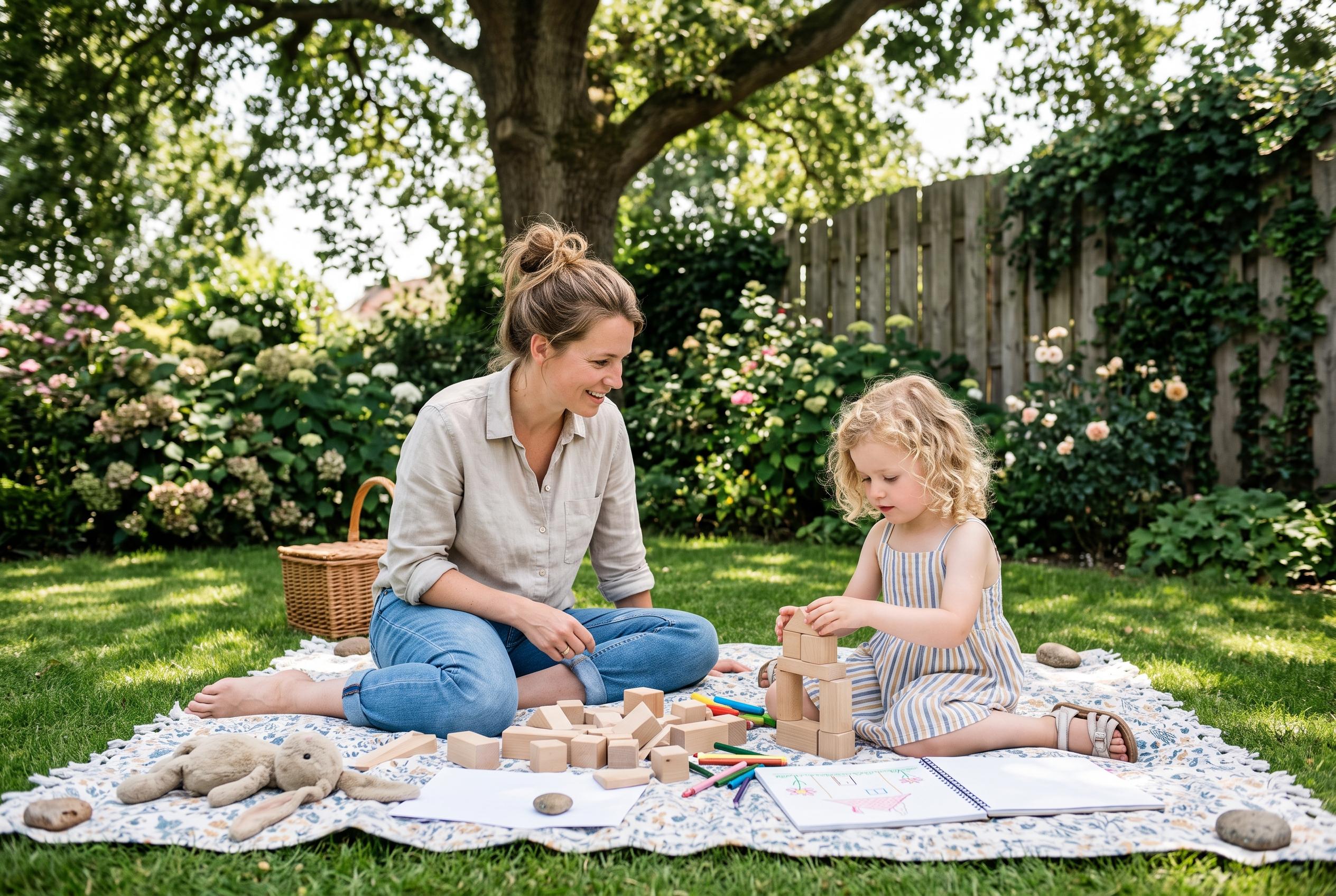
There is also a cultural question behind the policy debate. Dutch opinion writer argued that children need more than packed schedules and organised entertainment; they need time to drift, invent and occasionally cause harmless trouble. Other commentary on summer boredom has made the same case, noting that constant activity can crowd out imagination and self-directed play. Allowing children to do less for a while can help them learn resilience, creativity and independence, qualities that are harder to cultivate in a timetable that leaves no empty space.
That broader shift would also require a change in adult expectations. The tendency to treat every hour as something that must be optimised has been described by the Dutch Council for Public Health and Society as part of a hyper-nervous culture. If parents, schools and policymakers can loosen that grip a little, summer may become less of a test to be survived and more of a season in which children are allowed to be children, with all the boredom, curiosity and mischief that entails.
Disclaimer: This content is for informational purposes only and is not intended to be a substitute for professional medical judgment, advice, diagnosis, or treatment.