

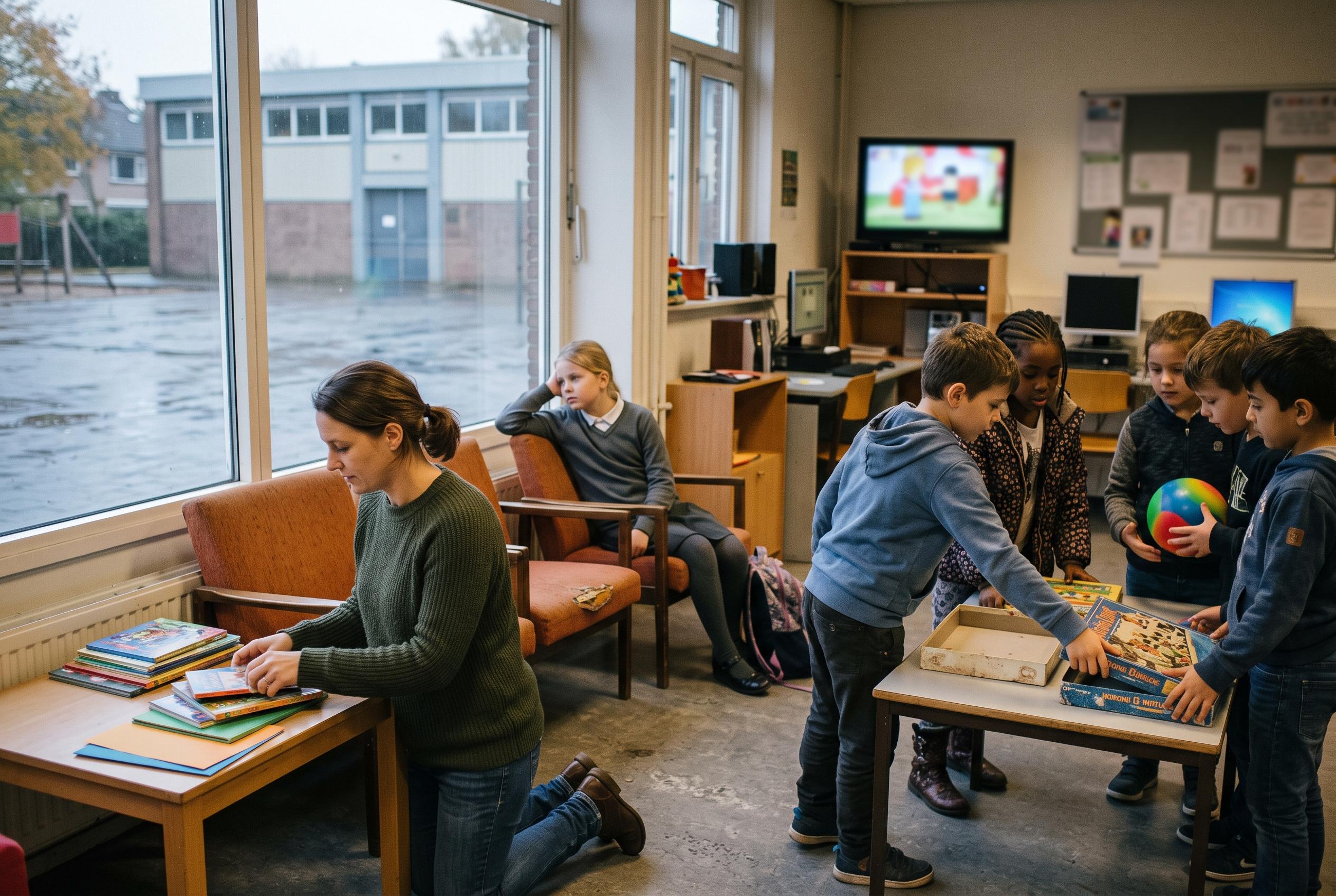

With children as young as nine turning to screens after school due to lack of local activities, Denmark’s Education Minister calls for a nationwide review to ensure equitable and healthy leisure options for all pupils.
In parts of Denmark, children as young as nine or 10 are heading home after school to screens and sofas because there is no local after-school provision, according to Berlingske and a related DKnyt report based on Ritzau. That concern has now prompted Education Minister Magnus Heunicke to ask for a national review of how well children are covered by after-school services and how good those services are.
Heunicke told a parliamentary hearing on Thursday that too many children spend their free time on phones and tablets, naming Snapchat, TikTok, YouTube and Instagram as major draws on their attention. He said he found it worrying that so much of children’s leisure time is being taken up by screens and argued that a healthy after-school life should include more than digital entertainment.
The debate has sharpened because provision varies widely from one municipality to another. Most children attend SFO, the Danish school-based after-school care system, or fritidshjem, roughly equivalent to leisure clubs, until the end of third grade. After that, coverage becomes far patchier, and in some places there is no municipal club offer at all for older children. The minister has previously acknowledged that there is not enough data to say exactly how many children are missing out on structured after-school activities, although the overall pattern appears clear: younger pupils are far more likely to be enrolled than older ones.
Among the municipalities without a municipal club for children after third grade are Morsø and Bornholm, although both places have some locally organised alternatives run by parents or civil society groups. Leila Stockmarr, the Left party’s children’s spokesman, said it should not be acceptable to leave children to themselves at such a young age simply because the school day has ended. She argued that every child should have access to a leisure club and said family finances should not determine whether children can take part. Anders Winnerskjold, who chairs the Danish Municipalities’ children and education committee and is also mayor of Aarhus, backed the idea of an investigation, saying good leisure provision gives children a break from screens, helps friendships form and allows them to discover what they are good at.
Disclaimer: This content is for informational purposes only and is not intended to be a substitute for professional medical judgment, advice, diagnosis, or treatment.



