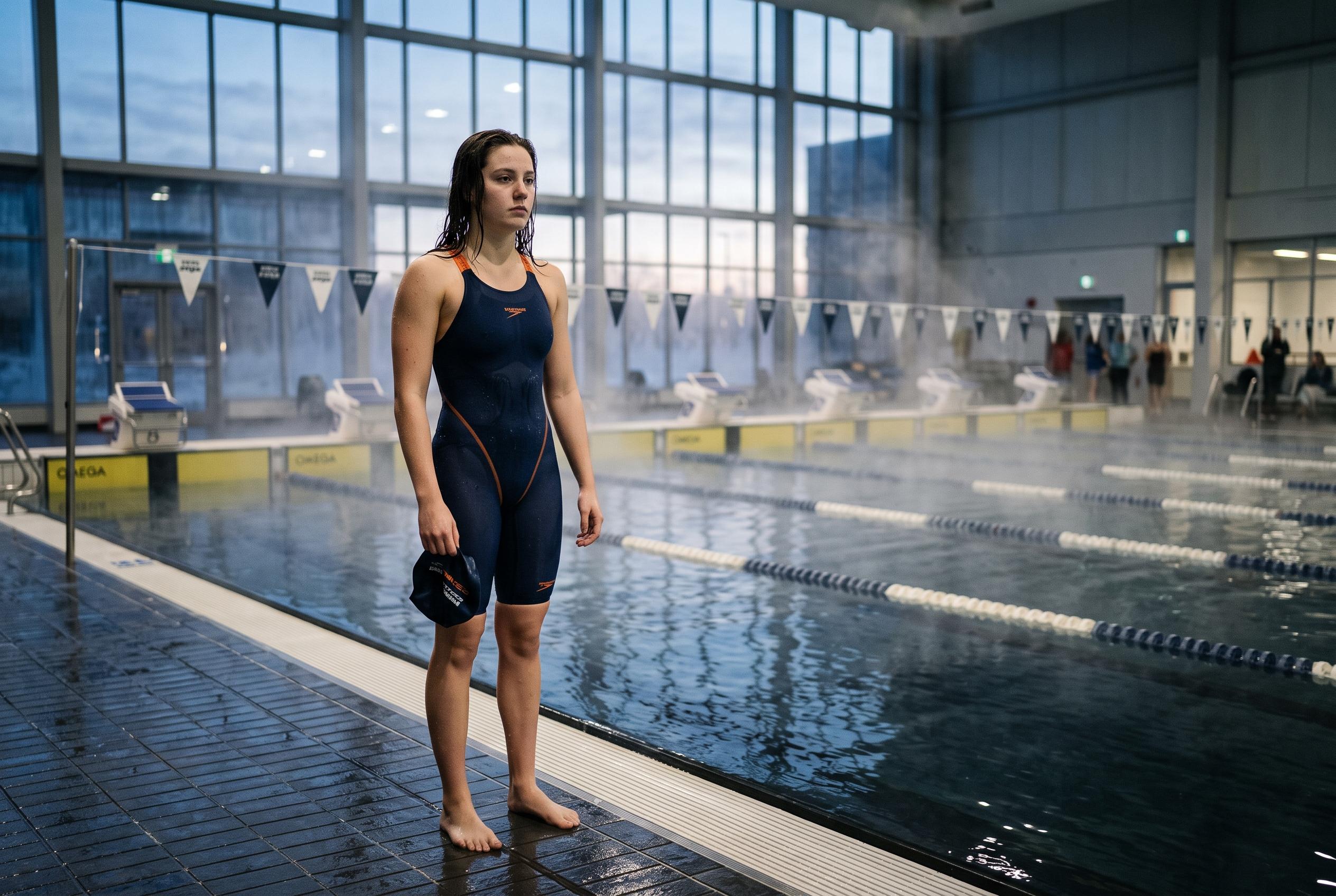

A new study reveals that postponing teenage swimmers’ early morning training from 7:00am to 9:00am extends sleep by an hour but does not significantly enhance recovery or race times, highlighting ongoing challenges of balancing adolescent sleep needs with sports demands.
A new randomised trial suggests that moving elite teenage swimmers’ morning pool sessions from 7:00am to 9:00am gives them about an extra hour of sleep a night, but that improvement is not enough to fix the sleep shortfall many still carry into training. The study, published in Sports Medicine – Open and summarised by Bioengineer.org, also found no clear boost in recovery markers or race times over the short term.
Researchers at Saarland University worked with 27 national-level swimmers, who took part in two eight-day training camps in which the morning session started either at 7:00am or 9:00am. By letting each athlete experience both schedules, the team was able to compare the effects more directly. Objective sleep tracking showed that the later start extended night sleep by roughly one hour, yet average sleep still fell short of the eight to ten hours generally recommended for adolescents.
The researchers reported that the longer sleep window did not translate into better swimming performance in 100-metre or 800-metre tests, nor did it meaningfully improve most measures of perceived recovery. One exception was emotional balance, which appeared to hold up better when training began later. The swimmers also reported greater motivation before testing in the later-start condition, a change that may matter over a longer training season even if it did not alter times in this trial.
The findings fit a wider concern in youth sport: early starts often collide with adolescent sleep biology. Swimmers are especially vulnerable because pool access is limited and morning sessions are routinely scheduled before dawn. Previous studies have shown that young swimmers often sleep less on nights before early training, and that their overall sleep is already below what many of them say they need. The new trial strengthens that evidence by showing that the early schedule itself is part of the problem, not just a feature of busy training lives.
Even so, the study also shows that later starts are not a complete solution. The athletes remained chronically under-rested, and the authors said the short trial period, heavy training load and permitted daytime naps may have masked any longer-term gains. Their practical message is straightforward: where pool schedules allow, delaying morning sessions is likely to help young swimmers sleep more, even if further work is needed to show whether that extra rest ultimately improves recovery and performance.
Disclaimer: This content is for informational purposes only and is not intended to be a substitute for professional medical judgment, advice, diagnosis, or treatment.