
Research suggests that dance enhances children’s physical, cognitive, emotional, and social skills, offering a fun and effective way to support overall development from early childhood to older ages.
For many children, dance starts as play: music, movement and simple imitation. But research and education experts say it can do far more than entertain. It can help children build coordination, confidence, social skills and emotional awareness while giving them a form of exercise they are more likely to enjoy and repeat.
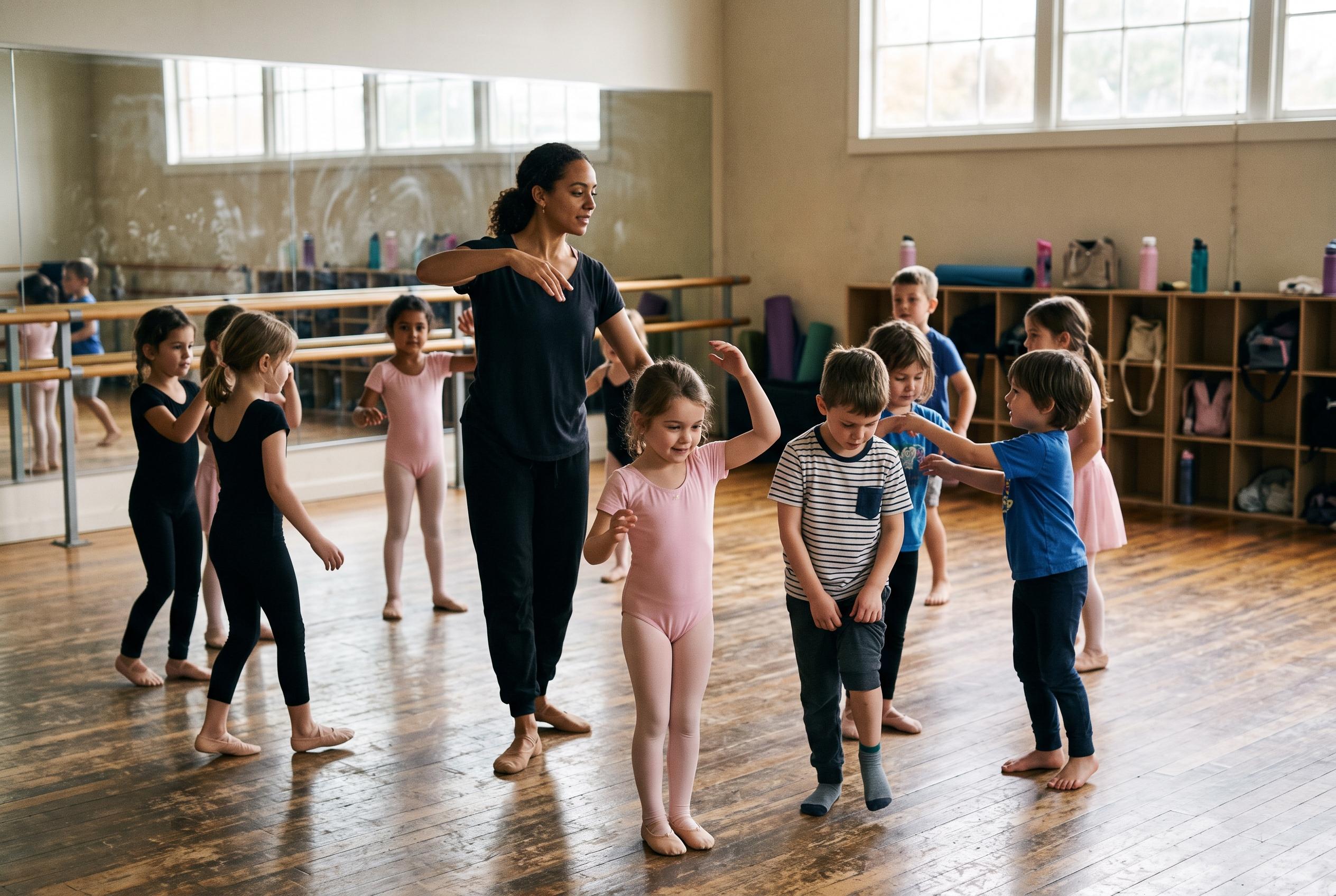
As children learn steps, turns and timing, they practise balance, body control and spatial awareness. The British Council says dance can make children less clumsy and more attentive to the people and objects around them, because they must share space, respond to rhythm and adjust their movements to others. That physical learning matters most in the years when posture, strength and motor skills are still developing.
Dance may also sharpen memory and concentration. A child learning choreography has to remember sequences, watch for cues and keep pace with the music. A systematic review indexed in PubMed found that dance can improve balance and jumping skills, alongside cognitive and social outcomes, although researchers said more work is still needed to fully understand the effects.
The benefits are not only physical. The British Council says singing and dancing can help children express feelings, build bonds and develop imagination and storytelling skills. That fits with wider research suggesting that music and dance support social and emotional development, even in very young children. One article in Psychology Today said babies are ready to listen to music from an early age and may begin dancing earlier than many parents expect.
A June 2025 report from the Association for Psychological Science noted that most children show dance-like movements before their first birthday. Researchers are still studying why those early movements appear, but the article suggested they may reflect the brain’s developing links between hearing and movement. It also said babies’ responses to music can be shaped by the encouragement and reactions they receive from adults.
For older children, the classroom or dance studio can become a place to practise confidence. Rehearsing the same steps until they become familiar gives children a clear sense of progress. Performing in front of others can also help them manage nerves, while group routines teach patience, cooperation and respect for shared rules.
There is one important caveat: dance should still feel enjoyable. A Time report on a ballet study found that not every dance class delivers the same level of physical activity, especially when lessons are more static than energetic. Even so, specialists say dance remains valuable precisely because it combines movement with music, creativity and social contact. For children, that mix can make it a lasting habit rather than a short-lived chore.
Disclaimer: This content is for informational purposes only and is not intended to be a substitute for professional medical judgment, advice, diagnosis, or treatment.