

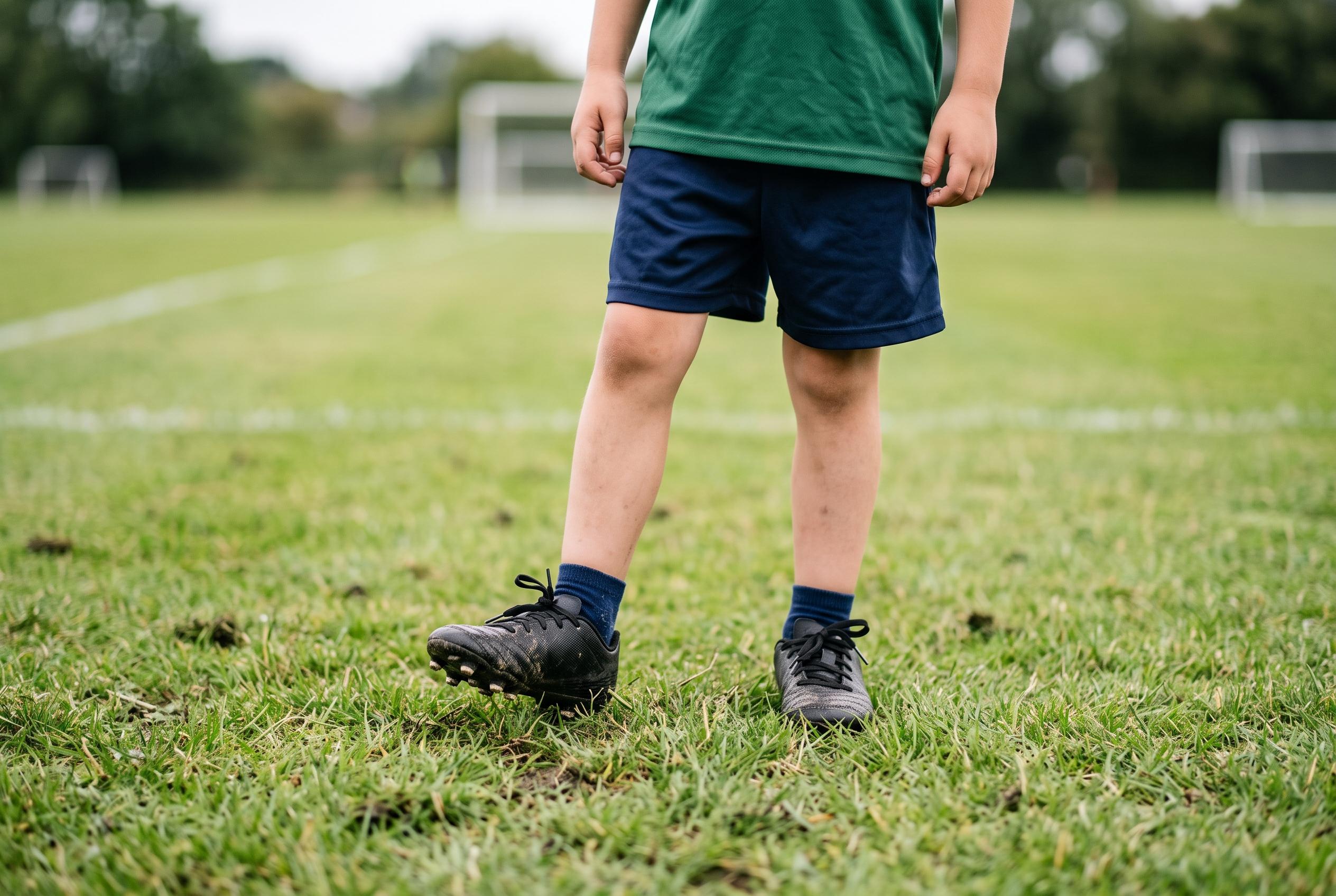

Experts advise parents to prioritise comfort, safety and appropriate footwear over expensive gear for children starting their football journey, emphasising the importance of correct surface-specific boots and a focus on enjoyment and learning.
When a child decides to start football, parents often rush to buy everything at once: boots, shin guards, kit bags and extras. But the most useful approach, according to guidance aimed at first-time youth players, is to begin with comfort, safety and the right footwear for the surface rather than with expensive branded gear. Advice from youth sports clubs and equipment guides alike points to the same idea: children need kit that lets them move freely and focus on learning, not on what they are wearing.
The first decision is the pitch. Artificial turf, natural grass and indoor courts all need different soles, and the wrong pair can make running and turning awkward. Football guides for children say that firm-ground, artificial-ground and indoor styles are designed for different surfaces, so parents should check what the coach uses most often before buying boots. If a child will train indoors, trainers with a flat sole are usually the better choice; outside, boots with suitable studs give better grip.
Fit matters just as much as the surface. Youth coaching advice says footwear should hold the heel securely, leave a little space at the toes and feel comfortable with football socks or shin guards on. Children should be encouraged to walk and jog in the boots before training starts. The same practical rule applies to clothing: a simple shirt, shorts or tracksuit bottoms, shin guards and a water bottle are usually enough for beginners.
Specialist gear can wait. If a child spends more time in goal than outfield, gloves become important, but even then the fit should come first. Youth goalkeeper guides recommend checking wrist support, palm grip and finger flexibility, while starting with training gloves before moving on to more advanced match gear. Other useful extras include a sports bag, seasonal layers for cold weather and a ball that suits the child’s age for practice at home. More advanced training aids, such as rebounders or agility ladders, can help later, but they are not essential on day one.
In the end, the best kit for a young footballer is not the most expensive or the most eye-catching. It is the equipment that feels right, suits the pitch and allows the child to run, learn and enjoy the game with confidence.
Disclaimer: This content is for informational purposes only and is not intended to be a substitute for professional medical judgment, advice, diagnosis, or treatment.



