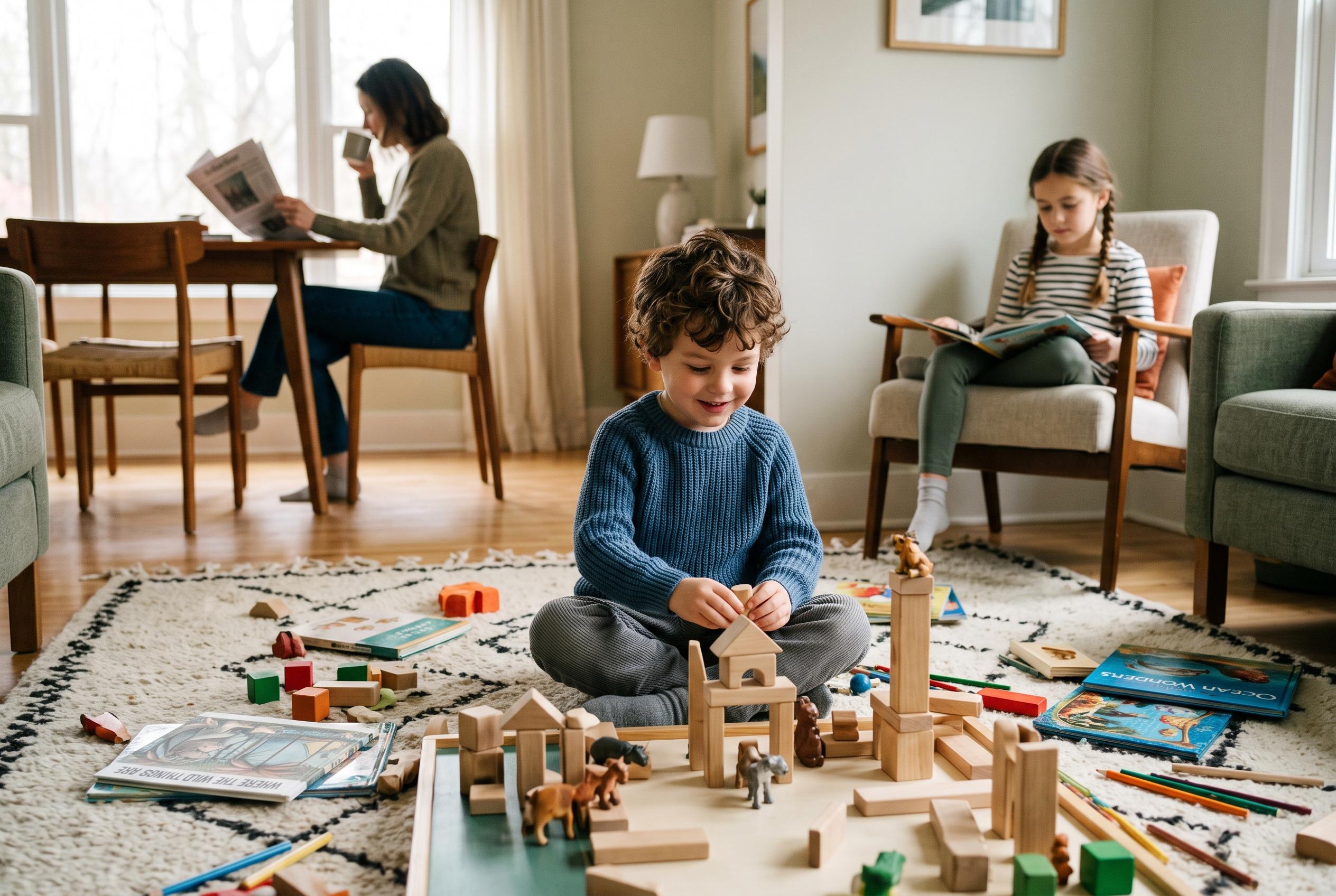

A study by the University of Georgia reveals that children who choose to play alone can still have healthy social lives, challenging assumptions about solitude and loneliness in childhood.
A child who prefers to play alone is not necessarily lonely or unhappy. Research reported by Euronews suggests that, for some children, solitude is a preference rather than a sign of trouble, provided they still feel they belong among their peers.
The study, led by researchers at the University of Georgia, looked at 473 pupils aged nine to eleven at primary schools in Georgia. Children were asked about classmates who liked to play on their own, as well as about their own friendships and sense of place within the class.
What stood out, the researchers found, was the difference between children who chose alone time but still felt part of the group, and those who did not seem to value belonging in the same way. The first group tended to report satisfactory close friendships and healthy relationships with classmates. They were able to join in when they wanted, but were also comfortable declining invitations and spending time by themselves.
Rachael Pfanz, the study’s corresponding author and a school psychologist, said in a university statement that some children “prefer to be alone and do their work rather than play with their peers”, while still having the benefit of getting along well with others. Michele Lease, a co-author and educational psychology professor at the University of Georgia, said social connection, like other healthy habits, depends partly on choosing what is good for you and not always turning things down.
The researchers warned, however, that a pattern of repeatedly refusing invitations can gradually lead to fewer social opportunities. Over time, that can make isolation more likely and leave a child less satisfied with social life. They also said parents and teachers should not automatically push a child who likes solo activities into a large group, as that can feel overwhelming. A gentler approach, they suggested, is to introduce the child gradually to smaller groups of children with similar interests.
The findings may matter most in fourth and fifth grade, when friendship groups become more settled and children are more alert to the difference between someone who prefers to be alone and someone who is being left out. Related research adds nuance to that picture: work from Penn State has linked loneliness in young children with shyer, more disruptive or less friendly behaviour, while studies from the University of North Carolina at Greensboro and Child Development suggest that different kinds of solitary behaviour do not all carry the same meaning for anxiety or social difficulty. Together, the research points to a simple lesson: alone time is not automatically a problem, but a child’s wider social experience still deserves attention.
Disclaimer: This content is for informational purposes only and is not intended to be a substitute for professional medical judgment, advice, diagnosis, or treatment.