

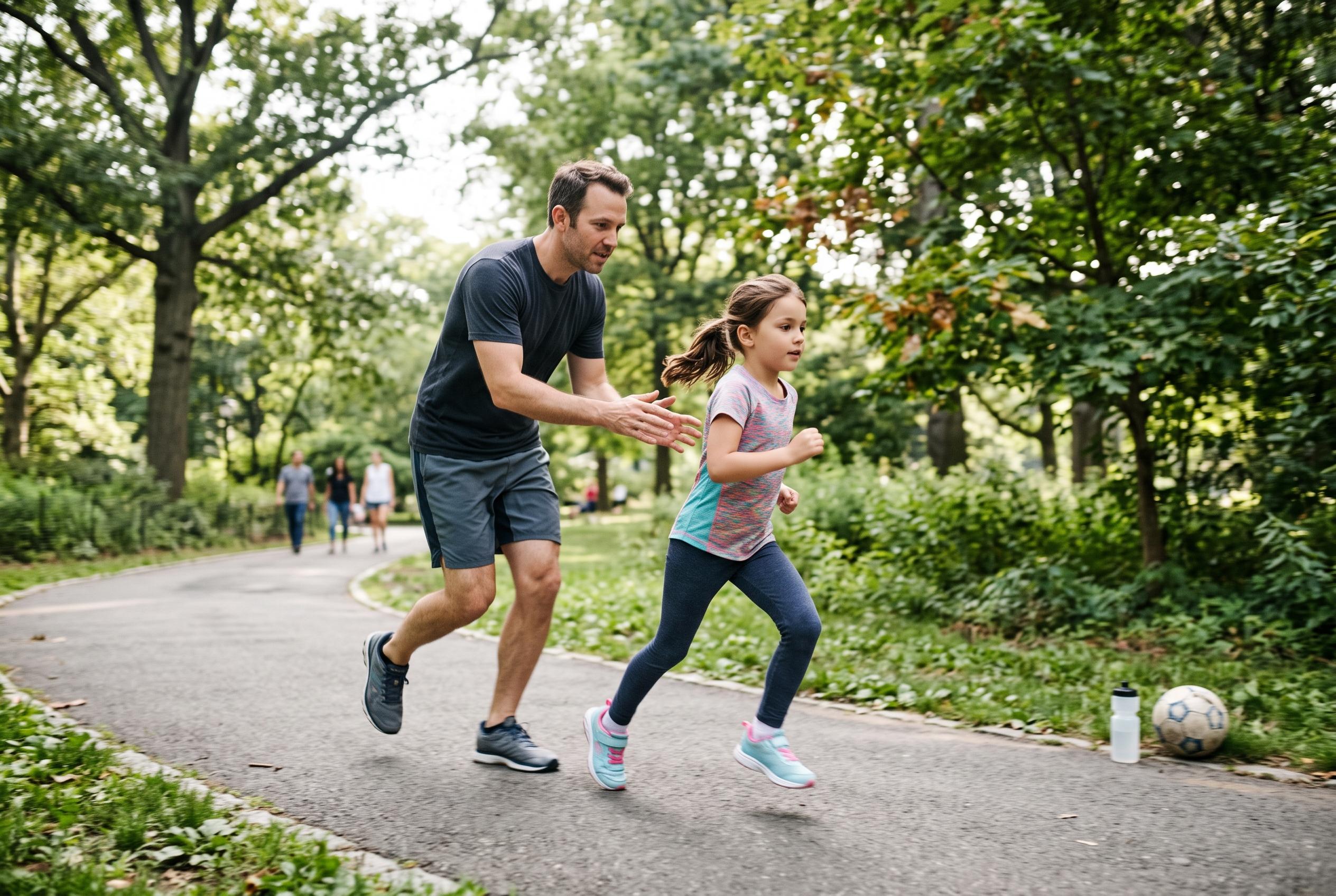

A new study reveals that children with higher cardiorespiratory fitness are less likely to experience depression later in life, highlighting the importance of vigorous play and physical activity in youth for long-term mental health benefits.
Children who are fitter may carry a lower risk of depression well into adulthood, according to a new study in the Journal of Affective Disorders. Researchers said the protective link was seen most clearly in cardiorespiratory fitness, the kind built through activities that make children breathe harder, such as running or other vigorous play, while muscle strength did not show the same clear pattern.
The study followed more than 1,000 people who had their fitness measured in childhood in 1985 and were later tracked into their late 30s and 40s. Cardio fitness was assessed through tests such as how quickly children could run a mile, while some also completed bike and grip-strength measures. Lead researcher Kylie Smith of the University of Tasmania said the findings suggest childhood fitness may matter far beyond physical health, although she stressed that no single factor explains depression risk on its own.
Grant Tomkinson of Adelaide University said children and teenagers with better cardiorespiratory fitness had a lower chance of depression as adults, adding that fitness is something that can be changed. The study reported a 20% lower rate of depression among women and an 11% lower rate among men linked to better cardio fitness in youth. The association appeared stronger and more consistent in females, according to the report.
The results fit with earlier research suggesting physical activity can support mental health across the life course. A study in The BMJ found that just one to two hours of exercise a week could sharply reduce the long-term risk of depression, while another prospective study in the European Journal of Public Health linked higher physical activity in childhood and adolescence with fewer depressive symptoms later in life. Taken together, the findings point to a broader case for keeping children active, not only to support heart health and strength, but also to help build resilience for the years ahead.
Disclaimer: This content is for informational purposes only and is not intended to be a substitute for professional medical judgment, advice, diagnosis, or treatment.



