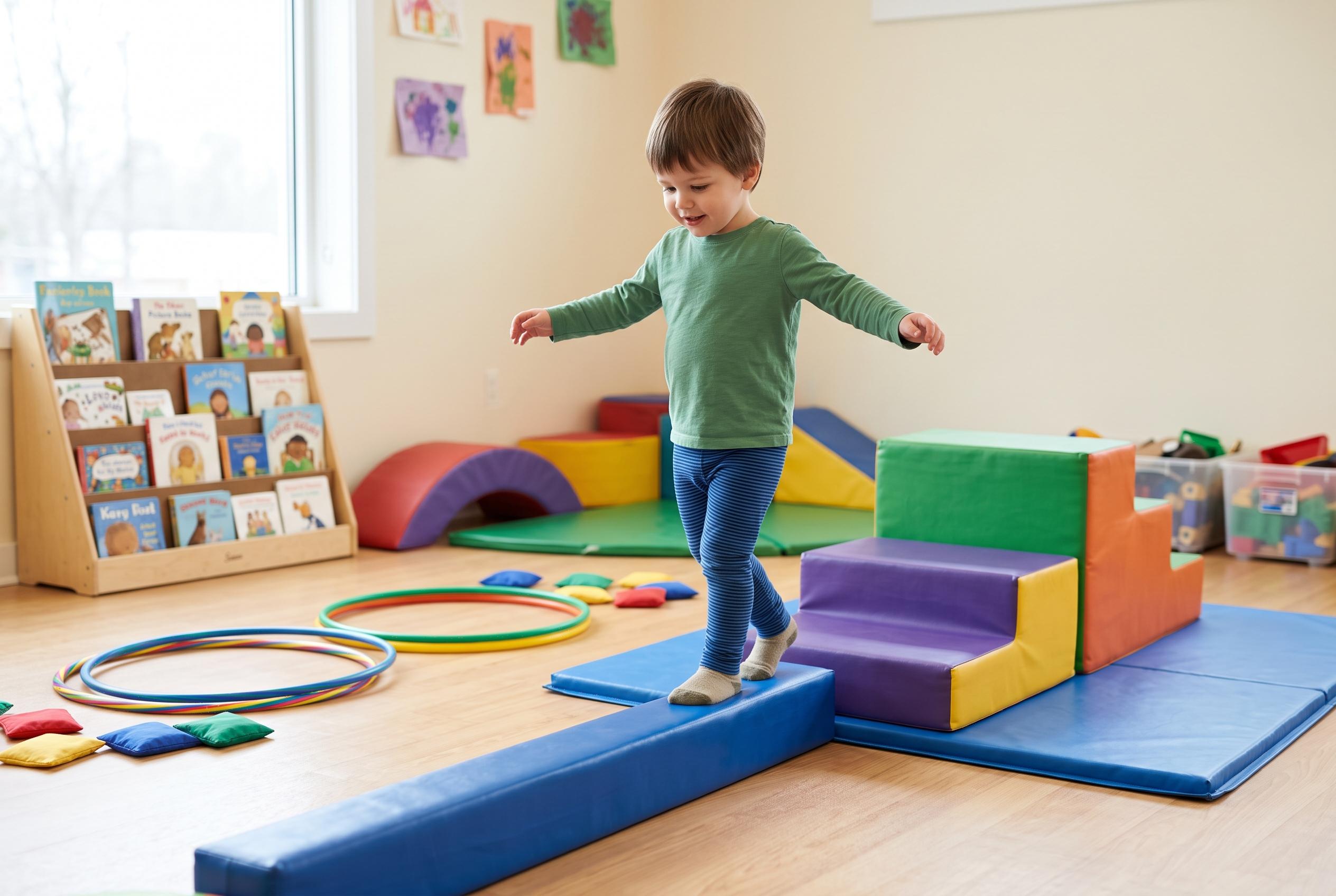

Research shows that fundamental movement skills developed through play in early childhood foster confidence, resilience, and a love of activity, laying the groundwork for lifelong health and well-being, beyond competitive sports.
Parents often hope sport will bring medals, but the more lasting aim is simpler: helping children build the movement skills and confidence to stay active for life. HealthyChildren.org, the American Academy of Pediatrics’ parent site, says many children under six are not yet ready for organised sport and benefit more from play that develops running, throwing, catching and tumbling than from formal competition.
That readiness begins early. Research in the National Library of Medicine’s Educating the Student Body chapter says motor development grows through experience and unfolds in a fairly predictable way as physical, cognitive and social development interact. In practical terms, tummy time, rolling, crawling and walking are not just milestones to tick off; they are the first steps towards balance, coordination and body control. The Open University’s OpenLearn also notes that basic physical competence in the early years lays the groundwork for later development.
From there, the core ingredients are the same across almost any activity: agility, balance and coordination, along with strength. A child who can start, stop and change direction easily will find football, basketball and playground games less daunting. A child who can balance and move smoothly will be better placed for cycling, climbing or dance. And a child who learns to link hands, eyes and feet in play is building the same foundation used in catching, kicking and racket sports.
The best part is that this does not require expensive classes or specialist gear. Free play at the park, simple obstacle courses at home, tag, climbing frames and even carrying light shopping can all help. Movement-focused play also supports more than physical development: recent research and early-years guidance point to benefits for cognition, language, emotional regulation and social learning, suggesting that active play helps children develop the whole child, not just the body.
That wider lesson matters when children move from play to sport. If adults praise effort, progress and teamwork rather than only wins, children are more likely to develop resilience, discipline and good sportsmanship. The result is not just a more capable young athlete, but a child who is more confident trying new things, coping with setbacks and enjoying physical activity well beyond any single season or game.
Disclaimer: This content is for informational purposes only and is not intended to be a substitute for professional medical judgment, advice, diagnosis, or treatment.