

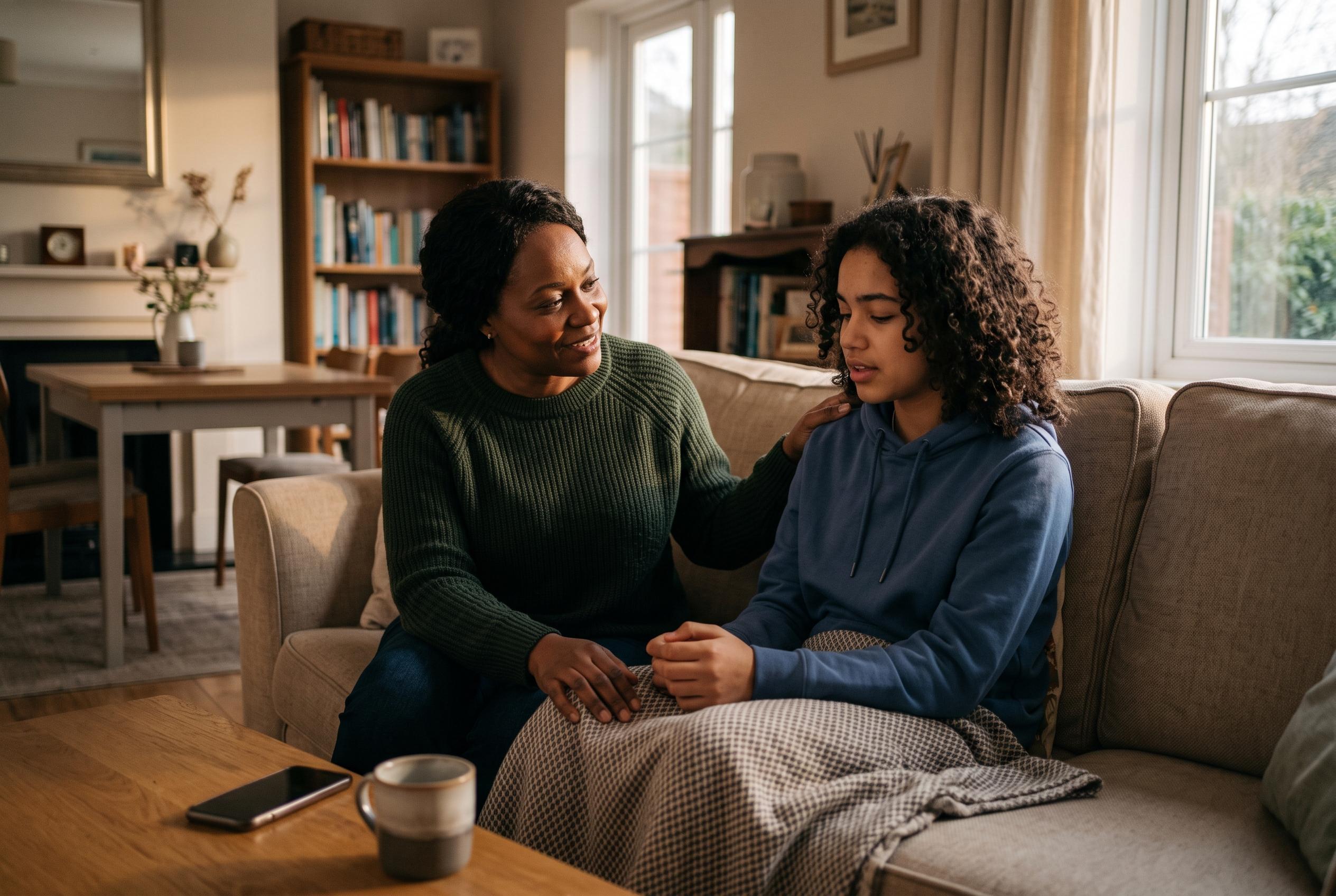

Amidst alarming statistics on adolescent suicide, experts emphasise the vital role of family, peers, and inclusive language in fostering protection and open conversations to prevent tragedy.
A suicide attempt by someone she loved when she was 14 left the writer with a question many families and friends know too well: how can such danger remain hidden until it is too late? That experience now shapes her work in suicide prevention research, where she helps review studies on treatment for suicidal thoughts and self-injury, organise adolescent interview data and check research protocols for compliance. Her point is simple: prevention is not only about crisis response, but about building the conditions in which young people feel connected enough to ask for help before they reach breaking point.
That message is supported by public health data. The Centres for Disease Control and Prevention says suicide was responsible for 48,824 deaths in the United States in 2024, and it remains the second leading cause of death for people aged 10 to 24. The agency also found that nearly 40% of high school students reported persistent sadness or hopelessness, while 20% seriously considered suicide. A separate CDC data set for 2023 found that one in five high school students seriously considered attempting suicide and one in 10 attempted suicide in the previous year. Those figures make clear that this is not a distant or rare problem; it is a youth mental health crisis unfolding in schools, homes and communities.
What stands out across the research is the protective value of connection. CDC analysis has linked school connectedness and parental monitoring with lower levels of poor mental health and suicide-related outcomes. A study published in the Journal of Child Psychology and Psychiatry followed 2,897 teenagers recruited from emergency departments and found that feeling connected to family, peers and school reduced the likelihood of a suicide attempt, even among young people already considered high risk. Another long-running study of more than 13,000 adolescents found that family connectedness protected Black, Hispanic and White boys and girls alike, and that three protective factors, including family ties, cut attempt risk by 70% to 85% across racial and gender groups. A scoping review in the American Journal of Community Psychology also found that peers can play a meaningful role in suicide prevention as gatekeepers, crisis supporters and trusted first contacts.
The language adults use matters too. Research on mental health stigma among adolescents suggests that young people are often less troubled by their own beliefs than by what they think others will think of them. That is one reason advocates increasingly favour saying someone “died by suicide” rather than using language that can sound judgemental or criminalising. The same principle applies to talk about attempts: neutral, person-centred wording can reduce stigma and make it easier for young people to speak honestly about pain, fear and recovery. In a climate where many teenagers already worry about being judged, ordinary conversations can either deepen silence or open the door to help.
The article also points to practical ways young people can help. National groups such as Crisis Text Line, NAMI, The Trevor Project, the American Foundation for Suicide Prevention and the Suicide Prevention Resource Centre offer volunteer pathways, training and research opportunities. Programmes including the Be There Certificate, QPR and Mental Health First Aid teach people how to notice warning signs and respond safely. Youth-led efforts such as Hope Squad, Youth MOVE National and California’s Never a Bother campaign show that prevention is not limited to clinicians or crisis lines. It can also be built in schools, peer networks and policy work, where young people are treated not just as those at risk, but as partners in keeping one another alive.
Disclaimer: This content is for informational purposes only and is not intended to be a substitute for professional medical judgment, advice, diagnosis, or treatment.



