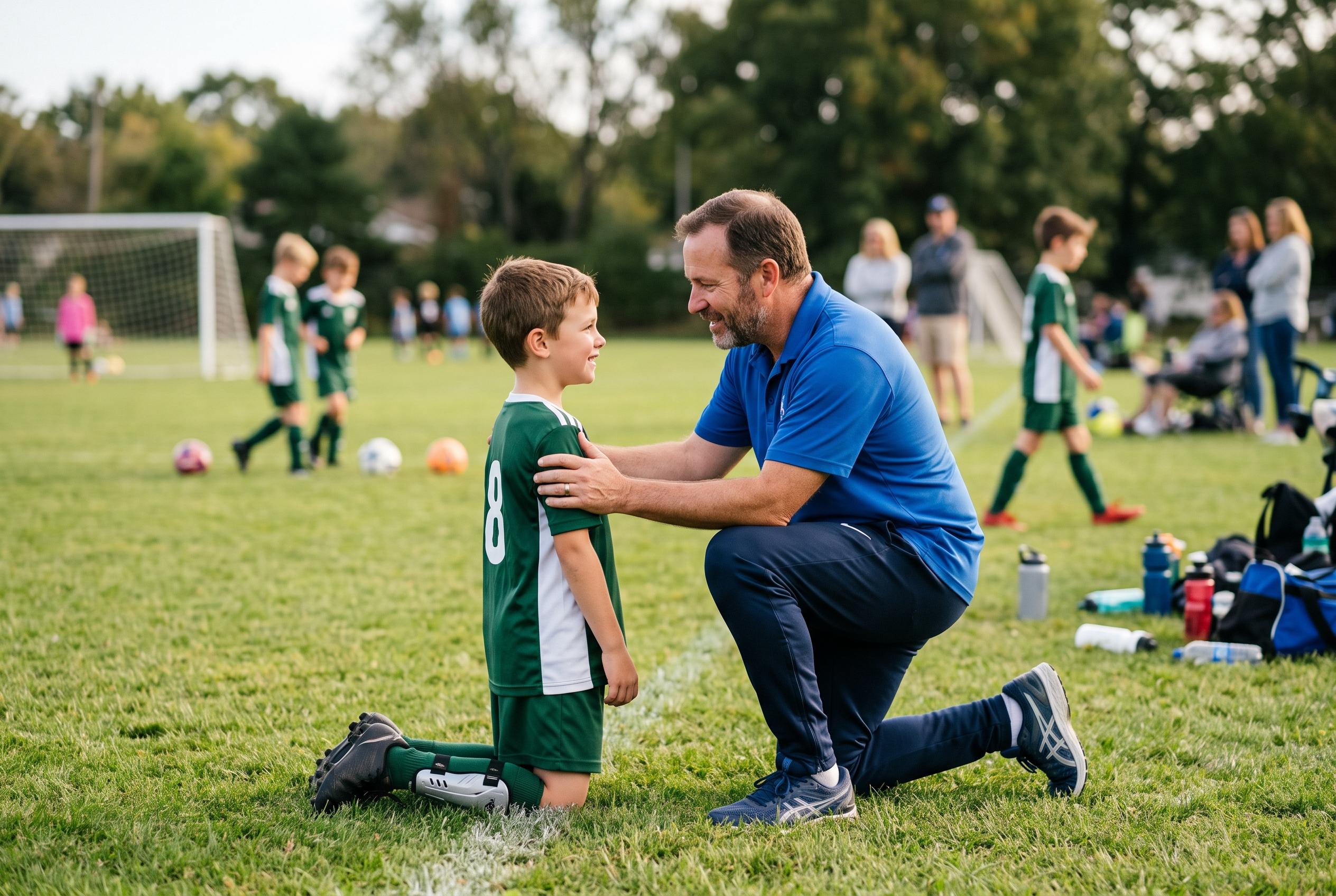

Research highlights the critical role of relational skills in coaching, showing that children are more likely to stay engaged in sport when they feel valued and part of the community, rather than simply focusing on technical drills.
A coach who remembers a child’s name, offers a calm word and makes room for them to belong may be doing more to keep that child in sport than any fancy drill or tactical plan. That is the central argument in the Norwegian opinion piece, which frames the coach’s relationship with young athletes as the decisive factor in whether they stay or drift away.
The timing matters. In Norway, 477,322 children aged six to 12 are members of sports clubs, according to the Norwegian Olympic and Paralympic Committee and Confederation of Sports’ key figures report. But membership in that age group has fallen by more than 5% since 2018, and the number of members aged 13 to 19 is about a third lower. Research summaries from youth sport organisations and academic studies point to a similar pattern elsewhere: around 70% of children in the United States stop playing organised sport by age 13, while a large review of youth football found an annual dropout rate of 23.9% across cohorts in five countries.
What keeps children involved is not only technical progress. Studies cited in the material suggest that young athletes are more likely to remain when they feel they matter, experience competence and believe they belong. Research published in a Sage journal found that the quality of the coach-athlete relationship helps shape a young player’s intention to continue, while another review argued that supportive coaching behaviour can reduce dropout risk. A separate overview of coach education found that training programmes can improve coaching effectiveness and produce positive changes in both coaches and athletes.
The Norwegian writer also argues that relational skill can matter more than technical expertise alone. The point is not that coaches should know less about sport, but that children are unlikely to leave because cones were set out badly; they are more likely to go when they feel ignored, embarrassed or unwelcome. For parents and coaches, the practical lesson is simple: learn names quickly, limit distractions, give specific encouragement, explain expectations clearly and help children feel they are part of the group. In youth sport, belonging is not a soft extra. It is often the reason a child comes back next week.
Disclaimer: This content is for informational purposes only and is not intended to be a substitute for professional medical judgment, advice, diagnosis, or treatment.