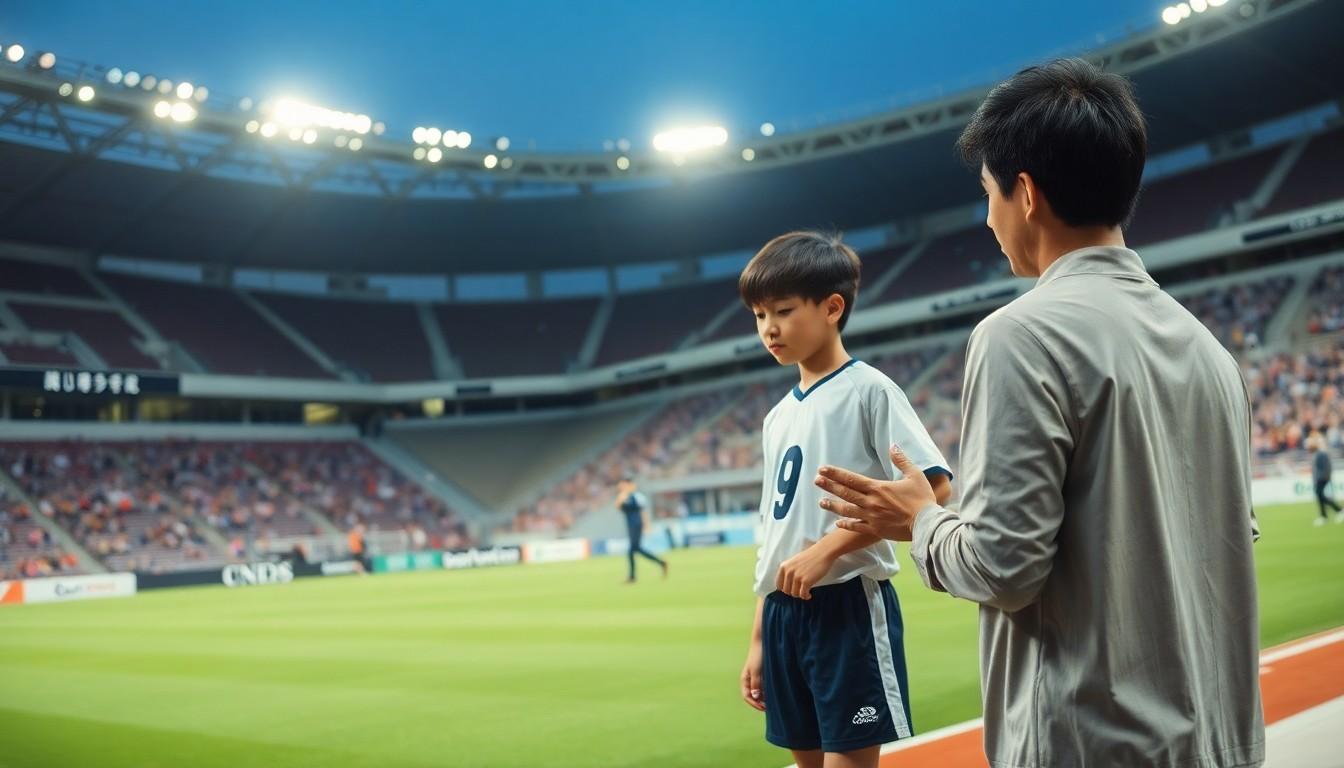

Amid longstanding admiration for Japan’s sporting achievements, recent investigations reveal widespread abuse in youth athletics, prompting calls for urgent reform as Safe Sport Day highlights the need for safer, more inclusive practices.
Japan’s sporting culture has long inspired admiration far beyond its borders, producing unforgettable highs in disciplines from football and tennis to gymnastics, swimming, volleyball, figure skating and wrestling. Yet the route to those triumphs is often paved in childhood, where training can be intense and the line between discipline and harm too easily blurred. In Japanese arenas and schoolyards, supporters may still shout “Ganbare!” and “Donmai!”-expressions that prize effort and resilience over flawless performance-but behind that public ethos, many young athletes face a harsher reality.
That contrast is what gives Safe Sport Day on August 8 its force. Marked internationally since 2020 and recognised by the International Olympic Committee, the day is meant to reinforce a basic principle: sport should be safe, inclusive and accountable for everyone, including children, women and people with disabilities. In Japan, that message lands with particular urgency. A 2020 Human Rights Watch investigation, based on accounts from more than 800 athletes in 50 sports, documented punching, slapping, kicking, choking and sexual harassment. The report called for urgent change in a sporting system that has too often tolerated abuse as part of the price of success.
Research published in Japanese medical literature suggests the problem is deeply embedded in coaching culture. One cross-sectional study of 1,283 youth coaches in Miyagi prefecture found that 64.7% had used verbal abuse and 6.2% physical abuse. A separate study focusing on youth baseball coaches reported even higher levels of verbal abuse, at 74.5%, alongside 6.6% physical abuse. Both studies linked abusive behaviour to having been abused previously, greater acceptance of such conduct and, in one case, longer coaching experience, pointing to a cycle that is being passed from one generation to the next. Breaking that cycle, the research indicates, will require more than slogans: it will demand education, accountability and a clearer understanding that sporting excellence should never depend on fear.
Disclaimer: This content is for informational purposes only and is not intended to be a substitute for professional medical judgment, advice, diagnosis, or treatment.