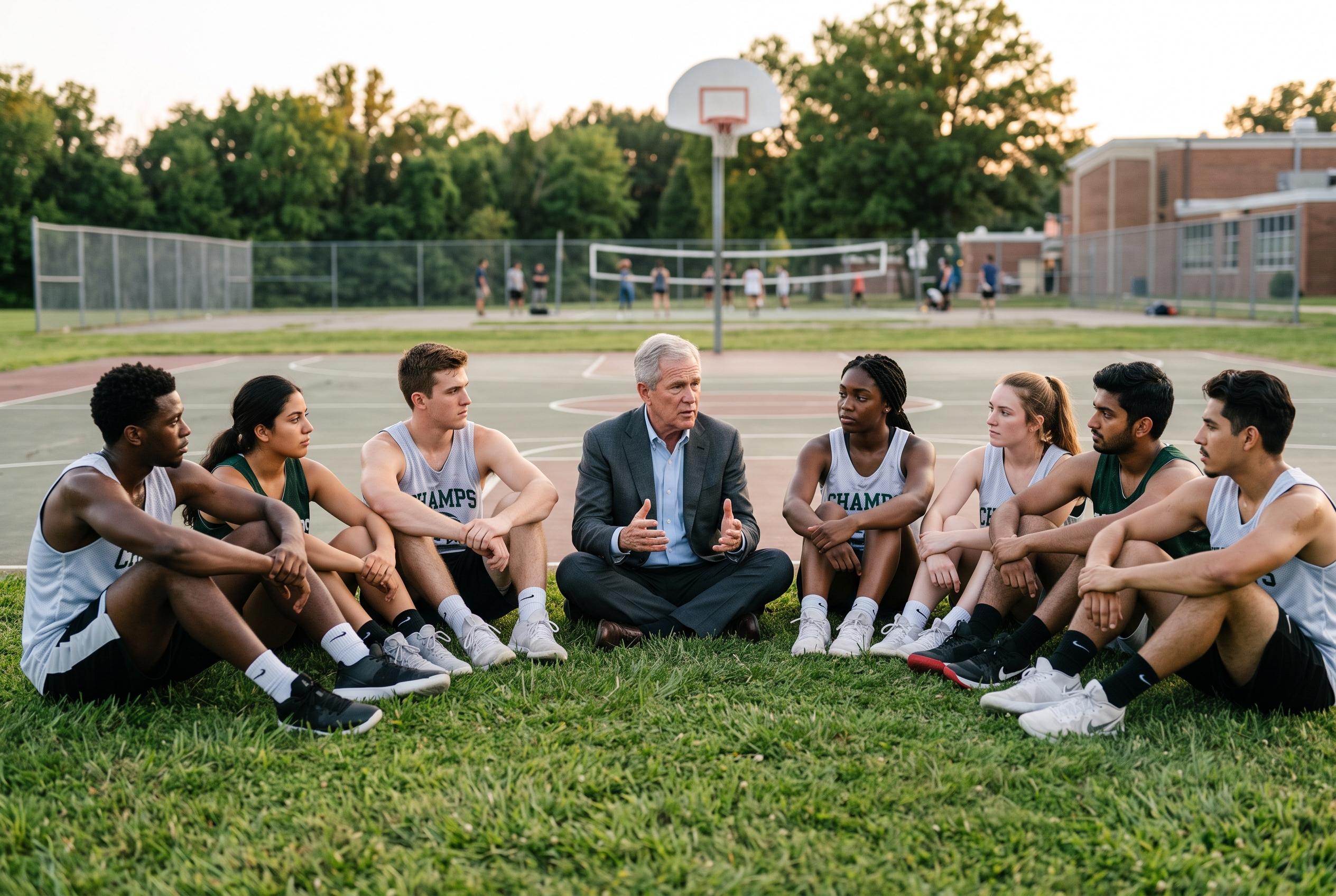

In a 2022 speech to Harvard’s basketball team, Barack Obama emphasised that while sport can teach virtues like patience and perseverance, the real impact on character depends on reflection and deliberate application beyond the game.
Barack Obama once told Harvard University’s basketball team that the game had taught him how to lead by being part of something larger than himself. Speaking to the team in 2022, he said, “There is something extraordinary about hitching your wagon to something bigger than yourself,” and added that while only a few athletes will become stars such as LeBron James or Stephen Curry, many more can carry the habits of sport into leadership roles in health care, business or civil rights. Reports from the time said Obama framed basketball as a lesson in collective purpose rather than individual achievement.
His remarks fit a familiar idea: sport can help shape character. Repeated practice can cultivate virtues such as patience, perseverance and sound judgement, while competition and training can teach athletes how to handle injury, defeat and frustration. It can also bring players into close contact with stronger teammates and harder lessons, creating opportunities to respond with envy, gratitude or emulation.
But character does not automatically improve just because someone plays. Research cited in the article suggests most coaches are not trained specifically to teach character, even though many school sports programmes require safety and performance instruction. In the US, only 8% of states mandate character development and sportsmanship training for coaches, which means the moral side of sport is often left to chance.
The bigger question is whether lessons learned on the court, field or track transfer elsewhere. Philosophers and education researchers describe this as the problem of virtue translation: someone may be patient in one setting and not in another. Whether sport changes wider behaviour appears to depend on how similar the two situations are, which virtue is being developed and whether athletes are encouraged to reflect on how their sporting habits connect to life beyond sport. Without that reflection, the benefits may stay locked inside the game.
Disclaimer: This content is for informational purposes only and is not intended to be a substitute for professional medical judgment, advice, diagnosis, or treatment.