
As digital devices become commonplace, experts emphasise the importance of balancing screen use with hands-on and outdoor play to support children’s cognitive, social, and physical growth, highlighting recent insights into fostering a well-rounded childhood.
Digital devices now sit alongside toys, books and crayons in many homes, but that does not make them the only tools children need. A healthy childhood still depends on time to move, build, pretend, draw, sort, talk and experiment. Childcare.gov says play is central to healthy development, while the American Academy of Pediatrics has long argued that it supports brain growth, confidence and resilience. The point is not to reject technology, but to keep space for the slower, hands-on experiences that screens cannot replace.
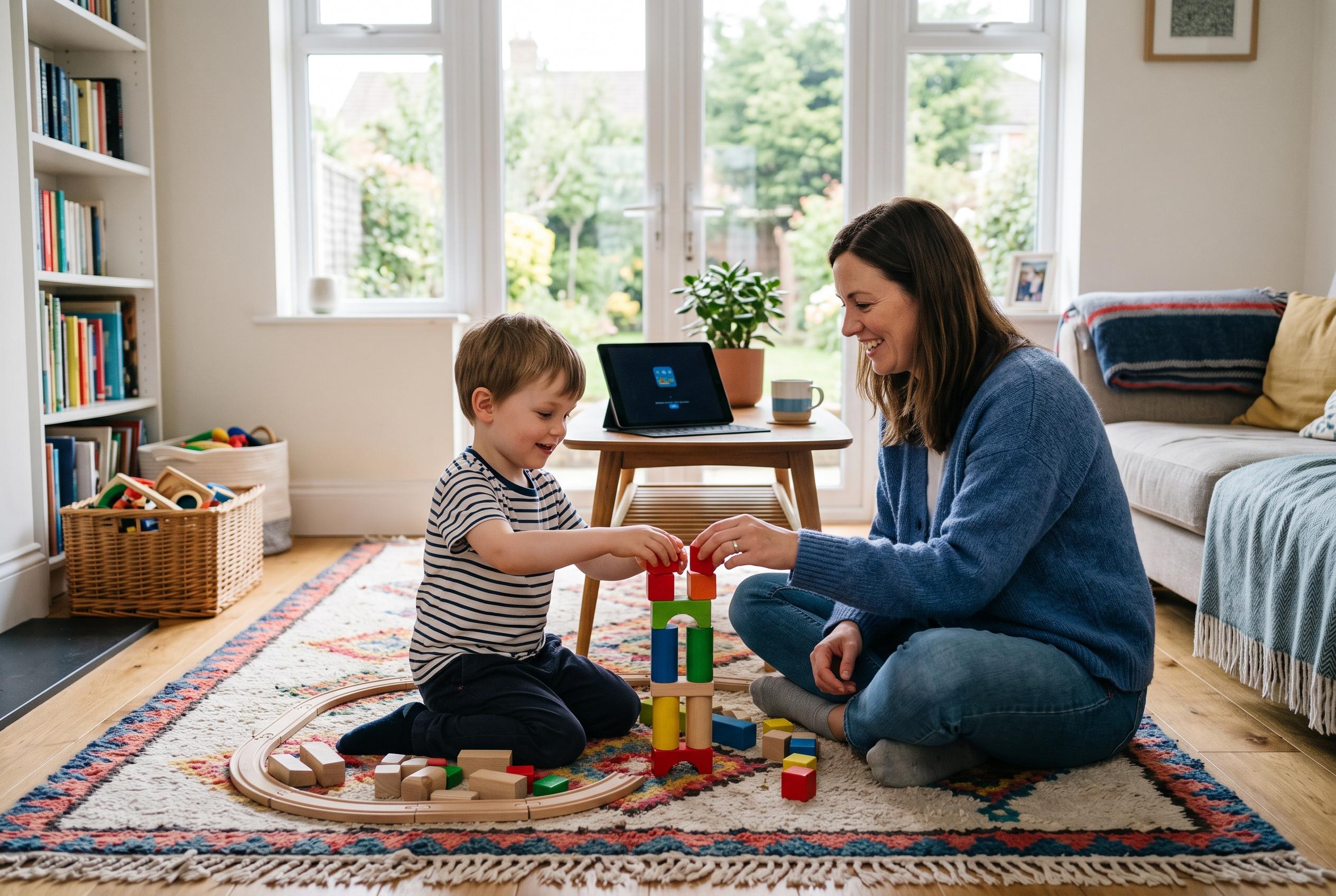
Educational play is at its most powerful when children are active rather than passive. A puzzle can sharpen persistence and visual reasoning. Blocks can introduce balance, shape and planning. Pretend games help children test out language, storytelling and social roles. According to the American Academy of Pediatrics, play also helps children plan, organise, get along with others and regulate emotions. That learning does not have to look formal to be valuable.
One reason screen-free play matters is that it gives attention somewhere to settle. Many digital experiences are built to refresh constantly, with rapid changes in sound, image and reward. By contrast, a child stacking blocks or working through a puzzle has to stay with the task, make decisions and keep going without a new prompt every few seconds. Cleveland Clinic notes that too much screen time can interfere with language development, sleep and physical activity, which makes regular time away from devices especially important.
Physical play also offers sensory information that a screen cannot fully reproduce. Children feel texture, weight, resistance, temperature and balance when they pour water, thread beads or fit shapes together. Those small acts build understanding of the material world and strengthen hand-eye coordination. Outdoor play, construction toys and movement games add whole-body learning, which is particularly important in early childhood when children are still building a sense of how objects behave.
Pretend play deserves particular attention because it turns ordinary objects into open-ended possibilities. A box can become a shop, a rocket or a house; a block can stand in for a phone, a person or a meal. That flexibility encourages symbolic thinking, negotiation and conversation. The American Academy of Pediatrics says play helps children develop language and social skills, and Childcare.gov links both structured and unstructured play to intellectual and emotional growth. Adult support matters here, but it does not have to mean directing every move.
Parents do not need a perfect playroom or a screen-free identity to get the benefits. Simple routines can help: keeping a few materials visible, rotating toys, setting aside screen-free stretches before school or at bedtime, and making room for family games, reading, art and outdoor time. Cleveland Clinic recommends offering alternatives such as reading, outdoor play and family activities to help balance screen use. The aim is a richer childhood, not a stricter one: enough variety that children can enjoy digital tools when they are useful, and still know how to imagine, build, talk and explore when the screen is off.
Disclaimer: This content is for informational purposes only and is not intended to be a substitute for professional medical judgment, advice, diagnosis, or treatment.