

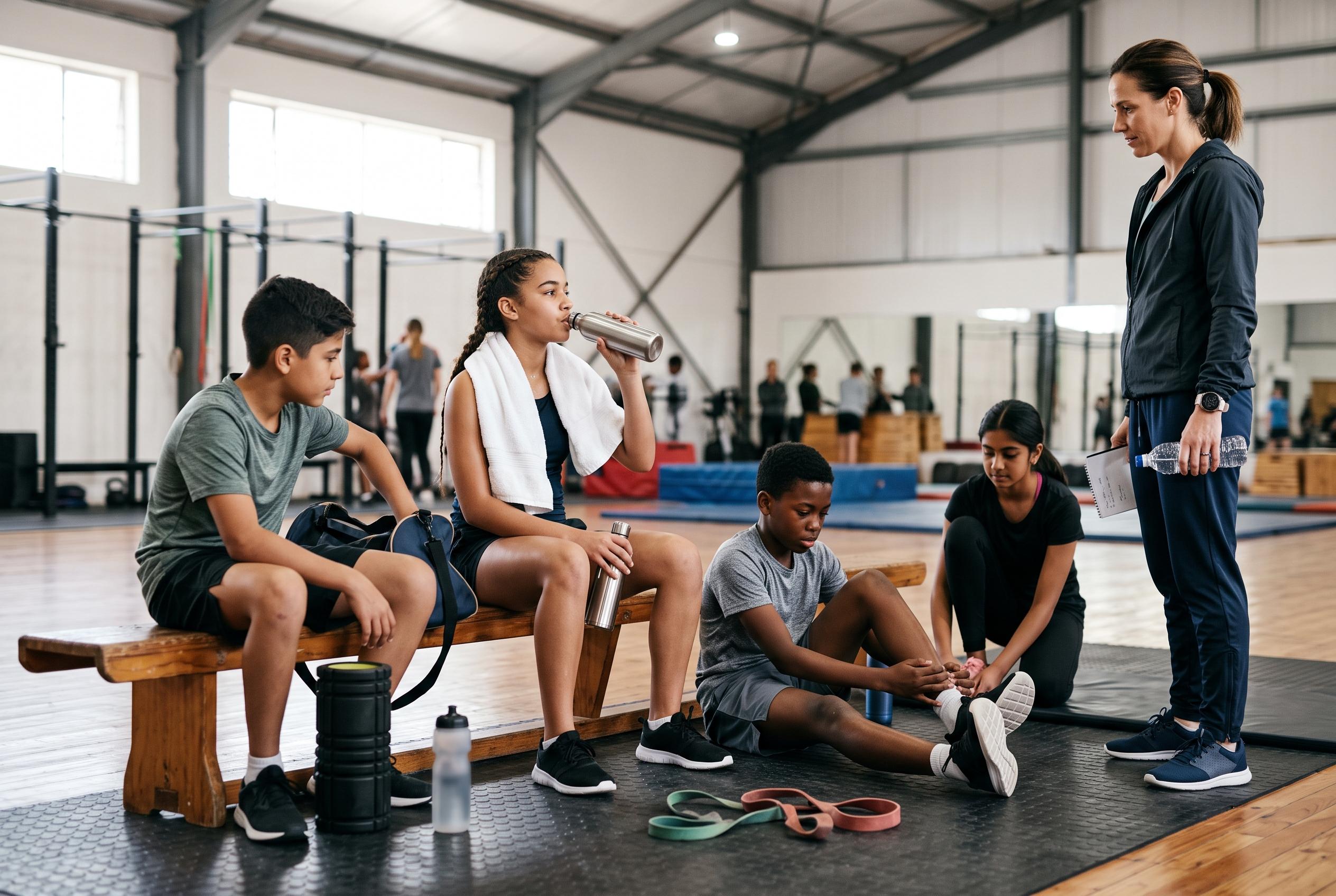

As children progress into adolescence, the fine line between beneficial sports participation and dangerous overtraining becomes more precarious, spotlighting the importance of recognising warning signs and prioritising recovery.
Children benefit enormously from sport, but the line between healthy activity and too much can be surprisingly thin. Sally Maple, writing for Port Melbourne Physiotherapy, argues that the real issue is not whether a young person is active enough, but whether their body can recover from the amount and intensity of training they are taking on. That question matters more as children enter adolescence, when growth, competition and rising training loads often arrive at the same time.
The risk is that a young athlete’s body may be asked to do more than it can safely absorb. Maple explains that soft tissue injuries involve muscles, tendons and ligaments, and that in young athletes many problems develop gradually rather than through one obvious incident. The American Academy of Pediatrics has long warned that repetitive stress without enough recovery can lead to overuse injuries, including damage to bones as well as soft tissues. Its guidance also advises avoiding training or organised play on more than five or six days a week and building in time away from a single sport.
Overuse can be easy to miss at first. A child may complain only of a niggling ache after training, then seem fine once they have warmed up again. But according to HealthyChildren.org, the American Academy of Pediatrics’ parent-facing site, recurring soreness, strain injuries, sprains and even stress fractures can follow if the workload keeps rising without rest. Maple notes that common trouble spots include the knees, Achilles tendon, calves, shins and shoulders, as well as growth-related conditions such as Osgood-Schlatter’s disease and Sever’s disease.
The warning signs are often broader than pain alone. A young athlete who is getting slower, feeling exhausted, losing interest, struggling to recover or picking up the same injury repeatedly may be doing too much. Maple says that training load is shaped not just by hours on the field, but by intensity, competition, extra gym work, school sport and sudden jumps in activity. In other words, two children can train for the same length of time and place very different demands on their bodies.
HealthyChildren.org and the American Academy of Pediatrics both recommend variety, rest and gradual progression rather than year-round specialisation in one sport. That message is especially relevant for families juggling club training, school teams and private coaching. Maple stresses that recovery is part of training, not time lost from it. Sleep, food, easier sessions and genuine rest days all help growing bodies adapt, while unrelenting schedules can tip a child from healthy challenge into burnout or injury.
For parents and coaches, the practical question is not how many hours a child should play, but whether the weekly load is sustainable. Persistent pain, worsening fatigue, a drop in performance, reduced enthusiasm and repeated injuries are all signs that something needs to change. The safest approach is to notice problems early, reduce the load before pain becomes entrenched and seek assessment when symptoms do not settle. Done well, sport can still deliver fitness, confidence and enjoyment without asking too much of a body that is still developing.
Disclaimer: This content is for informational purposes only and is not intended to be a substitute for professional medical judgment, advice, diagnosis, or treatment.



