

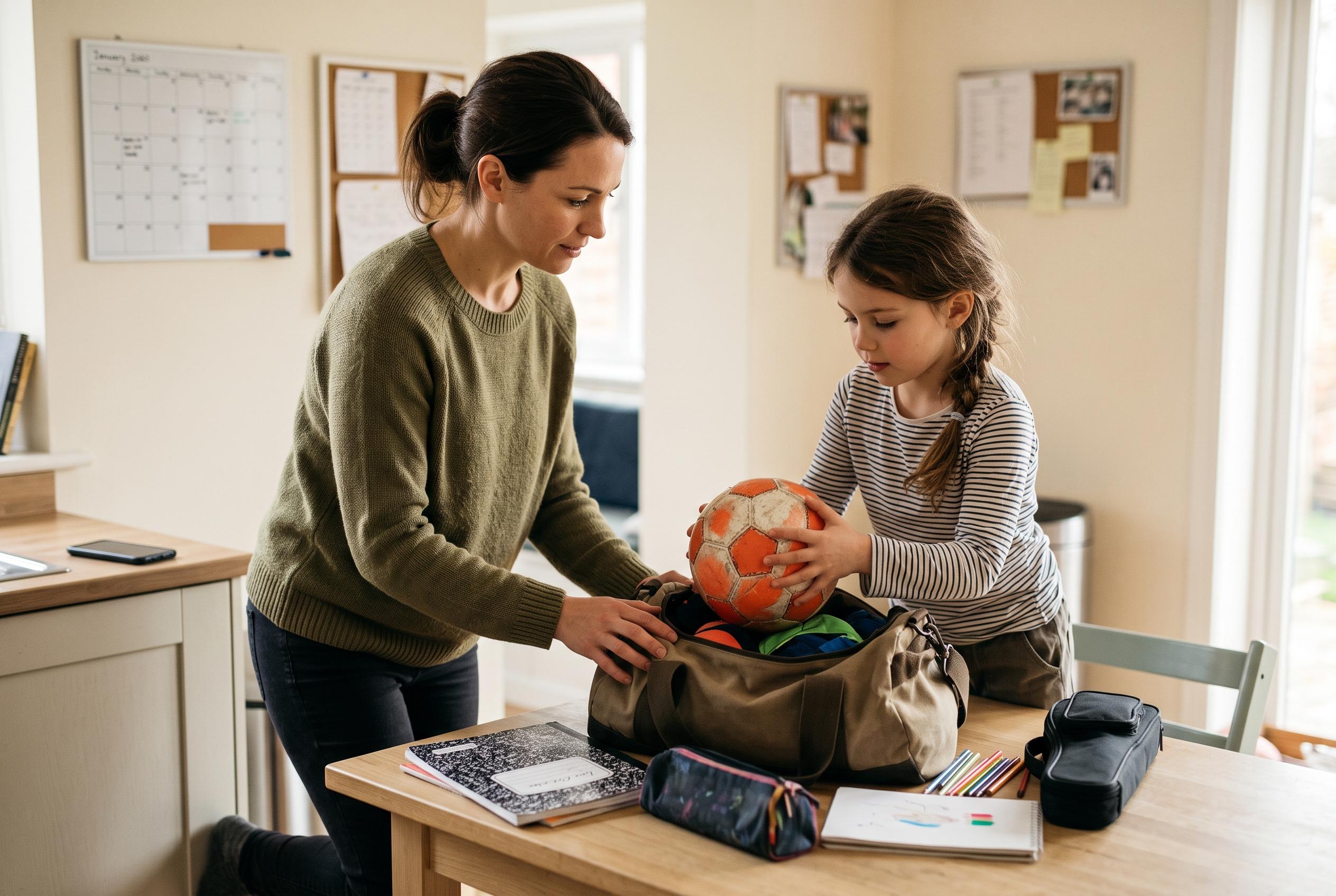

Experts highlight the importance of selecting suitable extracurricular activities for children, emphasising their role in social, emotional, and practical growth while warning against overcommitment.
Extra-curricular activities can do far more than fill time after school. According to Diario de Sevilla, child psychologist Javier de Haro argues that, when they are chosen sensibly and do not overwhelm family routines, they can give children a valuable chance to learn, socialise and grow beyond the classroom. He says they are especially useful when they do not become a source of stress and when they fit the child’s age and needs.
The strongest gains often come in social development. As WebMD notes, clubs, sports and other group activities can help children mix with peers, practise teamwork and build healthier habits. GreatSchools adds that this kind of participation can support emotional and cognitive growth as well, while also helping children develop resilience and a stronger sense of self-worth.
There is also a practical lesson in simply stepping into a new setting. De Haro says that leaving the familiar school environment encourages adaptability and helps children become more independent. That view is echoed by Wilson College, which says activities outside the classroom can strengthen social skills and physical health, while also giving children useful experiences they may carry into later life.
For many families, the challenge is not whether to sign a child up, but how much is too much. Too many commitments can leave children tired and cut into time for rest, free play and family life. That concern fits with De Haro’s broader advice on child development, which has also included encouraging frustration tolerance and emotional resilience rather than trying to remove every difficulty from a child’s path.
A good choice, parents are advised, is one that the child has helped select. De Haro recommends involving children in the decision and accompanying them at the start so they can settle in with confidence. The aim, the psychologists quoted across these reports suggest, is not to create a packed timetable, but to offer children opportunities to discover talents, build confidence and learn how to cope with the wider world.
Disclaimer: This content is for informational purposes only and is not intended to be a substitute for professional medical judgment, advice, diagnosis, or treatment.



