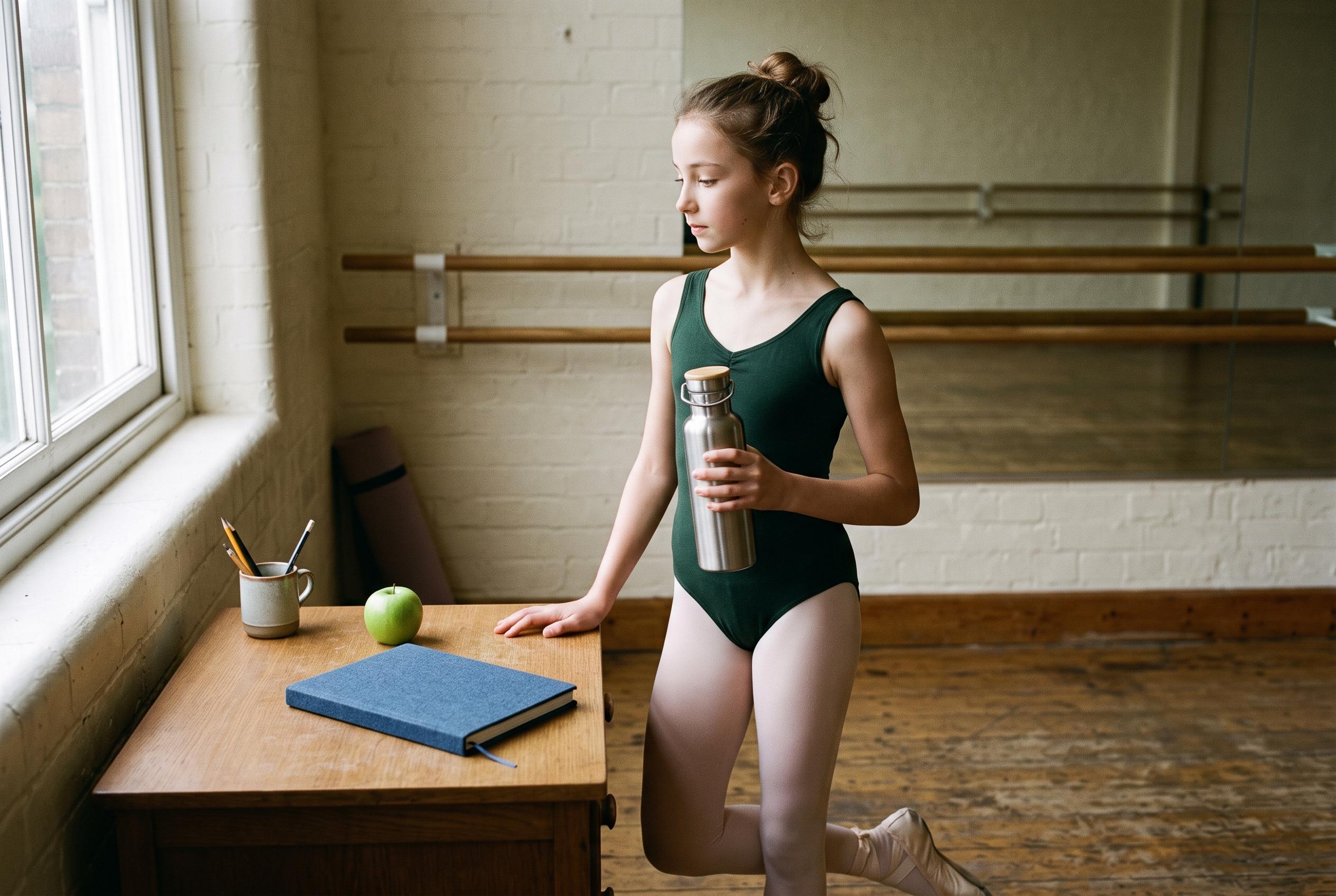

As the school year resumes, dancers face the challenge of balancing training, academics, and nutrition. Experts advise practical planning, flexible routines, and mindful eating to support energy, injury prevention, and overall well-being during this busy transition.
As the new school term begins, dancers are often trying to balance classes, rehearsals, performances and homework at once. For those coming home from summer intensives, the shift can be even tougher, with tired bodies, persistent niggles and disrupted routines adding to the strain. August is often a demanding month for dance dietitians, with many seeing young performers who are running low on energy, eating inconsistently or coping with overuse injuries such as stress fractures.
The simplest safeguard is planning. When days become crowded, it is easy for meals to slip and for hunger cues to fade into the background. Rather than aiming for perfection, dancers benefit from mapping out when breakfast, lunch, snacks and an evening bite will realistically fit, especially on days that include travel straight from school to the studio.
Snacking matters too, particularly when lunch is rushed or too small to last through an afternoon of classes. Dietitians who work with dancers regularly recommend portable options that combine carbohydrates with protein or fat, such as yoghurt and granola, fruit with nuts or seeds, crackers and cheese, sandwiches, trail mix or a granola bar paired with another food. Other commonly suggested choices include fruit with nut butter, Greek yoghurt, hard-boiled eggs, hummus with vegetables and mini bagels. The aim is to prevent the late-day energy dip that often follows long gaps between meals.
This is also a useful moment to reassess food rules that may have developed over the summer. Intensive training, auditions and performance pressure can push dancers towards rigid thinking about “good” and “bad” foods, or even whole-food-group cut-outs. That sort of restriction can make eating more stressful, not less. A steadier approach is to focus on variety and consistency, using foods from across the spectrum: grains, fruit, vegetables, dairy or fortified alternatives, legumes, proteins and fats.
That does not mean obsessing over every plate. Nutrition for dancers is about patterns over time, not flawless individual meals. A supportive routine leaves room for convenience, culture, enjoyment and the reality of a busy life. For dancers who are struggling to eat enough, recovering from injury or feeling overwhelmed by food decisions, professional guidance from a registered dietitian can help build a plan that fits both training and school.
Small practical tools can make the transition easier, too. A compartmented dance bag, reusable snack pouches, a water bottle, a planner, noise-cancelling headphones, a phone charger and a basic self-care kit can all reduce friction on packed days. With winter performances and Nutcracker auditions often approaching soon after term starts, getting organised now may help dancers feel more prepared for the months ahead.
Disclaimer: This content is for informational purposes only and is not intended to be a substitute for professional medical judgment, advice, diagnosis, or treatment.