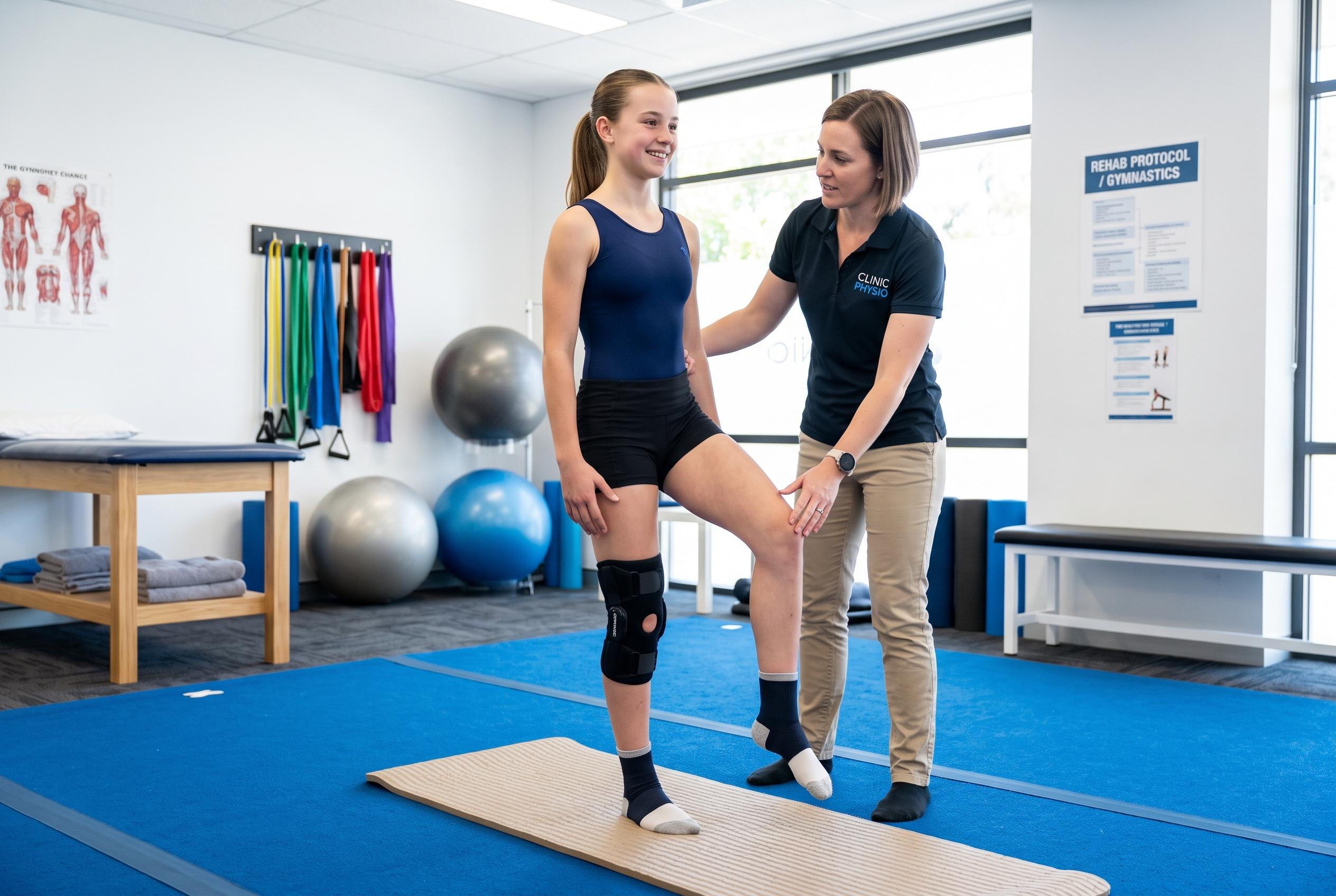

Expert insights reveal how missteps such as isolating injured athletes and rushing back to full training can hinder recovery, emphasising the importance of structured, athlete-centred protocols for safer return to the sport.
In gymnastics, the injury itself is often only part of the problem. What happens afterwards can shape whether a young athlete comes back stronger, drifts away from the sport, or simply feels forgotten. Dave Tilley, a physical therapist and strength coach who works with gyms across the United States, argues that the most damaging mistakes are rarely made out of cruelty. More often, they come from fear, confusion or a lack of a clear plan.
The first mistake is allowing gymnastics to become the whole identity. When a child is told, even indirectly, that she is valuable only as an athlete, an injury can feel like a personal collapse rather than a temporary setback. Tilley says coaches and parents should make it routine to talk about school, friendships and interests outside the gym, so that an athlete knows her place in the group does not depend on being on the competition floor. That matters particularly in a sport where stress fractures, sprains, tears and other overuse injuries are common, according to the American Orthopaedic Society for Sports Medicine and OrthoInfo.
A second error is isolating injured gymnasts from their teammates. Too often, a child is placed in a corner with a rehabilitation sheet while practice continues around her. That may be efficient, but it can leave the athlete feeling exiled from the very community that gives the sport meaning. Cleveland Clinic says maintaining activity in some form during recovery can help preserve fitness and support a safer return, and Tilley argues that injured athletes should stay in the room, keep some role in practice and remain part of team routines wherever possible.
The third problem is assuming that injury means total inactivity. Specialists in sports medicine and rehabilitation generally recommend controlled movement, alternative conditioning and a gradual rebuild rather than an all-or-nothing approach. Cleveland Clinic advises gymnasts recovering from injuries to work with physical therapists and to keep fit through other exercises, while Tufts Now notes that physical therapy can help athletes manage both acute injuries such as ankle sprains and chronic overuse problems such as tendinitis. Tilley’s view is that almost every injury leaves some part of the body available to train, whether that means upper-body work after a lower-body injury, or strength and flexibility work that avoids the damaged tissue.
The fourth mistake is making the athlete the messenger between adults. A gymnast should not have to interpret restrictions from a doctor, explain them to a coach and then reassure a parent that everything is fine. That responsibility belongs to the adults around her. A clearer system, Tilley says, means direct communication between coach, parent and clinician, ideally with written updates or a shared return-to-play plan. Research on gymnastics return-to-sport protocols also supports a structured approach, because different injuries and different events place different demands on the body.
The final mistake is treating medical clearance as a green light for full training. Clearance usually means the injured tissue can tolerate loading, not that the athlete is ready for the volume and intensity of normal gymnastics. The American Orthopaedic Society for Sports Medicine recommends careful preparation, including warm-up, stretching and vigilance against overtraining, while return-to-sport research in female developmental gymnasts stresses the need for event-specific, level-specific progressions. Tilley says the safer approach is a staged ramp back: basics before skills, drills before routines, and careful monitoring of soreness and fatigue over time. In a sport where injuries are frequent and the pressure to return can be intense, that patience may be the difference between recovery and relapse.
Disclaimer: This content is for informational purposes only and is not intended to be a substitute for professional medical judgment, advice, diagnosis, or treatment.