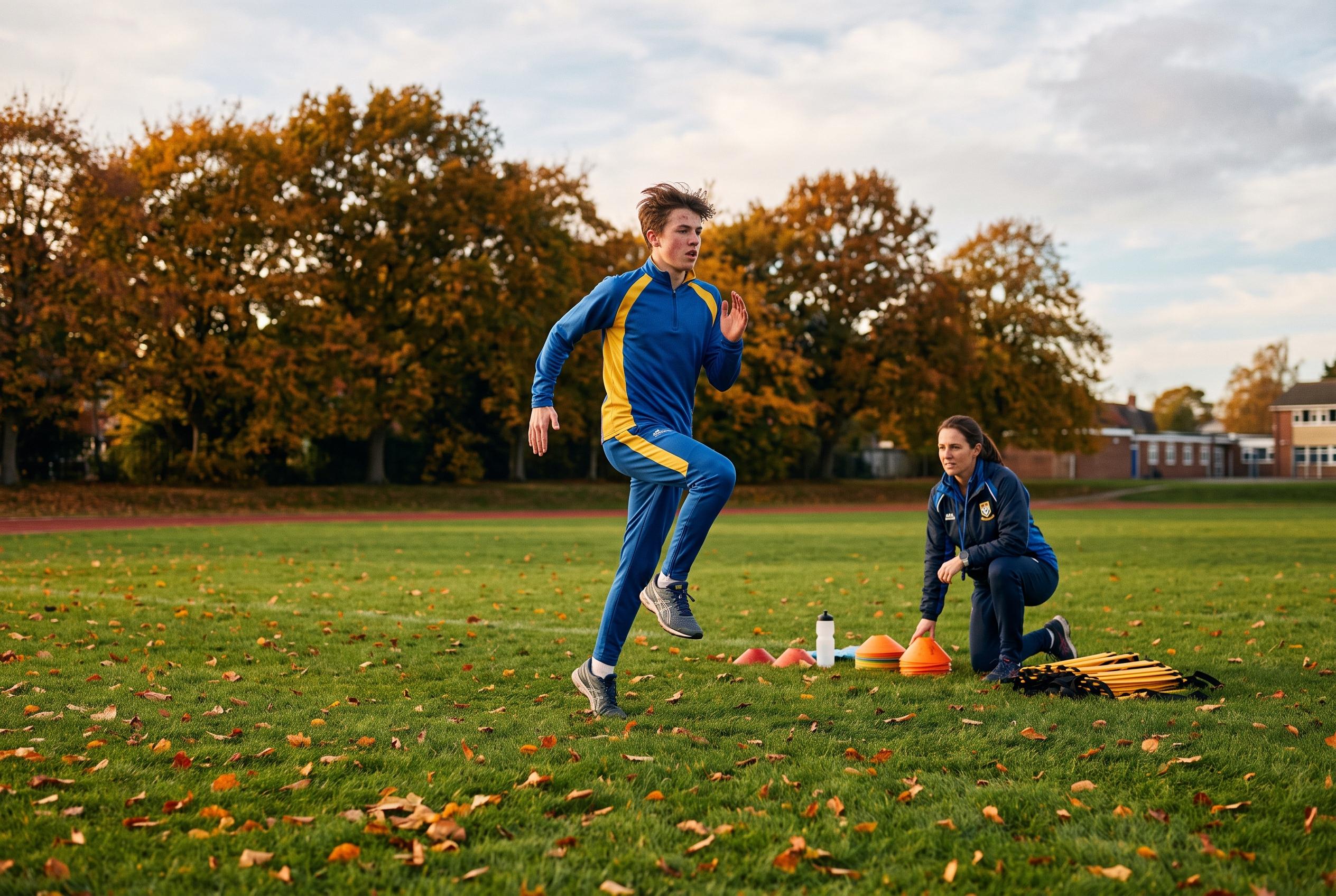

As the new sports season begins, experts warn of a surge in injuries among young athletes, emphasising the importance of proper training, recognition of subtle pain signals, and early intervention to safeguard children’s growth and wellbeing.
As autumn sport gets under way, parents often focus on kits, schedules and try-outs. But for young athletes, the start of the season also brings a sharp rise in injuries, especially when a child goes from a quiet summer to daily training without much build-up. The main concerns fall into two groups: sudden injuries such as sprains, strains, fractures, dislocations and concussion, and slower-developing overuse problems that appear when the body is asked to do more than it can recover from.
Children are not merely smaller versions of adults. According to orthopaedic specialists, their growth plates, the softer areas of developing cartilage near the ends of bones, are more vulnerable than mature bone to both impact and repeated strain. During growth spurts, bones can lengthen faster than muscles and tendons adapt, which can temporarily affect flexibility, balance and movement. That means pain in a growing athlete should not be dismissed as ordinary soreness.
The warning signs are often subtle at first. Persistent pain, swelling, limping, a joint that gives way or locks, tenderness over a bone, night pain, or a drop in performance all deserve attention. So do changes in technique, such as a shortened stride, avoiding one leg or dropping a throwing arm. The American Academy of Orthopaedic Surgeons has also urged families to watch for overuse injuries, which can build up when a child repeats the same motions week after week without enough recovery.
Injury patterns vary by sport. Soccer and football tend to produce more sprains and collisions, while cross-country and other running sports are more closely linked with stress reactions and stress fractures. A study cited by Nationwide Children’s Hospital found an estimated 1.6 million soccer-related injuries treated in U.S. emergency departments between 1990 and 2003, underscoring how common these problems can be in youth sport. For concussion, the rule is stricter: the athlete should be taken out of play at once, must not return the same day and should be assessed by a qualified clinician.
Prevention is largely about managing load. The AAOS recommends preseason physicals, gradual increases in training, proper warm-ups, fitted equipment, regular rest days and breaks from single-sport specialisation. It also matters whether children feel able to speak up early, before a small issue turns into a longer lay-off. When pain is ignored, a minor injury can become a bone stress problem, a joint injury or a season-ending setback.
For families seeking care, New York Bone & Joint Specialists says its sports medicine team evaluates both acute and overuse injuries, with same-week appointments at its Upper East Side and Midtown offices and walk-in orthopaedic urgent care for sudden injuries. For parents, the broader lesson is simple: youth sport should build confidence and fitness, not require children to play through pain.
Disclaimer: This content is for informational purposes only and is not intended to be a substitute for professional medical judgment, advice, diagnosis, or treatment.