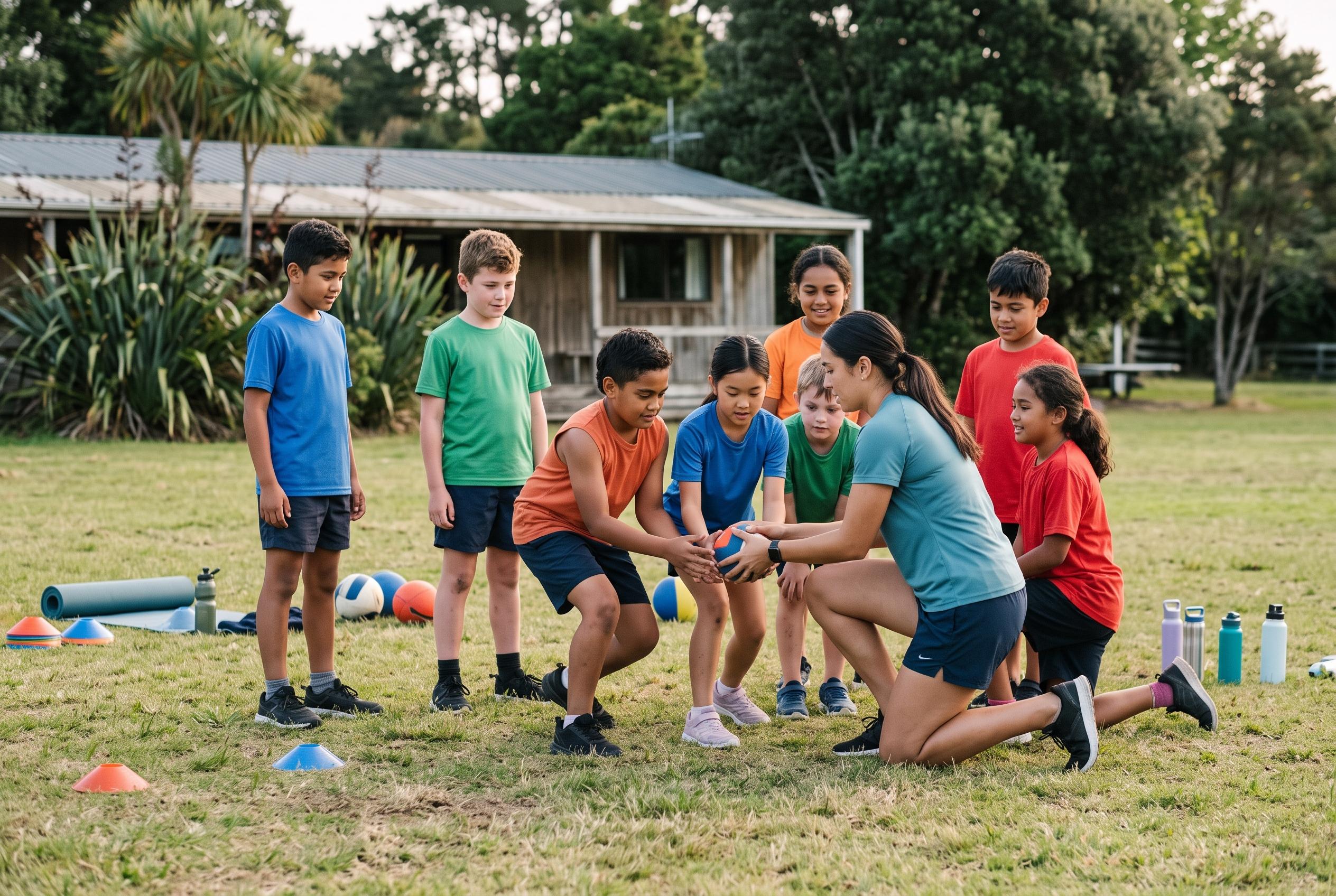

A subsidised sports camp programme at Camp Adair in Auckland aims to make outdoor experiences accessible and empowering for all young people, emphasising teamwork, confidence, and new sports beyond traditional competition.
Hundreds of Auckland students are spending September away from classrooms and screens as a subsidised sports camp programme at Camp Adair seeks to make outdoor experiences more accessible, confident and inclusive. The Y says the four-week initiative is running alongside the Zespri AIMS Games, but its aim is broader than identifying standout athletes: it is designed to give rangatahi a chance to participate, try new activities and build trust in their own abilities.
According to The Y, the camps are now in their fifth year and have been shaped around barriers identified in Active NZ research, particularly time, cost and confidence. Schools choose students who are likely to benefit most, rather than simply selecting the strongest competitors, which means the programme can reach young people who might never make a representative team or travel to a major tournament. Rebecca Russell, chief executive of The Y, said real-world experiences matter because they help young people connect, cope with challenge and discover strengths they did not know they had.
The programme’s appeal lies partly in its range. Alongside familiar team sports such as basketball, netball, rugby and football, students can take part in kī-o-rahi, lacrosse, mountain biking, archery, climbing and Camp Adair’s confidence course. The Y says the mix is intentional, giving children and teenagers a chance to encounter sports they may never have tried before. It says the approach is working: in feedback gathered from students earlier this year, 94% said they had experienced a new sport they wanted to try again.
Competition still has a place, but it is not the only measure of success. One of the programme’s most valued awards is the Fair Play Cup, which recognises teamwork, encouragement and respect rather than victory alone. Ōtāhuhu Intermediate School, which takes part in the camp, says the experience gives selected students the chance to represent their school while building confidence, resilience, independence and school pride.
The Y says affordability remains central to the model. Families and schools are facing financial pressure, so participation is subsidised through fundraising and support from Grassroots Trust and other partners. That, Russell argues, should mean a young person’s background does not decide whether they get access to an experience that could change how they see themselves.
Camp Adair itself gives the programme a long history. The site, which The Y says has served young people since 1913, sits on about 100 acres near the Hunua Ranges and is one of New Zealand’s oldest and largest outdoor camps. The organisation also links the sports camps to a wider youth-development effort that includes fashion and music programmes, all intended to create belonging, purpose and aspiration. In that sense, the biggest success may not be a result on a scoreboard, but a student heading home more confident than when they arrived.
Disclaimer: This content is for informational purposes only and is not intended to be a substitute for professional medical judgment, advice, diagnosis, or treatment.