

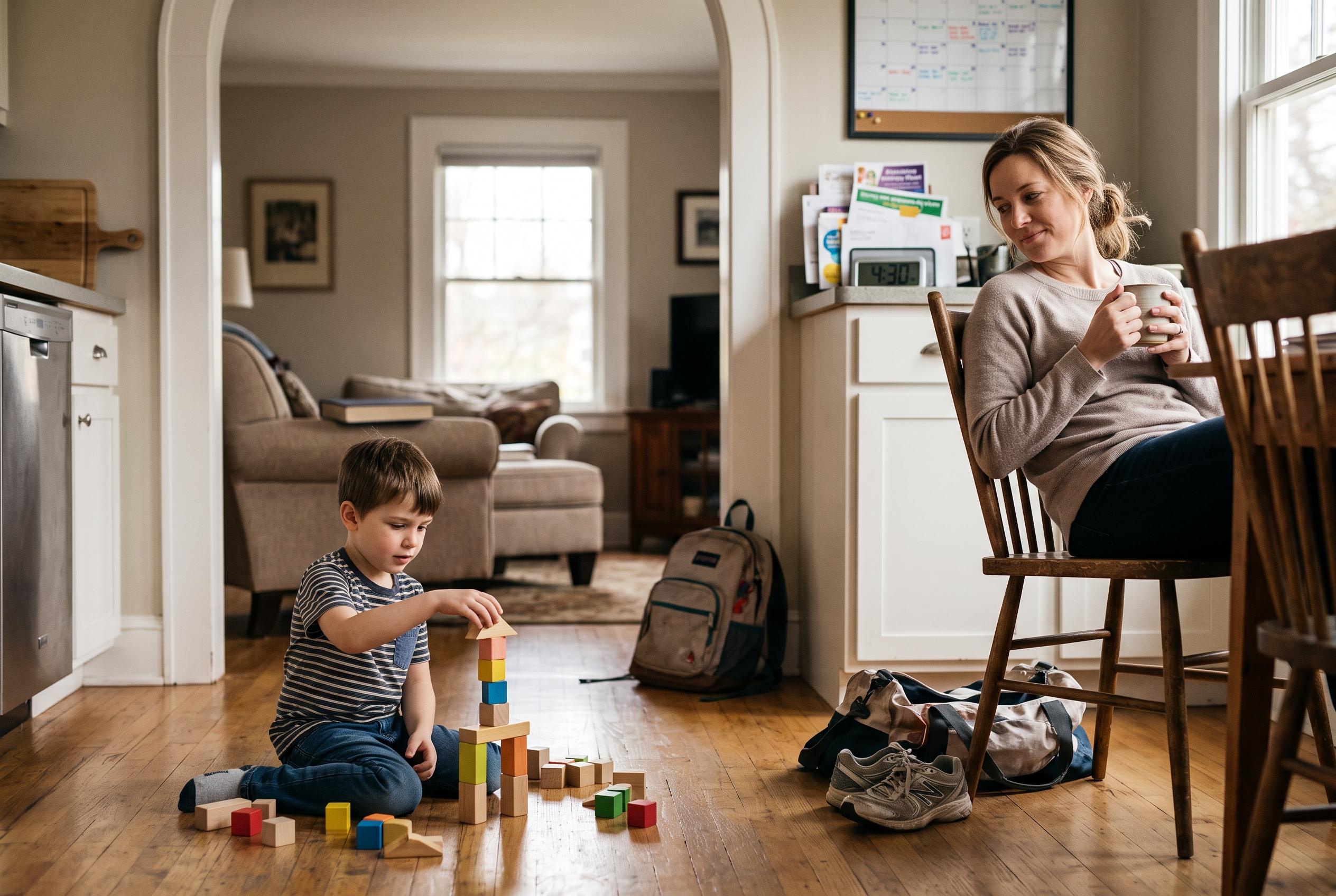

A new episode of “Parental Control” explores whether organised activities are crowding out essential rest and play for children, highlighting the importance of unstructured time for healthy development amid rising concerns over overscheduling.
Families often treat after-school clubs as a basic part of modern childhood, but a new episode of “Parental Control” asks whether that instinct has gone too far. Ellie Thompson speaks with education expert Katharine Radice about how many organised activities children really need, and whether adults are sometimes filling every spare moment out of their own anxiety rather than their child’s needs. The discussion centres on a familiar tension for parents: encouraging enrichment without turning childhood into a timetable.
Radice, who has more than 20 years’ experience working with teenagers and families, brings both classroom knowledge and wider pastoral insight to the conversation. According to the podcast’s notes, she has advised schools in the UK and internationally and combines teaching, coaching and consultancy with roles at a Cambridge secondary school and Gonville and Caius College, Cambridge. That background gives the episode a practical edge, especially on the question of when extra activities help a child grow and when they start to crowd out rest, play and family life.
The episode also explores a less fashionable idea: that boredom has value. Thompson and Radice discuss free play, unstructured time and the warning signs that a child may be doing too much. The conversation reflects a broader concern that children can become overscheduled before they are old enough to recognise the pressure themselves. Rather than treating every empty slot as wasted time, the episode suggests that downtime can be a healthy part of development.
Radice’s wider work follows the same theme. Her book, “The Parent’s Guide to Exam Stress”, is aimed at helping parents support children from Year 7 through to A levels, with practical advice on managing stress, improving study habits and having more constructive conversations about school. Publishers say it also draws on her understanding of adolescent development and academic pressure, while booksellers note that it is available in print and audio formats. Taken together, the episode and the book point to a consistent message: children may not need more and more to do, but more room to breathe.
Disclaimer: This content is for informational purposes only and is not intended to be a substitute for professional medical judgment, advice, diagnosis, or treatment.



