

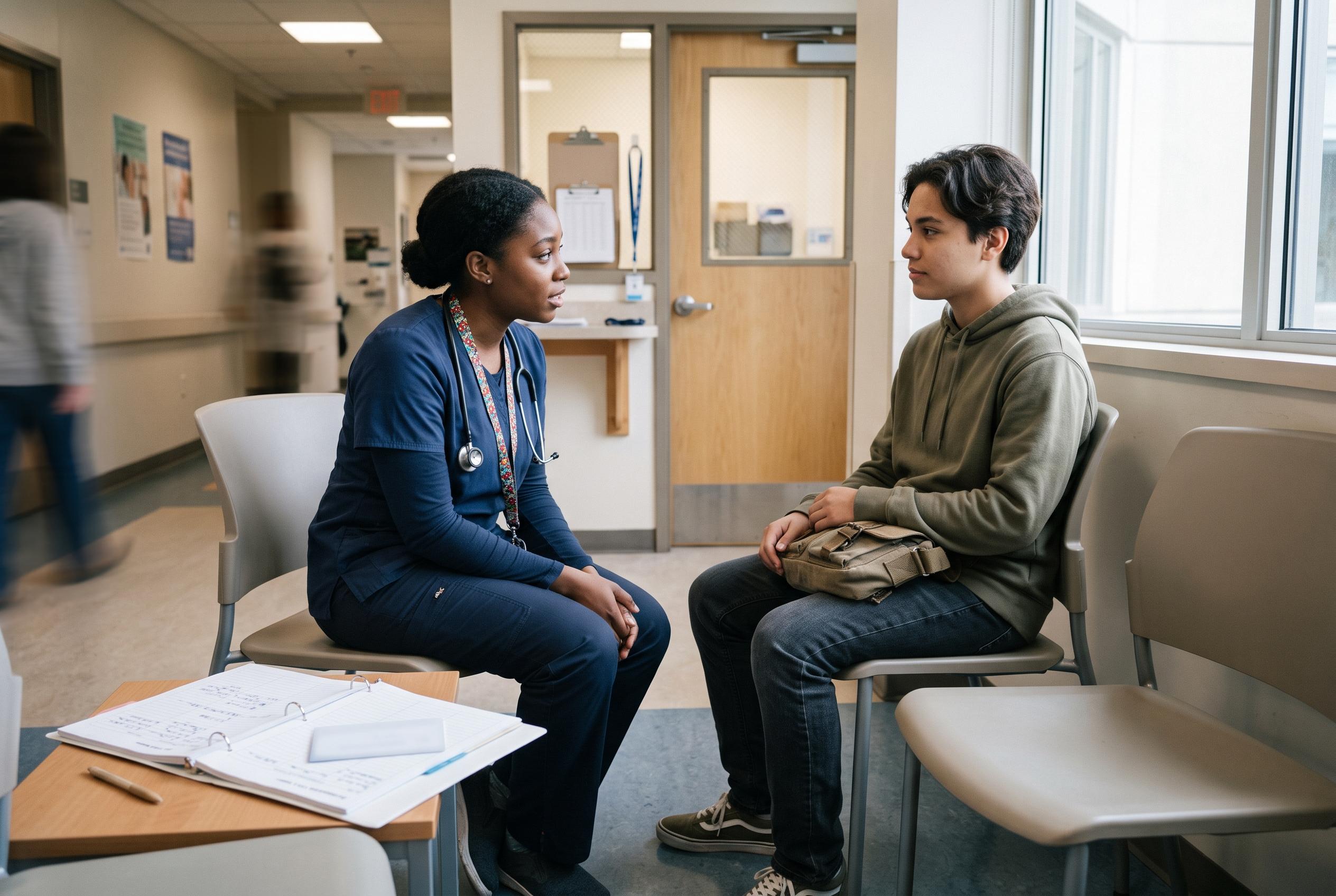

A new national study reveals that only a small fraction of young Medicaid patients with opioid use disorder remain on medication after six months, highlighting urgent gaps in ongoing care and stark racial disparities that threaten lives.
A new national analysis has found that young people on Medicaid who are diagnosed with opioid use disorder often fall out of treatment long before medication can offer lasting protection. Among 229,847 adolescents and young adults aged 13 to 25, only 3.1% were still taking a medication for opioid use disorder six months after diagnosis, according to a study published in JAMA Network Open and led by researchers at Mass General Brigham. The pattern suggests that the biggest failure is not diagnosis itself, but keeping patients connected to care after the first step. According to the report, half of the group began treatment within 14 days, yet only about one in three went on to take part in additional visits in the following month.
That steep decline matters because medication is considered the standard treatment for opioid use disorder, and it works best when it is continued. The medicines most often used are buprenorphine, methadone and naltrexone. The National Institute on Drug Abuse says people treated with methadone or buprenorphine are less likely to die or overdose than those who do not receive treatment. Earlier youth-focused research from Mass General Brigham also found that adolescents and young adults who stayed on buprenorphine for a year had a much lower overdose risk than those who stopped sooner, reinforcing the value of sustained treatment rather than brief contact with care.
The new study also points to persistent inequities. Younger adolescents and racially minoritised patients moved through treatment at lower rates than their peers, and reporting by STAT indicated that Black young people fared particularly poorly in retention. In an interview with STAT, Dr Scott Hadland, who led the work, said, “There have been some real positive changes, and then there have been some really catastrophic changes,” adding that he had recently treated patients who died from overdose. The message from the findings is not only that treatment access is uneven, but that the gap widens as young patients try to stay engaged.
For minors, access can be especially difficult. Until last year, federal rules required two failed short-term treatment attempts before a minor could qualify for methadone maintenance. That requirement was removed in 2024, but young patients still generally need a parent or guardian’s consent, and many specialty clinics do not accept minors at all. STAT reported that fewer than 10 minors in the study received methadone, while buprenorphine was more available but still not widely offered in adolescent residential programmes. Sarah Bagley, an internist and paediatrician at Boston Medical Center, told STAT that the quality of the care environment can be as important as the drug itself, saying engagement depends on creating a setting that feels safe, compassionate and non-judgemental.
The study is observational, so it cannot show why patients stopped treatment, and it may miss care that was not billed to Medicaid. It also ends in 2023, before the full effect of newer policy and telehealth changes could be seen. Still, the broader picture lines up with other research. A CDC multistate study found that only 4.7% of adolescents under 18 and 24.7% of young adults received timely medication for opioid use disorder, while a separate JAMA Network Open analysis of Medicaid opioid treatment programmes found sizeable variation in retention across clinics, with some doing much better than others. That suggests there is room not only for better access, but for better quality in the programmes young people actually reach.
For parents and carers, the practical lesson is that a diagnosis or an initial visit is not enough. Families may need to keep pushing for follow-up appointments, medication continuity and a programme that will accept a young patient long enough to make a difference. The Substance Abuse and Mental Health Services Administration offers a free, confidential helpline and treatment locator, while naloxone remains an important safeguard at home because it can reverse an opioid overdose. In a statement released with the study, Hadland said the results showed “large gaps in care” that leave young people at risk of “premature death and poor health outcomes”. The evidence suggests that the real protection comes not from starting treatment, but from staying in it.
Disclaimer: This content is for informational purposes only and is not intended to be a substitute for professional medical judgment, advice, diagnosis, or treatment.



