

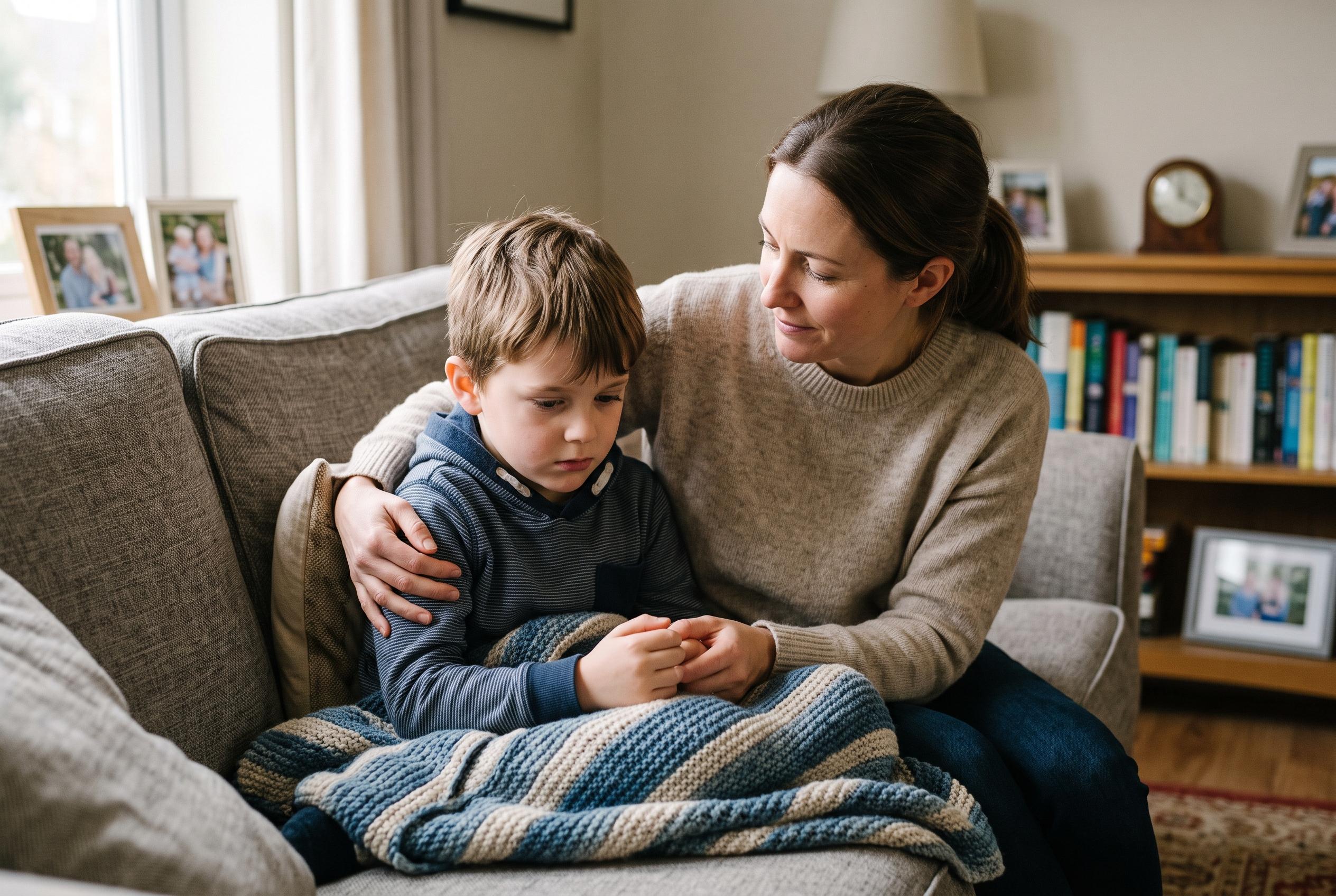

A Beykoz University lecturer urges parents to limit children’s exposure to violent content, maintain routines and listen calmly for signs of lasting distress.
Children who witness violence, even at a distance, may carry the effects far beyond the moment itself, according to Kardelen Dudular Cinali, a lecturer at Beykoz University’s faculty of social sciences. Cinali warned that children do not experience frightening events in isolation; they also absorb the reactions of the adults around them, which can shape whether they feel protected or overwhelmed.
In remarks reported by Demirören News Agency, Cinali said school is one of the first places where children build a sense of trust in the outside world. She argued that parents who dismiss an incident entirely, or who describe it in highly alarming terms, can unintentionally increase a child’s distress. Instead, she said, children need simple, age-appropriate explanations and a calm setting in which they can voice fear, confusion or sadness. Johns Hopkins Medicine similarly advises parents and caregivers to keep communication open after violence and to make space for children to talk through what they have seen or heard.
Cinali also cautioned that repeated exposure to violent images on social media and other digital platforms can intensify anxiety. That concern is echoed in guidance from multiple child health and justice organisations, which say continued viewing can keep a traumatic event feeling present and immediate in a child’s mind. The result may be trouble sleeping, a stronger sense of danger and a heightened fear response. Limiting children’s access to violent content, while also being mindful of how adults consume news, is one of the simplest protective steps, she said.
The lecturer said distress does not always appear in words. It may show up instead through sleep problems, nightmares, changes in appetite, irritability, separation anxiety, reluctance to go to school, withdrawal from friends or interests, concentration problems or repeated physical complaints. She added that some children may keep talking about the event or replay it in games and drawings. Research reviewed in the journal published by Sage indicates that children exposed to violence can face emotional, behavioural and social difficulties, while a recent United Nations report found that violence against children can also leave longer-term cognitive and mental health scars.
Cinali stressed that these signs do not automatically point to a psychological disorder, but they should be assessed in context, particularly if they are severe, persistent or begin to disrupt daily life. She said the most effective response combines calm listening, predictable routines and close attention to changes in behaviour. Her advice to parents was straightforward: ask what the child has heard, reduce further exposure to violent material, preserve everyday routines and seek professional help if anxiety becomes prolonged. As she put it, children do not need adults to promise that nothing bad will ever happen; they need adults who will listen, stay close and make it clear that whatever they feel can be shared.
Disclaimer: This content is for informational purposes only and is not intended to be a substitute for professional medical judgment, advice, diagnosis, or treatment.



