

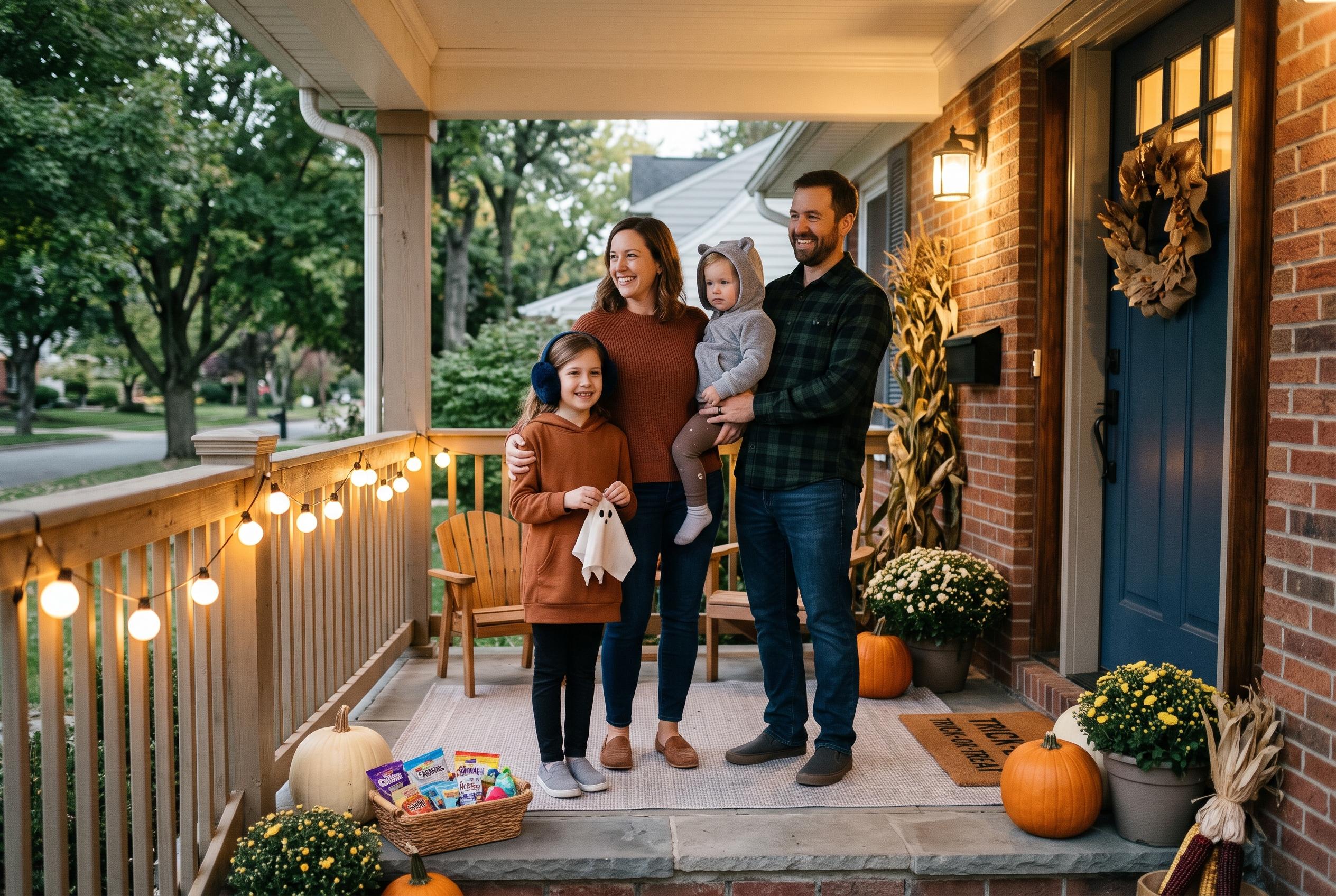

Families can make Halloween less overwhelming for children with sensory sensitivities, communication differences or anxiety by planning ahead, adapting costumes and letting children decide how much they take part.
Halloween can be a joyful occasion for many children, but for those with sensory sensitivities, communication differences or anxiety, the evening can also bring challenges such as scratchy clothing, loud noises, unfamiliar visitors and pressure to respond at the door. In written responses shared with Days of a Domestic Dad, Jen Wirt, founder and chief executive of Coral Care, said families can reduce stress by planning ahead and giving children more control over how they take part.
One of Wirt’s first suggestions is to prepare children with a simple social story before the holiday arrives. Talking through the sequence of events, perhaps with pictures or familiar family photos, can help make the night feel predictable. A daytime walk along the intended route can also help children see which houses they may visit and where the outing might end. Other autism and neurodiversity-focused guides recommend the same kind of advance preview, whether through visual schedules, videos or rehearsal at home, because familiarity often lowers anxiety.
Wirt also recommends practising the experience in a low-pressure way. Families can turn a doorway or hallway into a pretend stop, then take turns knocking, greeting, handing over treats and saying goodbye. For children who use an augmentative and alternative communication device, or AAC, adults can model simple messages such as “trick-or-treat”, “thank you”, “all done” and “I need a break”. Other guides on sensory-friendly Halloween planning make a similar point: the child does not need to perform a scripted response, and a wave, point, sign or parent-led exchange may be enough.
Costume choice is another major factor. A costume that looks fine in a photograph may become unbearable after a few minutes outdoors, especially if it has tags, seams, masks or tight accessories. Wirt advises families to test outfits before Halloween night and to change them if they pinch, itch or limit movement. Related advice from autism support writers also emphasises breathable, tag-free clothing, skipping masks or hard headwear when needed, and letting the child decide what feels comfortable. If a child wears a communication device, that should be incorporated into the costume plan rather than treated as an afterthought.
Wirt says families should also build the evening around the child’s preferences. That might mean going out with a sibling, a friend or just one parent; visiting a single neighbour; or keeping the route short and familiar. Ear defenders, a comfort item, breaks between houses and a clear signal for when the child is finished can all help. Other advice in the same area recommends avoiding houses with loud effects, fog machines or jump scares, and considering lower-sensory alternatives such as trunk-or-treat events or an at-home celebration if the neighbourhood feels like too much.
Just as important, Wirt says, is redefining what success looks like. A successful Halloween may mean going to one house, standing on the pavement, wearing a costume for a photo or simply watching the activity from a safe distance. Parents are encouraged to notice signs that a child is becoming overwhelmed, such as covering their ears, pulling at clothing, becoming quieter or refusing to approach the next house, and to respect agreed signals to stop. If trick-or-treating does not feel right, a smaller celebration at home or time watching the festivities nearby can still make the holiday special. The guiding question, Wirt suggests, is not how many houses a child visits, but what would make the evening enjoyable for that family.
Disclaimer: This content is for informational purposes only and is not intended to be a substitute for professional medical judgment, advice, diagnosis, or treatment.



