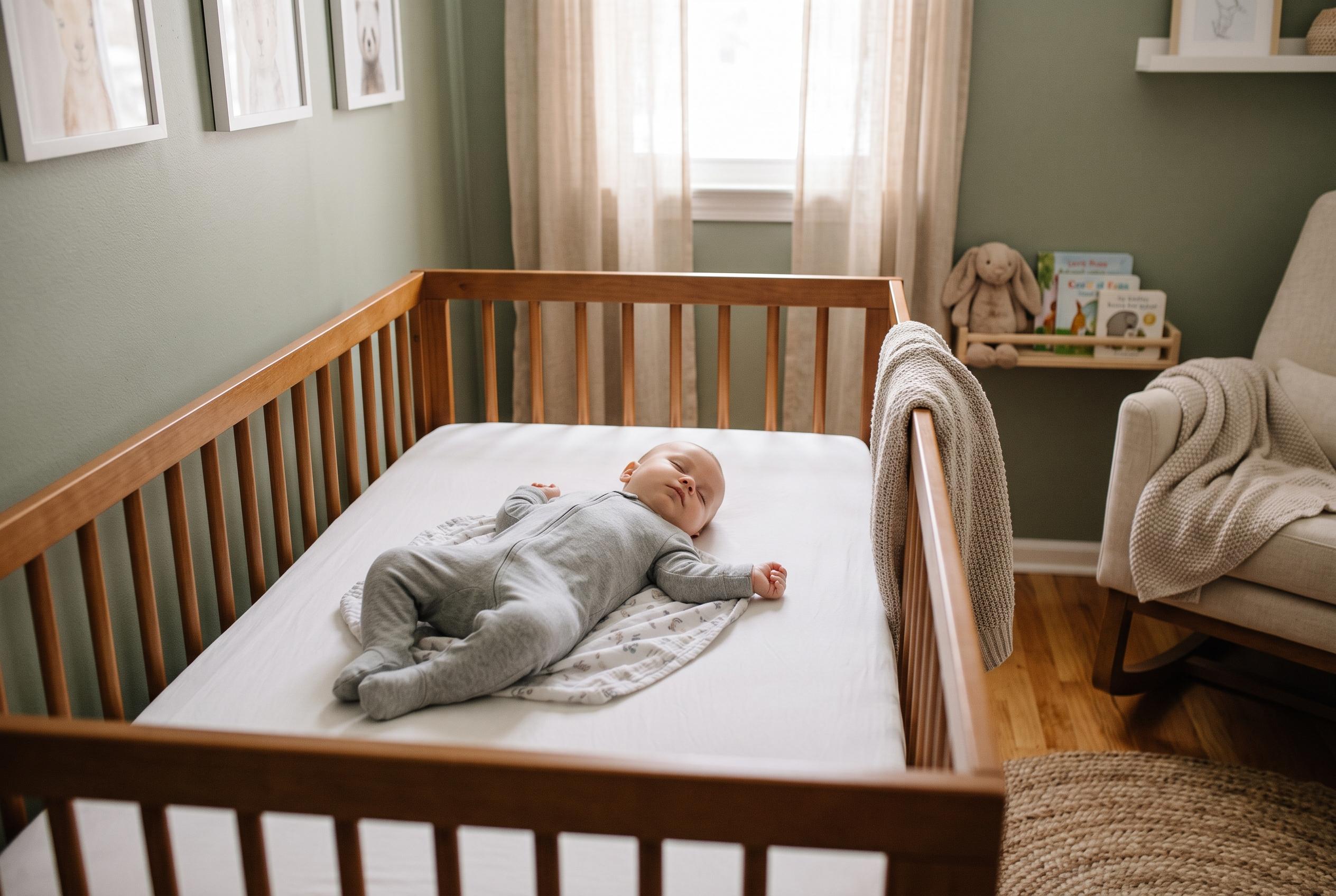

Babies often experience sleep difficulties in new settings due to changes in light, noise, temperature, and sleep routines. Experts recommend creating a familiar environment to ease the transition and distinguish between temporary disruptions and sleep regressions.
Babies often sleep badly in a new place because travel changes several sleep cues at once. Light, noise, room temperature and the feel of the mattress can all be different from home, and that sudden shift can leave an infant overstimulated at bedtime. Nested Bean says the issue is usually not that a child has become a poor sleeper, but that the familiar signals have disappeared.
Sleep researchers describe a related pattern in adults called the “first night effect”, in which sleep is lighter and more disrupted in an unfamiliar setting. ScienceAlert and other explainers note that part of the brain stays more alert on the first night in a new place, apparently as a guard against possible danger. Babies cannot explain this experience, but the broader idea helps show why a strange room can make sleep harder.
The practical response is to make the new space feel as much like home as possible. That means keeping the room dark, reducing noise where you can and using familiar sleep routines and bedding. Advice from sleep sites focused on children and babies also points to consistency: the fewer changes a child has to process at once, the easier it is to settle.
Nested Bean adds that parents who are unsure whether a difficult night is caused by travel or by a broader sleep issue should look for the signs of sleep regression. That distinction matters because a temporary disruption from unfamiliar surroundings may improve once routines and cues are restored, while developmental sleep changes usually follow a different pattern.
Disclaimer: This content is for informational purposes only and is not intended to be a substitute for professional medical judgment, advice, diagnosis, or treatment.