

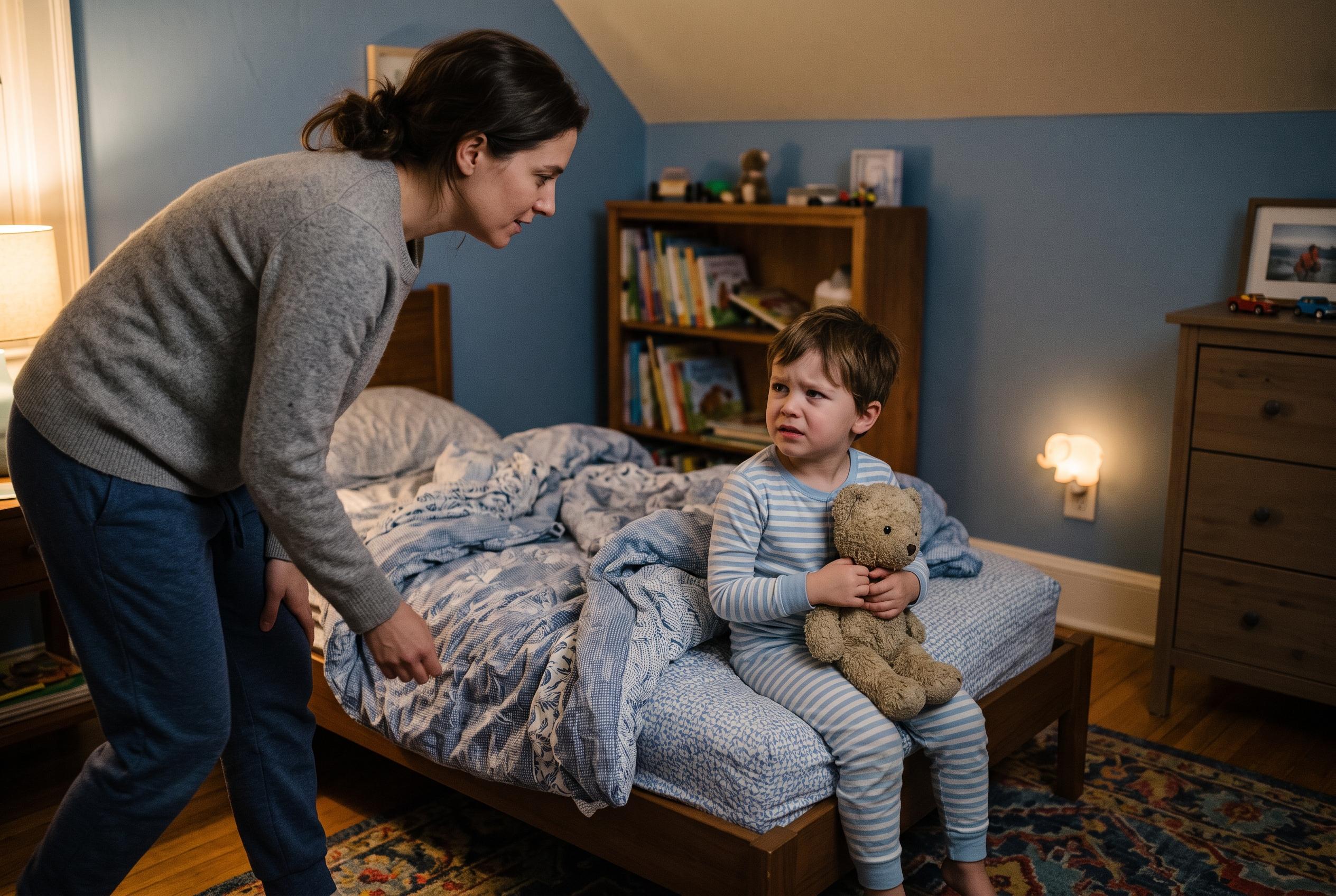

Night terrors can leave children screaming, confused and seemingly awake, but the episodes differ from nightmares and are usually outgrown. Here is what parents should know.
A parent can easily mistake a late-night episode for a simple waking pattern until a child begins screaming, staring blankly or seeming not to recognise a familiar face. In the account that prompted this piece, a mother described repeated 2am disturbances that left her son inconsolable, confused and then oddly alert, before a paediatrician suggested the episodes were night terrors. Sleep specialists say that pattern fits a parasomnia, a type of sleep disturbance that can look frightening but is different from a nightmare.
The key distinction is that nightmares usually wake a child fully and are often remembered, while night terrors happen during non-REM sleep and are generally not recalled the next morning. Children may sit up, scream, thrash, sweat or appear panicked, yet still remain only partly aroused from sleep. Sleep Foundation and Mayo Clinic both note that these episodes are most common in younger children and often lessen as they grow older.
Experts have not identified a single cause, but they do point to several common triggers. These include sleep deprivation, fever, stress, certain medicines, changes in routine and, in some children, underlying sleep problems such as sleep apnoea or reflux. The family story that inspired this article also reflects another frequent concern for parents: episodes often seem to arrive on a schedule, which can make them feel more mysterious than they are.
Parents are usually advised not to try to fully wake a child in the middle of a terror episode. Instead, sleep specialists recommend making the room safe, removing hazards, keeping a calm voice and reducing overstimulating activities before bedtime. A steady routine with enough sleep overnight and during naps can also help. If episodes are frequent, dangerous or particularly severe, paediatricians may suggest keeping a sleep diary, considering planned brief awakenings before the usual episode time, or arranging a sleep study. Most children outgrow night terrors, but clinicians advise families to seek medical guidance if they are worried about safety or if the episodes are disrupting family life.
Disclaimer: This content is for informational purposes only and is not intended to be a substitute for professional medical judgment, advice, diagnosis, or treatment.



