

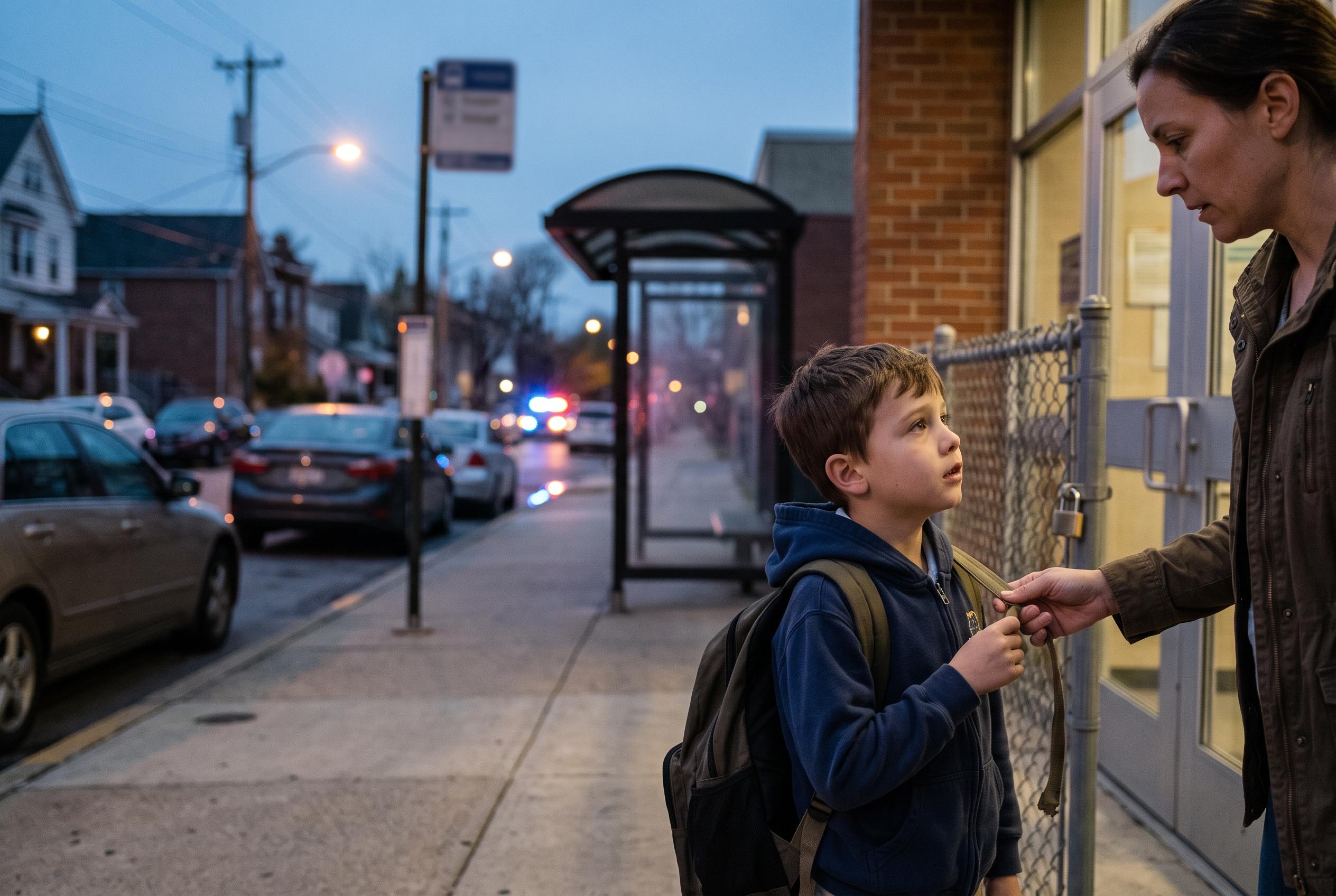

Amid a slight overall decline in deaths, US gun violence in 2024 hits record levels, with devastating effects on children’s mental health, safety, and future prospects, especially among vulnerable communities.
Gun violence in the United States remains a mass public health problem, even in a year when overall deaths eased slightly. Johns Hopkins researchers, analysing federal data, found that nearly 45,000 people died from gun violence in 2024, or about one death every 12 minutes. They also reported that gun suicides reached a record high and that firearms stayed the leading cause of death among children and adolescents aged 1 to 17, ahead of car crashes, overdoses and every other single cause.
The harm extends far beyond the immediate victims. According to research cited by Psychology Today, children who hear gunshots or witness violence in their neighbourhoods can experience significant distress even when they are not directly targeted. That kind of indirect exposure has been linked to anxiety, depression and post-traumatic stress, while repeated contact with violence can also raise the risk of later substance use, gun carrying and suicidal behaviour.
Public health experts say the damage is partly biological as well as psychological. Living with frequent violence can keep a child’s stress system switched on, creating a state of constant alarm that affects both physical and emotional development. KFF says exposure to shootings and gunfire can also disrupt school performance, including concentration and attendance, adding another layer of harm for children already coping with fear at home and in their communities.
The effects are not evenly shared. The Psychology Today article says lower-income children, Black and Hispanic children, and boys are more likely to be exposed to gun violence, largely because risk is shaped by neighbourhood conditions and household poverty. Pew Research has also shown that gun death rates vary sharply by state, with some places facing levels far higher than others, underscoring how strongly geography shapes exposure and outcomes.
Researchers also warn that violence can become self-perpetuating. The article cites studies suggesting that proximity matters: each additional deadly shooting within 500 metres of a child’s home was associated with a rise in delinquent behaviour. In that environment, fear, hopelessness and a sense of danger can make carrying a gun seem normal or protective, even as it increases the chance of more violence.
The message from child and public health specialists is clear: preventing gun violence is not only about stopping deaths, but also about protecting children from the long shadow that violence casts over mental health, learning and future expectations. They argue for place-based investment in communities, stronger support services and routine screening in schools and clinics so that exposed young people are identified early, before trauma hardens into more harm.
Disclaimer: This content is for informational purposes only and is not intended to be a substitute for professional medical judgment, advice, diagnosis, or treatment.



