

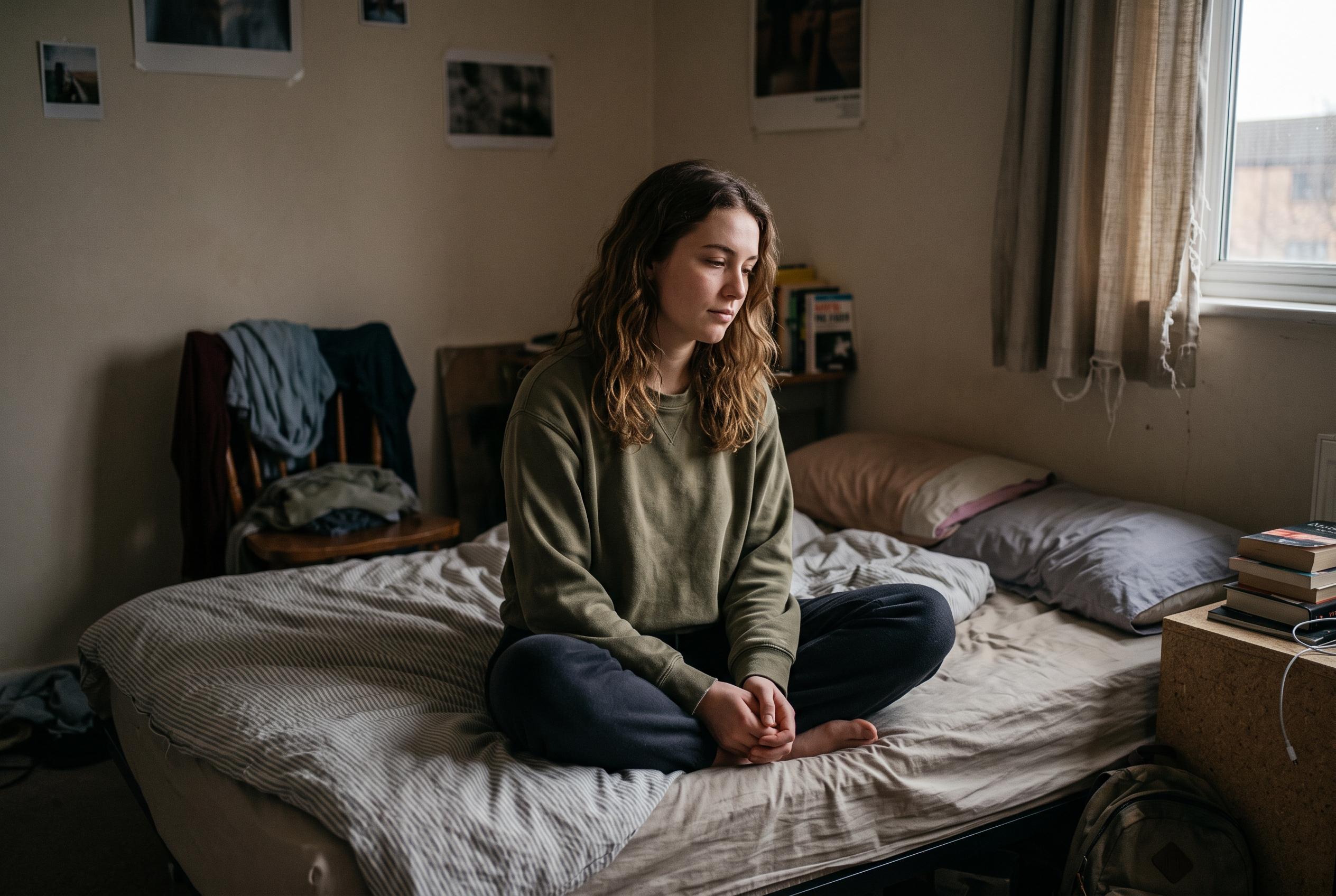

A Concordia University-led study suggests that disorganisation and inconsistency at home may shape cortisol regulation and later depression and anxiety symptoms among young people with a family history of bipolar disorder.
A childhood home marked by disorganisation and unpredictability may leave a lasting imprint on stress biology, according to a Concordia University-led study that followed children of parents with bipolar disorder into young adulthood. The research suggests that early family structure, not genetics alone, may help shape later mental health risk by altering how the body regulates cortisol, the hormone involved in the stress response.
Published in Psychoneuroendocrinology, the study tracked 132 young people, including 68 whose parents had bipolar disorder and 64 whose parents had no history of an affective disorder. Parents were asked to describe the level of structure, support and control in the home when their children were between four and 12 years old. About 12 years later, the participants returned for saliva testing and mental health assessments.
The researchers found that offspring of parents with bipolar disorder who had grown up in homes with less organisation and consistency tended to show a stronger cortisol awakening response, the normal rise in cortisol during the first hour after waking. That heightened response was then linked with more symptoms of depression and anxiety. Participants who themselves had developed an affective disorder, including major depressive disorder or bipolar disorder, showed a stronger awakening response than both high-risk peers who had not developed such a disorder and the control group.
Lead author Mark Ellenbogen, a psychology professor at Concordia, said the findings argue against a purely genetic explanation. In comments reported by the university, he said children raised in stressful homes, including where a parent cycles in and out of hospital care, may experience changes in the hypothalamic-pituitary-adrenal axis, the system that produces cortisol and helps govern the body’s response to stress. The researchers caution that the home environment should not be treated as a direct cause of later illness, but say the results support prevention efforts that strengthen predictability, organisation and consistency for families already facing elevated risk.
The study also fits into a broader, sometimes mixed, scientific picture on cortisol and bipolar disorder. Earlier research has found both heightened and blunted cortisol awakening responses in people with bipolar disorder, depending on the clinical stage and symptom profile. Some studies have linked stronger cortisol responses with perceived stress and mood instability, while others have suggested a dampened response during depressive episodes or acute illness. Taken together, the new findings point to the possibility that stress-system changes may emerge over time in response to both illness vulnerability and the surrounding family environment.
Disclaimer: This content is for informational purposes only and is not intended to be a substitute for professional medical judgment, advice, diagnosis, or treatment.



