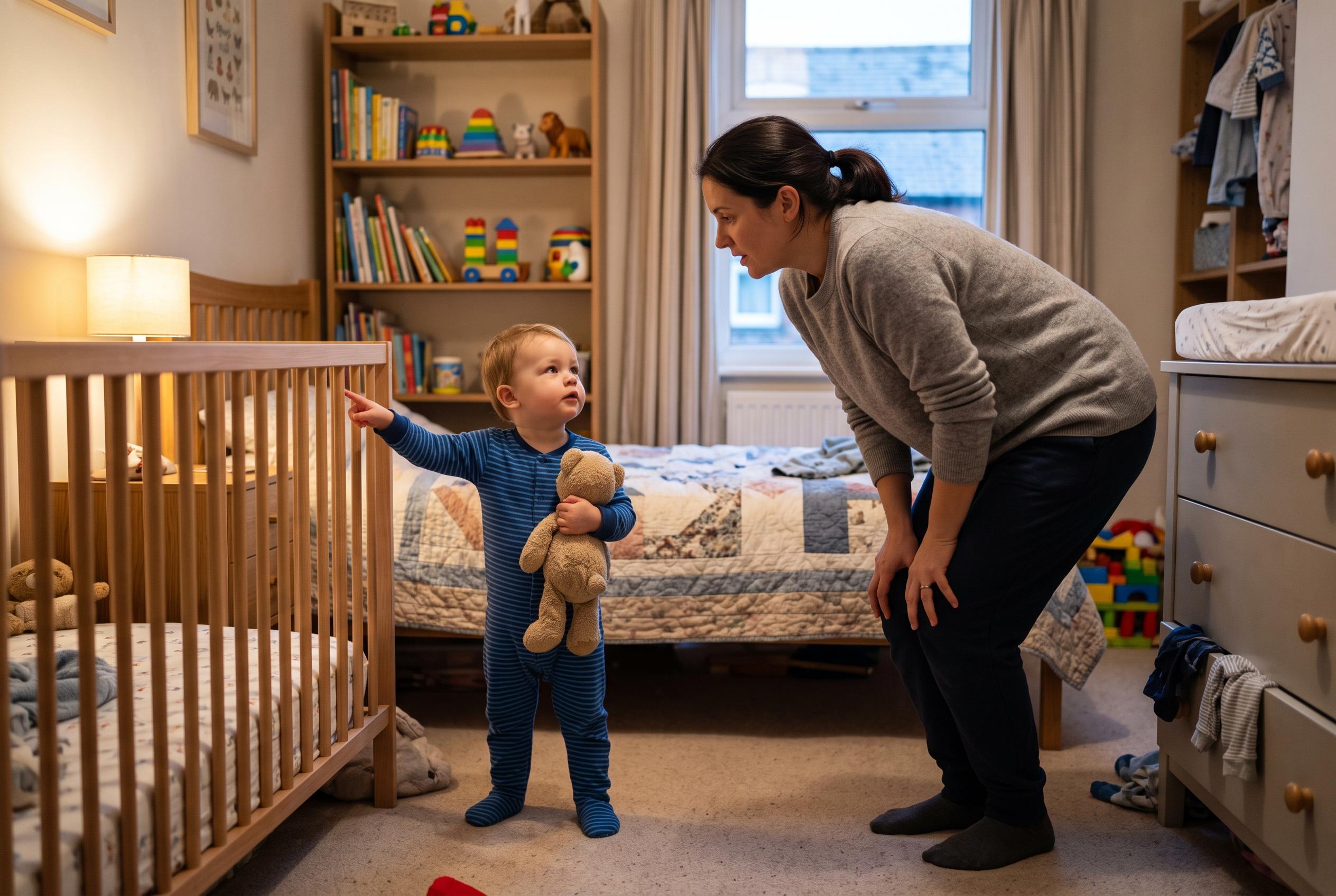

A sleep specialist explains that toddler bedtime struggles are rooted in developmental needs and emotional bonds, encouraging consistent routines and calm approaches to ease the nightly negotiations.
Parents who have watched a toddler turn bedtime into a nightly negotiation will recognise the pattern: the child is suddenly wide awake, the routine stretches on and everybody seems more frustrated as the evening wears on. In a TikTok video that drew a strong response from other parents, Annalee Ford asked why getting children to sleep can feel so difficult. A sleep specialist, Cayla Solomon, later responded that the struggle is often less about defiance than a clash between adult and child needs.
Solomon’s explanation is that bedtime exposes a basic tension. By evening, parents are usually tired and looking for rest, while toddlers are often trying to hold on to connection after a day spent at nursery, with relatives or in other care. From a child’s point of view, going to bed can feel like being pushed away just when they want more attention, reassurance and closeness. That can lead to stalling tactics, extra requests and repeated attempts to delay separation.
Other child-sleep specialists say that reaction is also part of normal development. Dr Sally Ibrahim, director of paediatric sleep medicine at University Hospitals Rainbow Babies & Children’s Hospital, has said toddlers are learning independence and the power of saying “no”, which can make bedtime resistance common. Related advice from sleep experts points to several familiar triggers, including overtiredness, inconsistent routines, separation anxiety and even discomfort or fear of the dark.
The practical answer, Solomon and other specialists suggest, is consistency and calm. That means building in a brief, predictable routine, such as bath, teeth, pyjamas, a story and bed, while keeping the atmosphere low-key. Experts also advise avoiding last-minute bargaining once the routine has started, since repeated negotiation can teach children that resisting works. Screens should be kept out of the wind-down period where possible, or limited to gentler material such as audiobooks. If a child keeps waking, getting out of bed or refusing sleep despite a stable routine, parents are advised to speak with a paediatrician to rule out health issues and get tailored guidance.
Disclaimer: This content is for informational purposes only and is not intended to be a substitute for professional medical judgment, advice, diagnosis, or treatment.