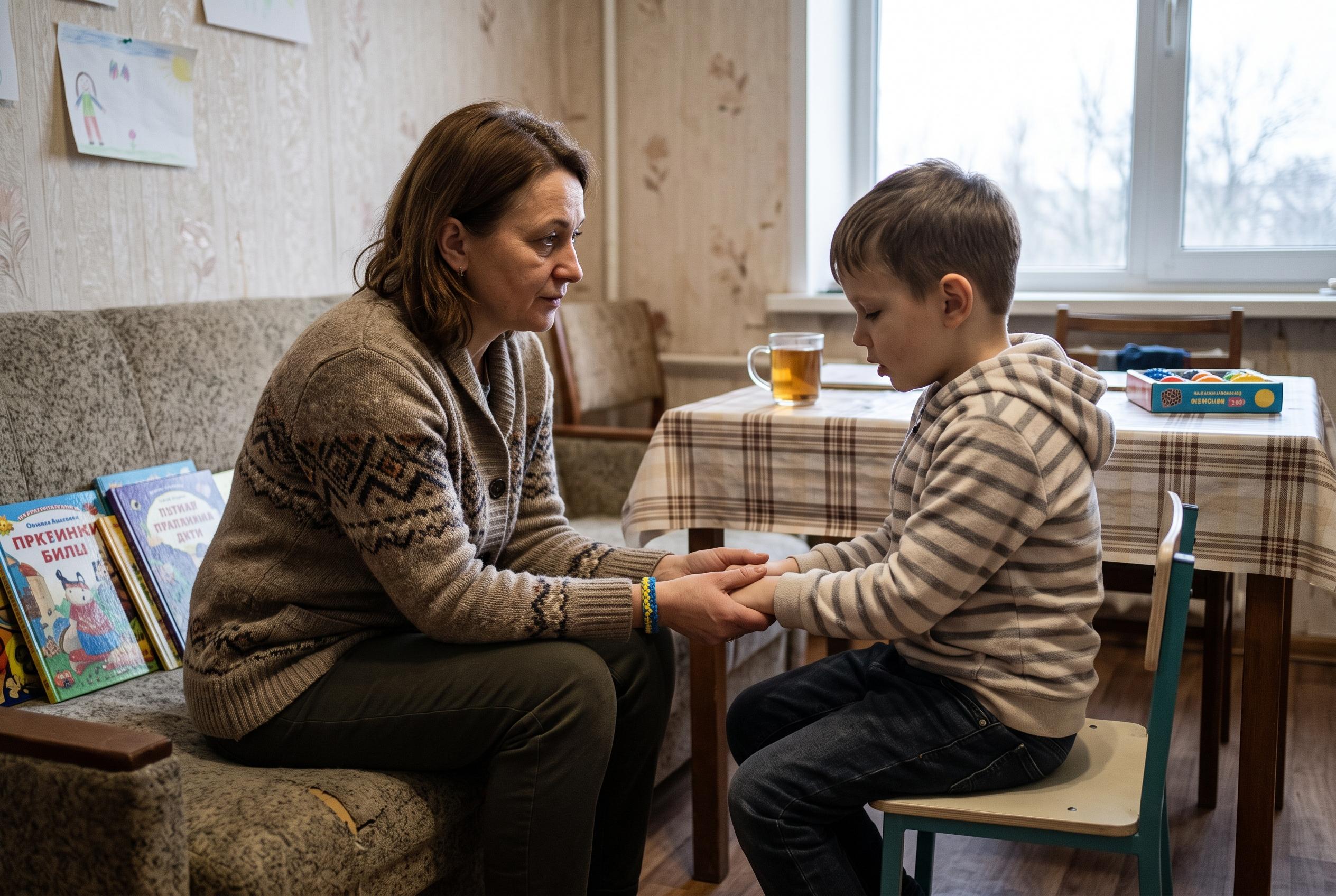

As the conflict continues, Ukraine faces a mounting mental health emergency with overstretched services, innovative aid initiatives, and fragile funding hampering efforts to heal a traumatized nation amid ongoing violence.
Ukraine’s war has created a mental health emergency as severe as the physical destruction, yet the country still lacks a fully joined-up system to meet it. Therapists describe patients who cannot speak about captivity, families who cannot grieve openly and children who have learned to live in permanent alert. As one psychotherapist in Lviv told The Boston Globe, some clients simply cannot manage standard treatment when shells are falling and drones are overhead.
The scale of the need is enormous. Nathalie Robelot Timtchenko, a mental health professional who founded First Aid of the Soul in 2022, said the organisation has reached more than 25,000 Ukrainians, while also supporting more than 500 mental health workers each month through supervision and training. The group says its work is designed to rebuild dignity and belonging as much as to treat trauma, reflecting the wider push in Ukraine to normalise help-seeking through online platforms, crisis lines and psychoeducation.
Other groups are filling gaps left by an overstretched public response. Mental Help Global offers free, confidential, AI-assisted support around the clock, while Ucare.me connects Ukrainians with qualified psychologists and promotes a culture of asking for help. Lifeline Ukraine runs a 24/7 suicide prevention hotline that has handled more than 100,000 consultations. Specialist programmes such as Brave Minds, backed by the British charity FIRE AID and International Development, focus on firefighters and rescuers under constant operational pressure, while PURE trains psychologists and communities in trauma tools that can be spread more widely.
Even so, the system remains fragmented, and funding is precarious. Timtchenko said grant cycles are often short and that recent cuts to USAID-linked support have made long-term planning harder. That matters because the war’s psychological damage is not limited to soldiers. It reaches spouses, widows, children, survivors of occupation and people who have been unable to mourn properly. Therapists say progress often looks modest: a survivor making it through a session, a bereaved parent crying at last, or a traumatised child imagining a normal future again.
Disclaimer: This content is for informational purposes only and is not intended to be a substitute for professional medical judgment, advice, diagnosis, or treatment.