

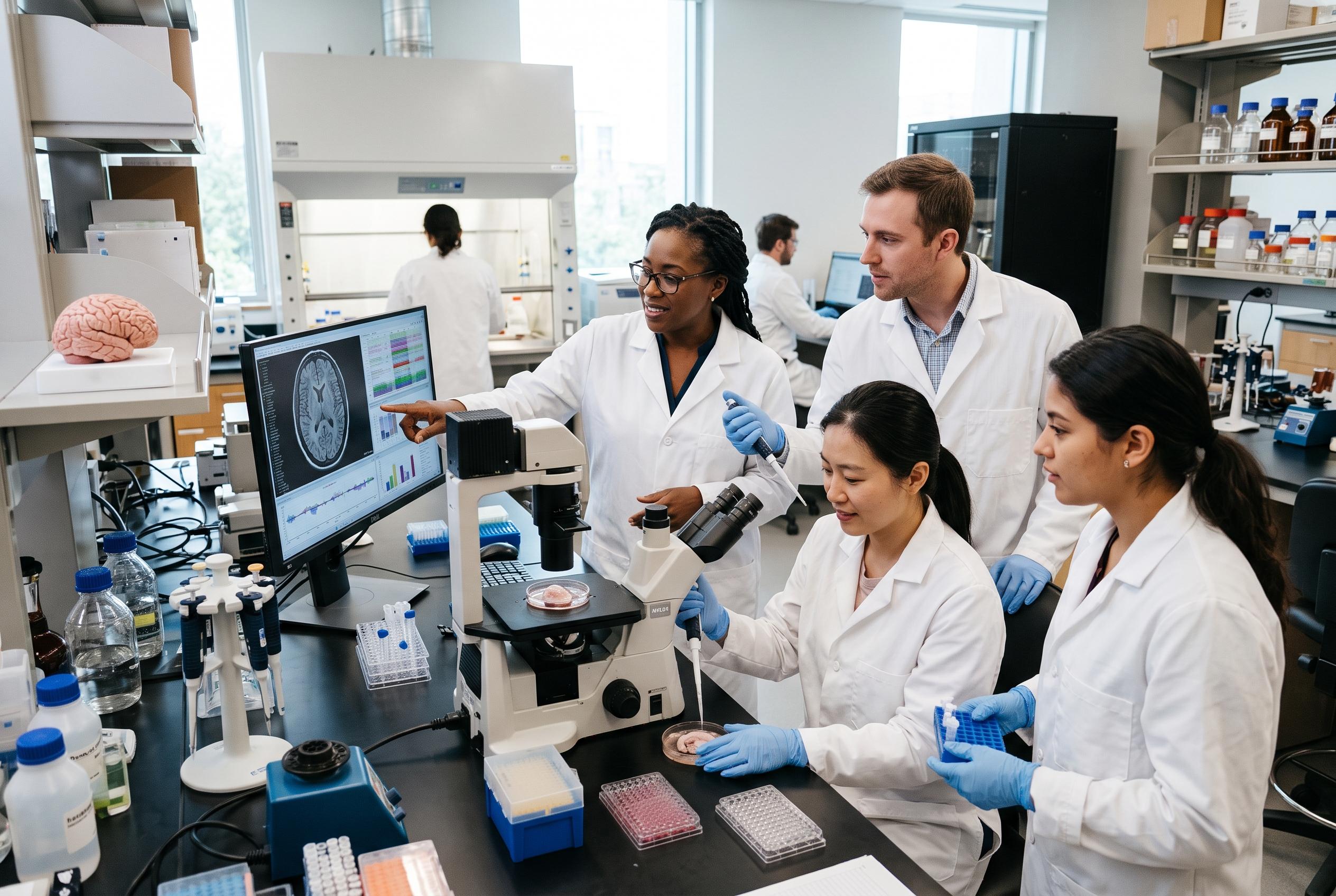

A UCSF study using artificial intelligence, genetic data and lab-grown brain tissue identifies mostly new protein interactions that could help explain how diverse mutations converge on shared biological pathways.
Researchers at the University of California, San Francisco have drawn what they say is one of the most detailed molecular maps yet of autism, a step that could help explain how many different genetic changes may lead to similar biological effects. According to UCSF, the project used artificial intelligence, genetic data and lab-grown brain tissue to trace how proteins linked to autism risk genes interact inside cells.
The work, published in Science, examined protein-protein interactions for 100 high-confidence autism risk genes and identified more than 1,800 interactions. UCSF researchers said about 87% of those links had not been reported before, giving scientists a clearer view of how certain mutations may affect brain development and function. The findings suggest that autism is not driven by a single biological pathway, but by a range of genetic changes that can still converge on the same molecular machinery.
Rather than offering an immediate treatment, the researchers say the map is intended to point future work towards the biological pathways most likely to matter for therapy. UCSF has since said the broader programme has received $46 million in funding from Aligning Research to Impact Autism to expand studies of the molecular mechanisms behind autism spectrum disorder. The university says the goal is to move towards precision medicines that could one day target shared protein networks involved in multiple forms of autism, rather than focusing on one mutation at a time.
Disclaimer: This content is for informational purposes only and is not intended to be a substitute for professional medical judgment, advice, diagnosis, or treatment.



