

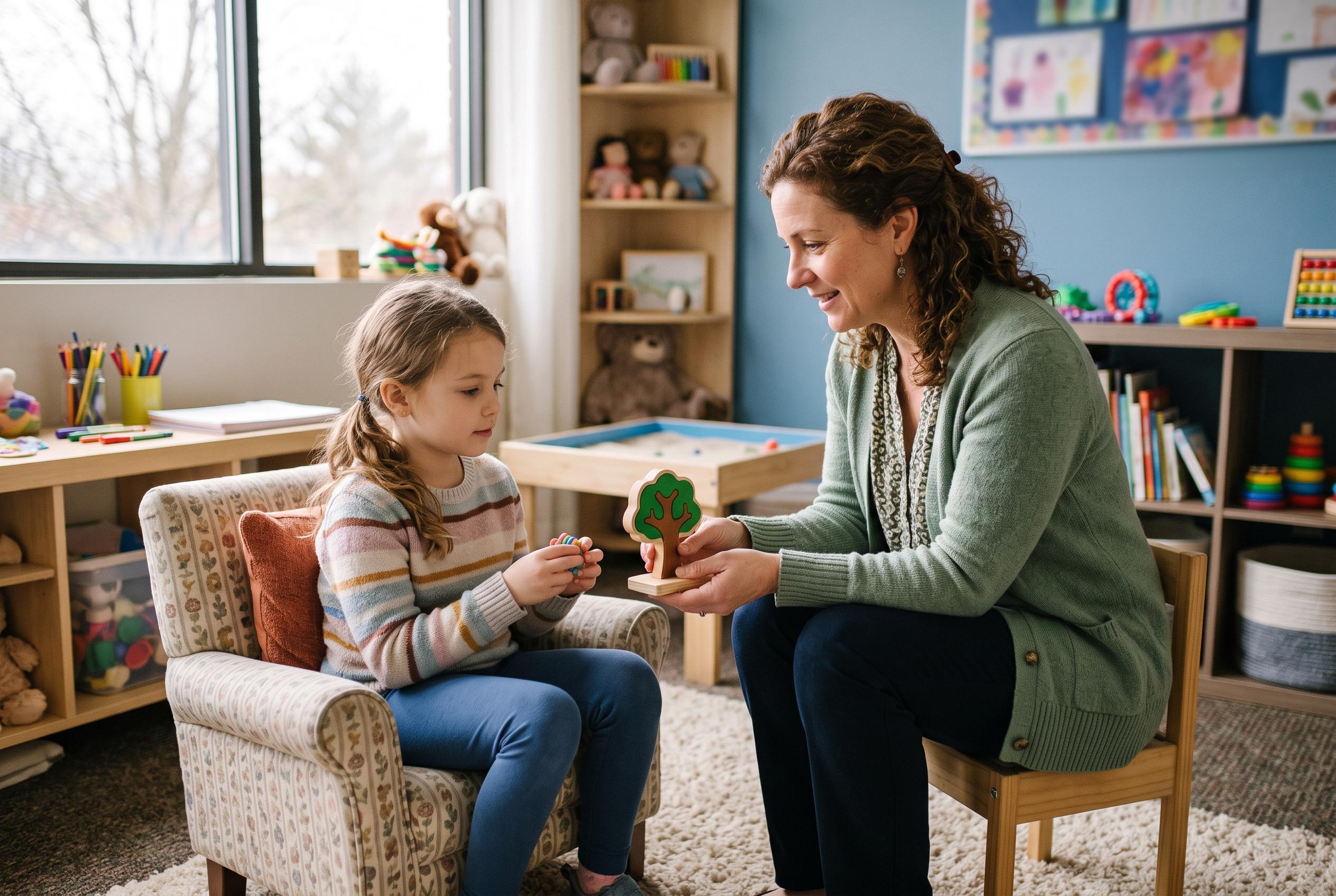

Hamburg’s Ankerland clinic supports severely traumatised children such as Tim, whose recovery from repeated neglect required nine years of intensive therapy and support.
When Andreas Krüger first met Tim, the boy was not yet five and was already carrying the marks of severe early neglect. According to the Hamburg trauma specialist, the child was angry, withdrawn and fearful by turns, unable to settle with other children during the day and plagued by vivid nightmares at night. Tim also struggled with bedwetting and bowel control, signs of the profound instability that can follow the earliest forms of harm.
Tim’s start in life was bleak. He was separated from his psychologically ill mother only hours after birth and placed in emergency foster care, a short-term arrangement intended to keep a newborn safe until longer-term decisions can be made. When it became clear that he could not return to his mother, the youth welfare office placed him with another foster family. More than two years later, it emerged that the baby had been severely neglected there as well and had become undernourished and delayed in development. He was then moved again, this time to a foster family with more experience and determination.
That second family devoted itself to helping him recover, but love on its own was not enough. After two years of exhausting care, the family sought help from Ankerland, the Hamburg trauma therapy centre led by Krüger. The organisation describes itself as Germany’s only day-clinic service dedicated entirely to severely traumatised children and teenagers, treating victims of neglect, physical violence and abuse while also advising foster parents, relatives and social workers. It focuses especially on very young children, whose earliest trauma may not be stored as a clear memory but can still shape behaviour and development for years.
Krüger says children who were harmed before the age at which explicit memory forms often cannot explain what is troubling them in words, which is why Ankerland uses a combination of art, body and music therapy alongside speech-based sessions. The aim is to help young patients recognise feelings, understand their behaviour and build practical skills that counter the helplessness left by trauma. For many, the work takes years rather than months. In Tim’s case, Krüger said, it took nine years before the boy was, in his words, “in life”. Ankerland says such sustained support is only possible because the centre works closely with the wider child-protection system and because it can continue treatment until children are able to manage reliably in everyday life.
The service, however, comes at a high cost. Krüger says the centre must raise about €1.6 million each year to keep operating, a burden that he admits can weigh heavily. Support has also come from the Tribute to Bambi Foundation, which has spent more than two decades backing projects for children and young people in need across Germany and drawing attention to social problems affecting them. Its charity gala is due to bring together guests from public life, culture, business and politics in Berlin on 15 October 2026 to raise money for children like Tim and for the many others whose names are never known publicly.
Disclaimer: This content is for informational purposes only and is not intended to be a substitute for professional medical judgment, advice, diagnosis, or treatment.



