

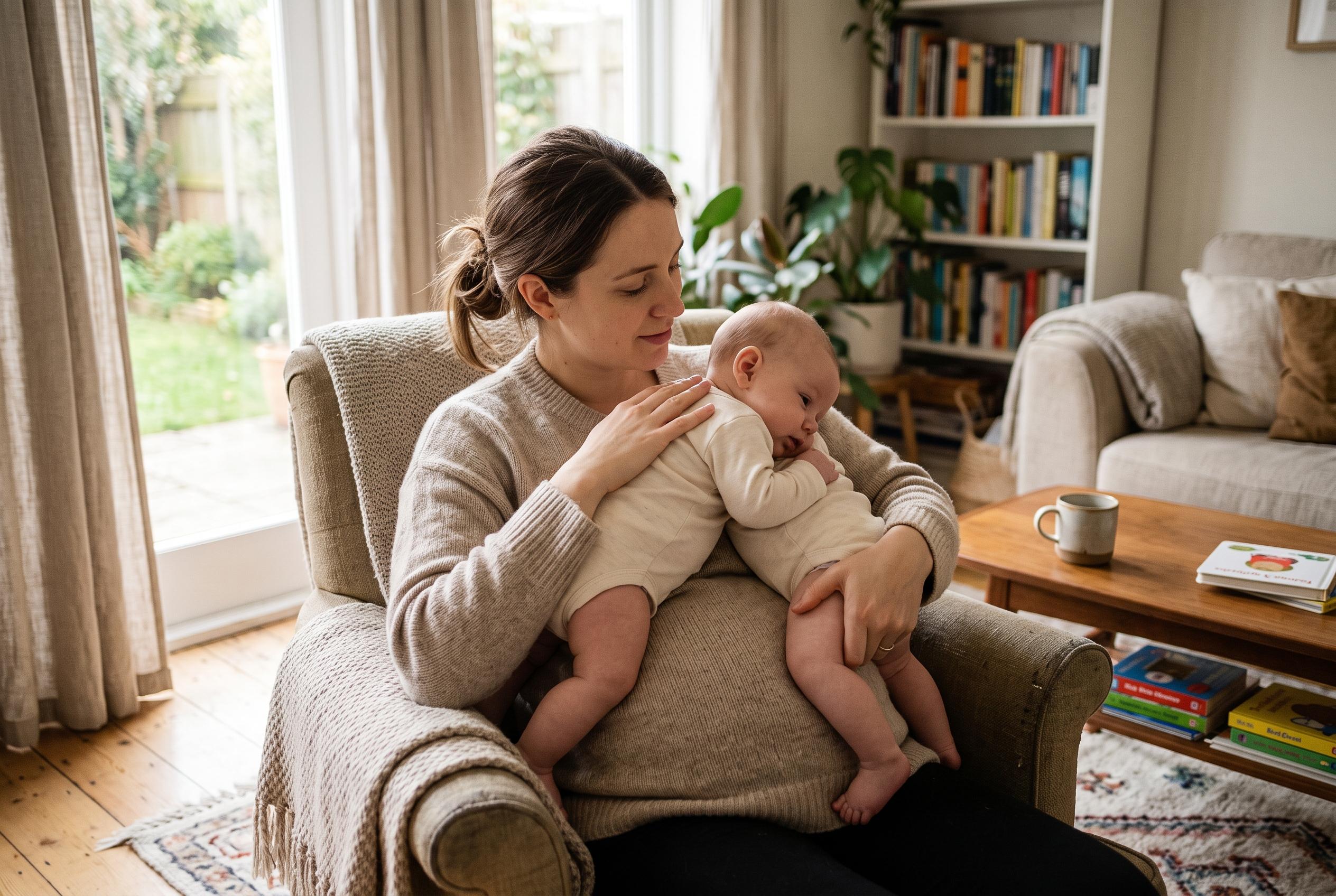

The first randomised trial of its kind found that interpersonal psychotherapy during pregnancy was associated with differences in infants’ hippocampuses and lower negative emotionality in early life.
The first randomised trial to test whether treating depression during pregnancy can influence a baby’s brain has found signs that psychotherapy may do more than ease maternal symptoms. Researchers reported that infants born to mothers who received therapy showed differences in the hippocampus, a region involved in memory and emotion, and that those brain changes were linked to lower negative emotionality in early infancy.
The study, published in Nature Communications, followed pregnant participants with elevated depressive symptoms who were assigned either to interpersonal psychotherapy or to enhanced usual care. The therapy arm consisted of eight weekly sessions focused on relationships and social support, while the comparison group received standard obstetric care, a depression information session and details of community resources. The researchers said the trial is important because much of the earlier evidence connecting prenatal depression and child outcomes has been observational rather than experimental.
The paper builds on other work suggesting that what happens during pregnancy can shape both maternal and child mental health. A related analysis indexed in PubMed found that prenatal depression interventions improved social support and coping in pregnant people, with psychotherapy producing larger reductions in perceived stress and rumination than enhanced usual care. Separately, a Monash University-led study reported that treating depression during pregnancy may lower the risk of emotional disorders in infancy and toddlerhood, reinforcing the idea that addressing maternal mental illness is not simply about short-term symptom relief.
Earlier studies have also hinted at effects on offspring brain development, although most were small and exploratory. A pilot trial of cognitive behavioural therapy for antenatal depression found structural differences in children’s brains, while other research has examined transcranial direct current stimulation and transcranial magnetic stimulation as possible pregnancy-safe treatment options. A broader review has also noted that untreated depression in pregnancy can be associated with neonatal distress and later behavioural risks, though it stressed that treatment decisions should be made individually.
Disclaimer: This content is for informational purposes only and is not intended to be a substitute for professional medical judgment, advice, diagnosis, or treatment.



