

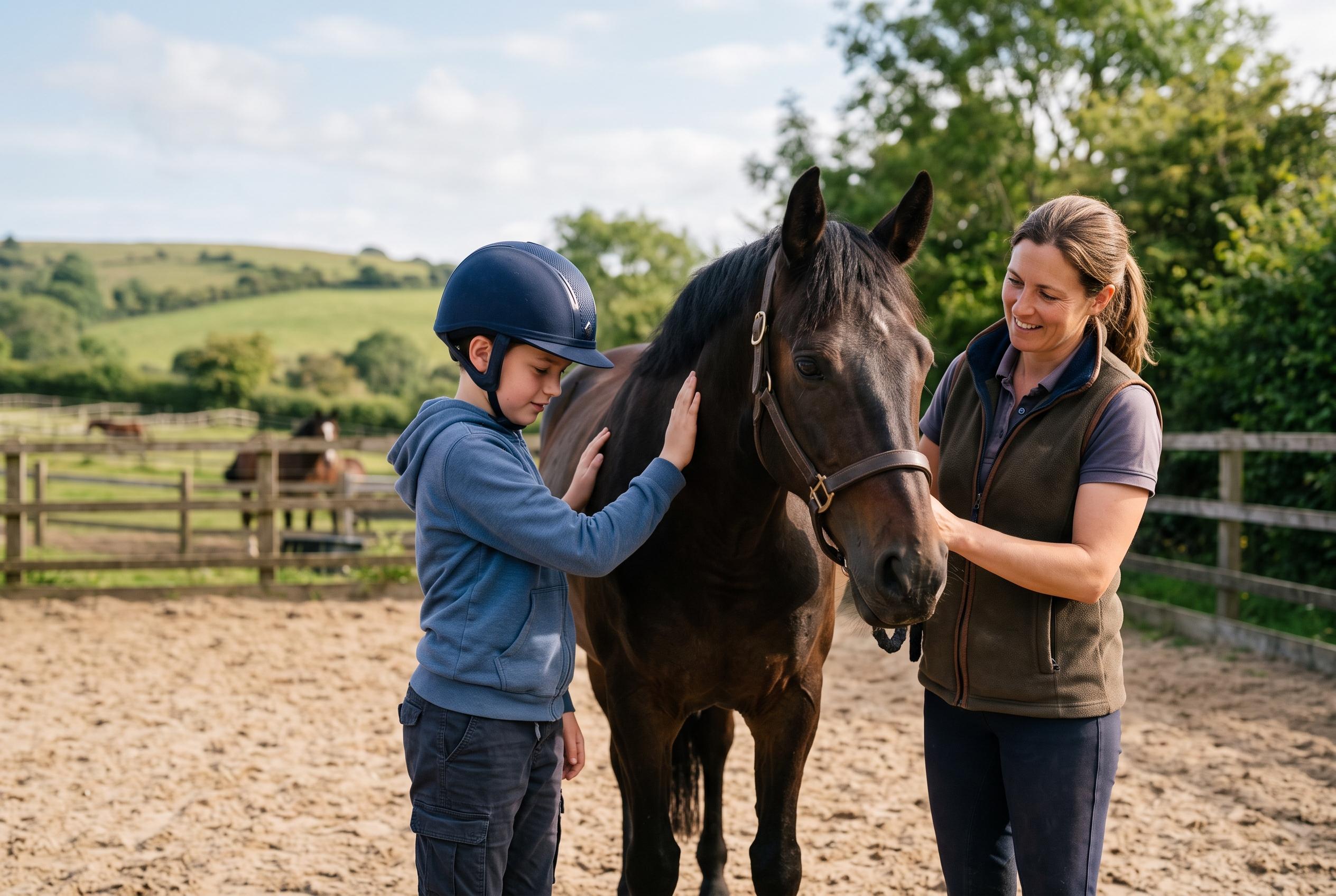

A randomised study suggests horse-based programmes may improve hyperactivity, irritability, emotional regulation and social behaviour in some autistic children.
Horseback riding may offer children with autism a meaningful boost in behaviour and self-control, according to a new study highlighted by HealthDay and published in Pediatrics. Researchers found that children who took part in therapeutic riding were less hyperactive and less irritable than children in a comparison group, adding to a growing body of evidence that animal-assisted programmes can support some youngsters with developmental and psychiatric conditions.
The study followed 236 autistic children aged six to 16, who were randomly assigned to one of three groups: therapeutic horseback riding, horse-related activities involving a life-sized stuffed toy horse, or a waitlist control group. According to the report, both horse-based activities were associated with improvements in irritability and hyperactivity, while the riding programme had the strongest effect on hyperactivity. Children in the riding and stuffed-horse groups also showed gains in emotional regulation and social behaviour compared with those who did not take part.
Robin Gabriels, a professor of psychiatry at Children’s Hospital Colorado, said in a news release that there is “something about riding a horse that is particularly helpful for kids with hyperactivity”. Gabriels added that equine-assisted therapy could help supplement existing treatments for autistic children with hyperactivity, especially because horses respond closely to body language and create a setting that can support communication, emotional regulation and social learning.
The findings fit with earlier research suggesting that therapeutic riding can help some children with autism and related conditions. A randomised trial published in the Journal of the American Academy of Child and Adolescent Psychiatry found improvements in irritability and hyperactivity, while other studies have reported gains in social communication, sensory processing and postural control. A small pilot study in children with ADHD also pointed to potential benefits, although not every study has shown the same degree of change, underlining that responses to horse-based therapy can vary.
Disclaimer: This content is for informational purposes only and is not intended to be a substitute for professional medical judgment, advice, diagnosis, or treatment.



