

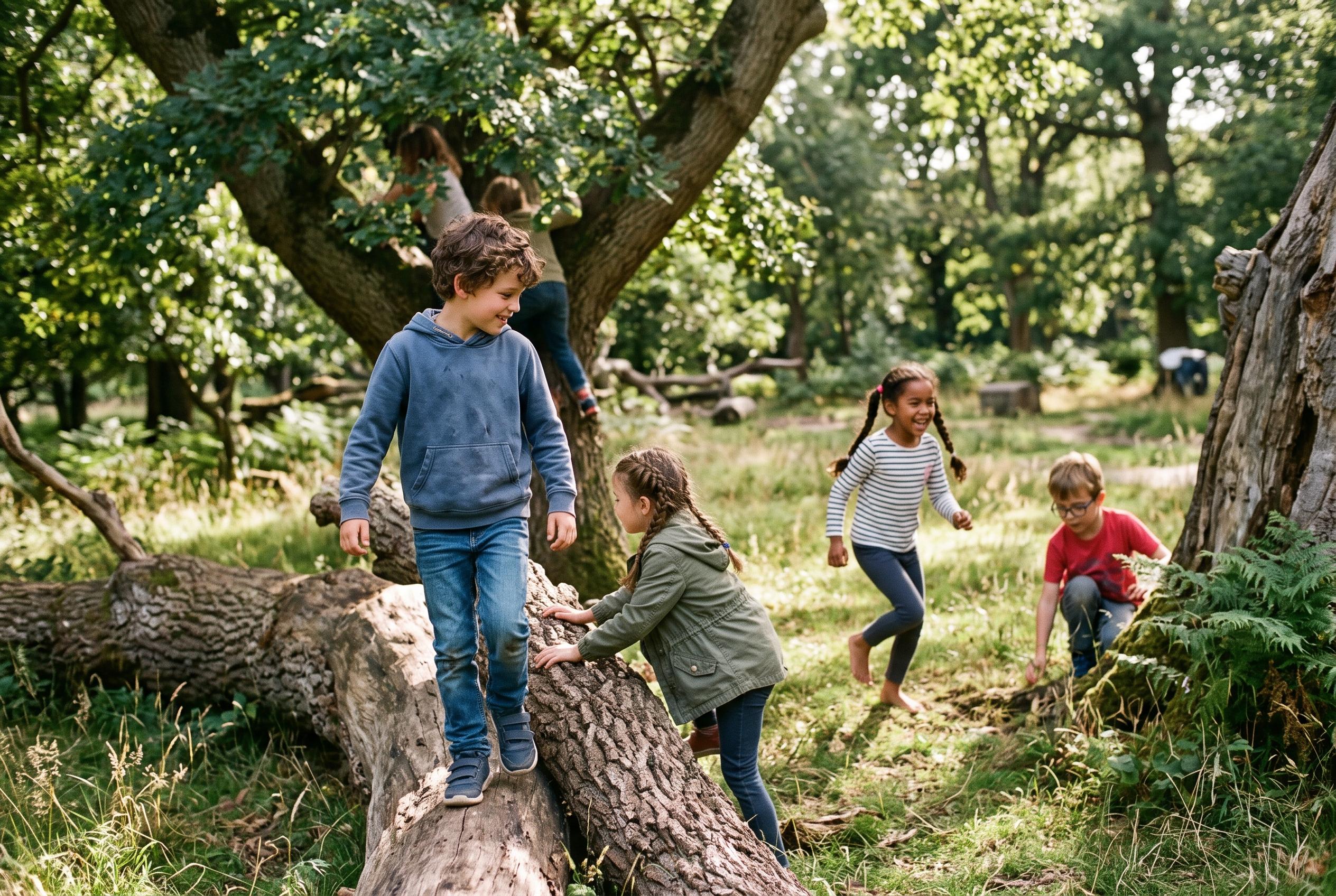

Charlotte Lunde and recent research highlight the importance of free, outdoor play in nurturing resilience and emotional well-being among children, amid growing concerns over mental health and reduced independence.
Charlotte Lunde, a doctor, author and former journalist, says children are losing something vital: the chance to play freely, without constant adult direction or a screen in front of them. In a recent Aftenposten piece, she argued that play needs far greater status if societies want to tackle the growing burden of mental health problems among children and teenagers. Her point is simple but urgent: childhood should contain more unstructured, self-directed play.
The concern is echoed in a growing body of research. National Geographic reported that free outdoor play helps children learn to take risks, negotiate conflict and build resilience, all of which support brain development and emotional growth. Other coverage has linked the decline in independent play with heavier screen use and reduced confidence in children’s social lives, suggesting that less freedom may be contributing to poorer wellbeing.
Scientific studies point in the same direction. Research highlighted by ScienceDaily found that fewer opportunities for independent play, alongside more adult supervision and structured activities, may be associated with rising anxiety and depression in young people. A study in Child Psychiatry & Human Development also found that adventurous play was linked with fewer internalising problems and more positive mood, even during stressful periods such as the Covid-19 lockdown.
Findings published in The Lancet have added to that picture, showing that adventurous play and lower screen time were associated with better mental health in preschool children. Taken together, the evidence suggests that allowing children more autonomy is not a nostalgic indulgence but a practical step that may help protect their mental health and strengthen their ability to cope with uncertainty.
Disclaimer: This content is for informational purposes only and is not intended to be a substitute for professional medical judgment, advice, diagnosis, or treatment.



