

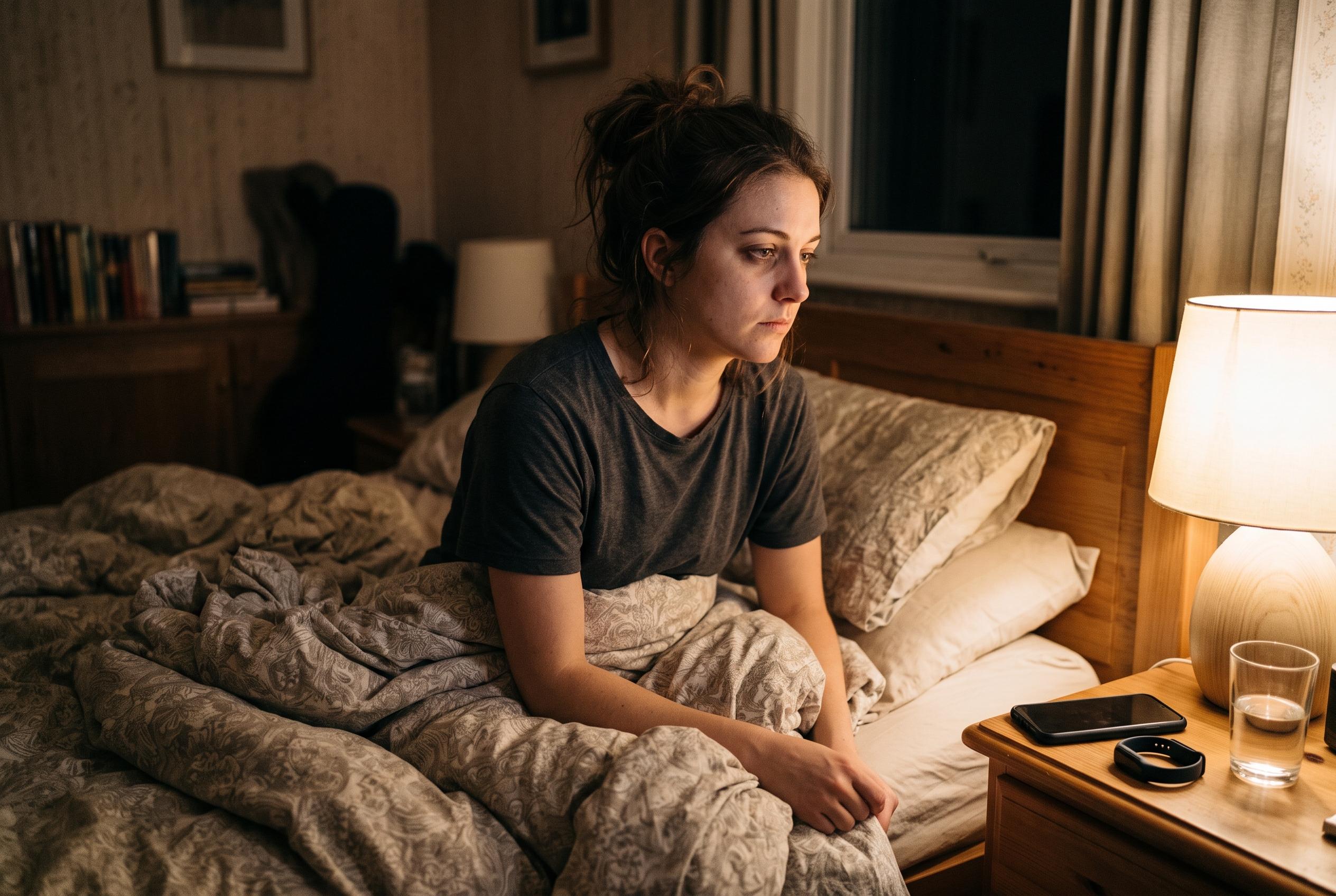

Researchers warn that the drive to optimise sleep with gadgets, supplements and online hacks can fuel anxiety and make rest harder to achieve.
Sleep has become the latest thing to optimise, with a growing market for gadgets, routines and supplements promising a better night’s rest. But researchers say the push to perfect sleep can become counterproductive, turning bedtime into another performance target and leaving people more alert, not less. At Macquarie University in Australia, clinical psychologist and sleep researcher Amelia Scott argues that the problem is not a lack of effort but too much of it. “Sleep tends to shy away from effort,” Scott says. “Sleep is something that we have to let happen rather than make happen.”
The concern is that so-called sleepmaxxing, a term used for the drive to maximise rest through everything from sleep trackers to specialist bedding, may be fuelling anxiety in people who are already struggling to nod off. Macquarie University’s work suggests that sleep data can shape how people feel about the night that has just passed and the day ahead, even when the underlying sleep has not changed. In one study discussed by Scott, only the feedback was altered, not the participants’ actual sleep, yet the digital score still influenced how they interpreted their rest.
That finding fits with a wider body of commentary on the trend. Articles examining sleepmaxxing have divided the practices into approaches that are broadly supported by evidence, such as keeping a regular sleep schedule and creating a calm, dark bedroom, and those that are either unproven or likely to backfire. Excessive tracking, mouth taping and similar internet-driven hacks can create more pressure, not less, and in some cases may contribute to orthosomnia, a term used for sleep anxiety linked to obsessive monitoring. Sleep researchers say the danger is that people start treating bedtime like a test they must pass.
Scott says the commercial side of the trend is especially troubling because it promises control over something the body largely regulates on its own. She warns that the idea of a perfect sleeper can become a myth sold to people who are already vulnerable to feeling they are not doing enough. The same caution applies to supplements that have gained popularity online, including magnesium and tart cherry juice. According to Scott, existing clinical trials have generally not shown clear benefits for magnesium compared with placebo, which means the marketing often runs ahead of the evidence.
The practical advice from researchers is less dramatic than the wellness industry’s sales pitch. Instead of chasing a target number or trying to engineer sleep with ever more devices, they suggest focusing on regularity and sleep efficiency: keeping a consistent time to go to bed and wake up, and avoiding long stretches lying awake under the covers. Sleep, Scott says, is self-regulating once people stop trying to control it so tightly. In other words, the best way to improve it may be to back off.
Disclaimer: This content is for informational purposes only and is not intended to be a substitute for professional medical judgment, advice, diagnosis, or treatment.



