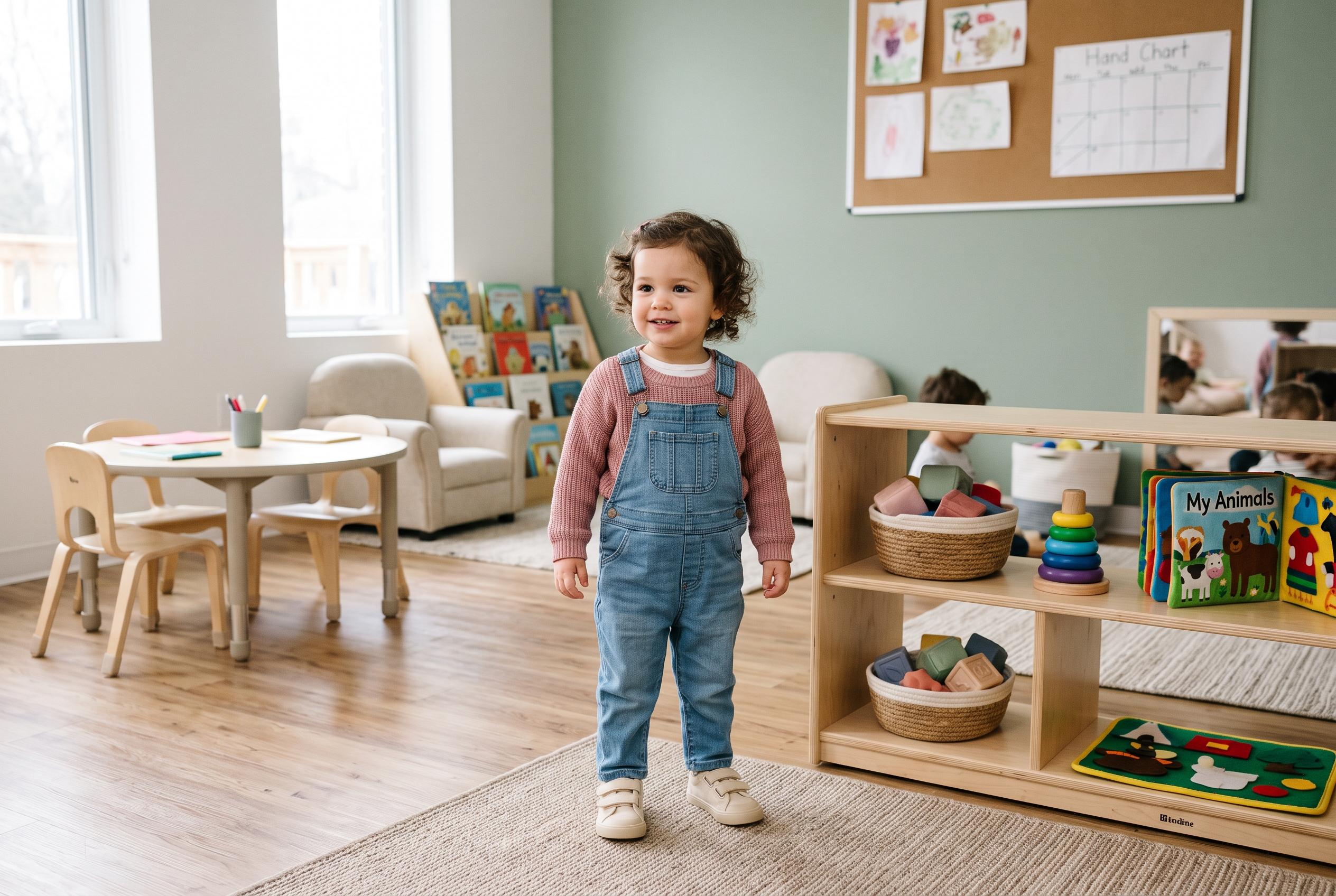

Psychologist Nicole Strüber highlights the importance of individual readiness in early childcare decisions, emphasising biological and behavioural cues over age-based rules to support children’s well-being in group environments.
The question of when a child is ready for nursery is not only about logistics or parental guilt. According to stern, psychologist Nicole Strüber argues that children differ markedly in how they react to separation, stimulation and stress, and that those differences matter when deciding whether early group care is a good fit. Her view adds a more individual approach to a debate that is often framed as a simple yes-or-no choice about nursery attendance.
The central point is that some children are more vulnerable than others to strain in a busy care setting. Stern says Strüber links that sensitivity to genetics and stress-related biology, suggesting that a child who is especially reactive may struggle more with long days in a nursery environment than a calmer or more adaptable peer. The implication is not that nursery is harmful in itself, but that temperament and stress tolerance should influence the decision.
That idea sits alongside more practical guidance from health-focused publications. Apotheken Umschau and other parent advice sites say children should stay home from daycare when they have symptoms such as fever, a severe cough, vomiting or diarrhoea, both to recover properly and to reduce the risk of infecting others. In that sense, the question is not only whether a child belongs in nursery in the long term, but also whether they are well enough on any given day to cope with group care.
The broader lesson for parents is that early care works best when it matches the child, not a general rule. A child who becomes overwhelmed easily may need a slower transition, shorter days or a different care arrangement, while a child who thrives on contact and routine may settle well into nursery from an early age. The guidance reflected in these reports points to close observation, flexibility and open communication between parents and carers rather than rigid expectations about what is ideal for every family.
For Strüber’s argument, the key is that child development is shaped by a combination of biology and environment. That does not mean parents can predict everything, but it does suggest they should watch for signs of chronic distress, repeated difficulty separating or a pattern of illness and exhaustion. Where nursery is concerned, the right answer may be less about age than about the child’s resilience, health and ability to manage the demands of communal care.
Disclaimer: This content is for informational purposes only and is not intended to be a substitute for professional medical judgment, advice, diagnosis, or treatment.