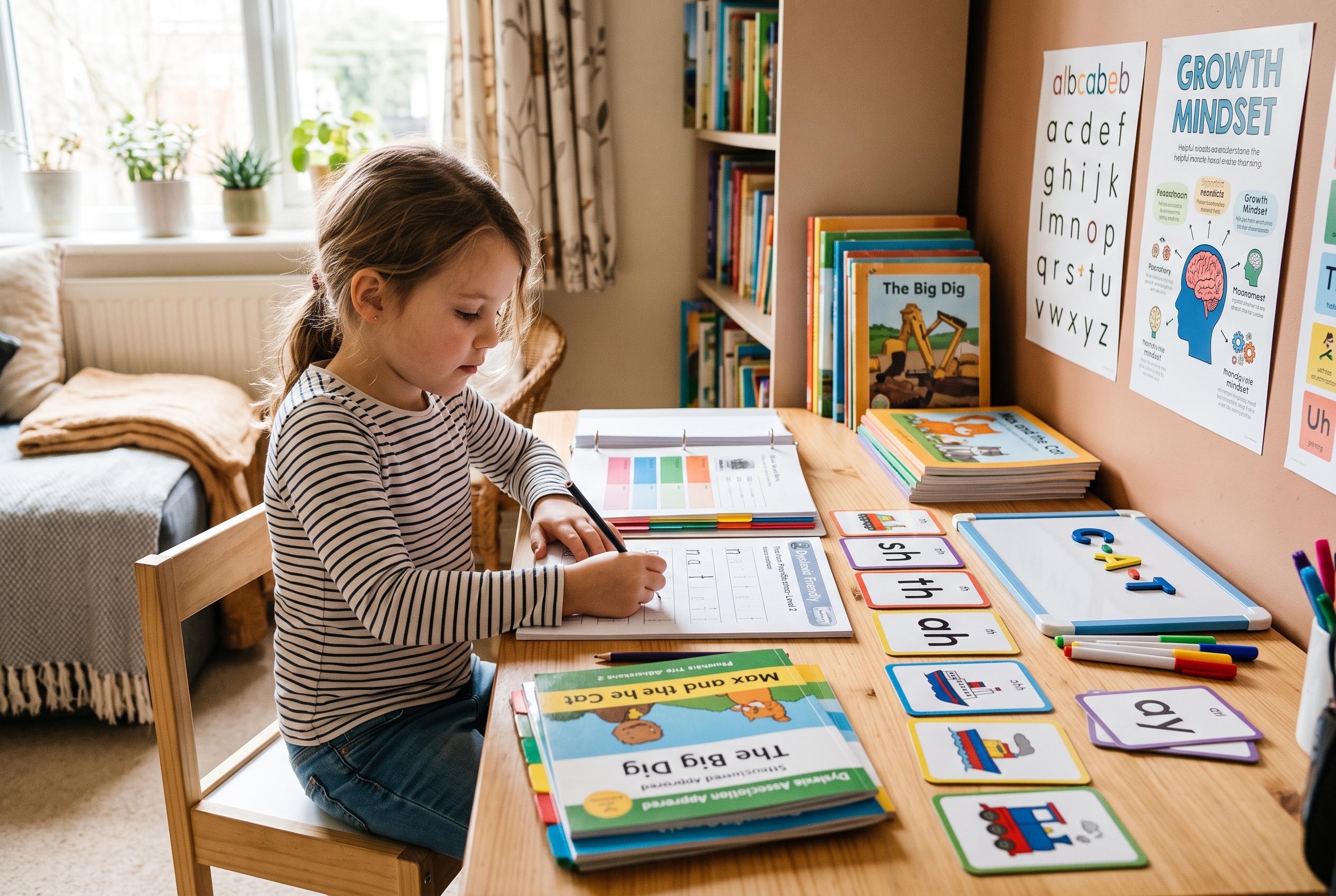

Children with dyslexia often face reading challenges despite normal intelligence. Experts emphasise early diagnosis and customised teaching methods to help them succeed in mainstream schools, highlighting that support, not medication, is key.
Children with dyslexia can have a hard time in class, but the condition is not a sign of low intelligence or poor upbringing. According to the Mayo Clinic and the US National Institute of Child Health and Human Development, dyslexia is a learning disorder that affects reading because the brain has difficulty matching sounds with letters and words. The child may understand ideas well, solve problems orally and show creativity, yet struggle when asked to read aloud or write under pressure.
That gap can be frustrating for families and teachers, especially when a pupil is wrongly labelled lazy or inattentive. The Mayo Clinic says dyslexia is linked to differences in the parts of the brain that process language, and that it is not caused by problems with hearing, vision or intelligence. Cleveland Clinic adds that many children are not diagnosed early, which can leave them struggling for years before they get the right support.
Specialists say most children with dyslexia can do well at school if they receive tutoring, targeted teaching or a specialised education plan. Early assessment tends to produce the best results, according to the National Institute of Child Health and Human Development, while emotional support also matters. Even when the diagnosis comes later in life, help can still make a difference.
In practice, that means schools often need to adapt. A child with dyslexia may need more time for written tasks, an oral answer instead of a timed reading test, and a teaching method that uses sight, sound and touch together. The approach described by aif.ru, which includes tracing letters, writing them in the air or on sand, and reading with larger type and wider spacing, reflects the wider medical view that dyslexia is managed through support and adjustment, not medicine.
Disclaimer: This content is for informational purposes only and is not intended to be a substitute for professional medical judgment, advice, diagnosis, or treatment.